People sleeping in a hot bedroom
Cooling needs to work with an outdoor exhaust route, while appliance noise, illuminated controls and overnight operation matter in a room that remains occupied.


Choose a portable air conditioner for an occupied upstairs room only if you can vent its exhaust outdoors through a suitable window or wall opening. Match the exact model’s room-size guidance to your room, then consider operating noise, overnight controls and electricity use alongside cooling capacity. If you only need air moving across you, a fan may meet that need without providing the same room-air cooling.
Cooling needs to work with an outdoor exhaust route, while appliance noise, illuminated controls and overnight operation matter in a room that remains occupied.
Daytime cooling needs to suit the room’s size and heat exposure. Controls that reduce repeated adjustments can also matter during work.
The deciding question is whether their sash, sliding, casement or other window can accommodate the exhaust hose and a compatible seal or adaptor.
Start with a workable exhaust route, then check the exact model’s room coverage and the conditions under which you will use it. A capacity figure alone cannot resolve a window-fit or overnight-noise problem.
| Concern | What to check | Who this matters to |
|---|---|---|
| Exhaust and window fit | Check the supplied hose and adaptor against your window type and dimensions, including how the opening will be sealed. | If my upstairs window cannot take the hose and kit, the unit cannot expel heat as intended. Around 33% of consumers put a workable exhaust setup first. |
| Overnight noise | Check whether the stated figure is sound pressure or sound power, and which mode it describes; look at sleep, timer and display controls. | When I sleep in the room, cooling is less useful if the unit or its controls disturb me. For around 27% of consumers, overnight operation is the primary concern. |
| Room coverage | Compare the exact model’s stated room area or volume with your measurements, allowing for strong sun or other sources of heat. | My upstairs room gets particularly warm, so I need a room-size claim that applies to the space I want to cool. Around 20% of consumers prioritise capacity for the room. |
| Electricity use | Consider expected operating hours, the model’s stated input power and whether a timer or thermostat suits your use. | If I need relief only occasionally, I want to decide when room-air cooling is worth switching on instead of using a fan. Limiting AC use comes first for around 20% of consumers. |
A fan moves air across you; it does not perform the same room-air cooling as a vented portable air conditioner.
Decide whether personal cooling is enough. If you need active room cooling, check that an exhaust route outdoors is practical before choosing an AC.
The heat removed from the room has to leave through the exhaust hose. A supplied window kit may not suit your particular opening.
Measure the opening and check the exact kit, hose arrangement and compatible sealing options before ordering.
A different window seal or adaptor may be needed if the supplied fitting does not suit your window.
Declared noise figures may describe different measurements or operating modes. Fan behaviour and display light can matter when the room is occupied overnight.
Compare like-for-like noise measurements where possible, check night controls and consider independent testing. Which? assesses noise as part of its portable-air-conditioner testing.
Active room cooling and personal cooling serve different purposes. Electricity use becomes more important when an appliance runs for long periods.
Limit daytime heat gain with curtains or blinds, ventilate when outdoor air is cooler and it is safe to do so, and use a timer when scheduled AC operation suits the room.
Meaco’s Cirro range provides a reference point for bedroom-oriented features and stated room coverage.
The Pinguino PACEX93EXTREME is a reference for buyers comparing detailed specifications for an exact model.
The P12C provides an example of a 12,000 BTU model with stated room coverage and supplied venting parts.
These portable air conditioners are options to examine for an upstairs room with a workable outdoor exhaust route. Check the exact model’s cooling rating, room suitability, window fitting and occupied-room noise before choosing between them.
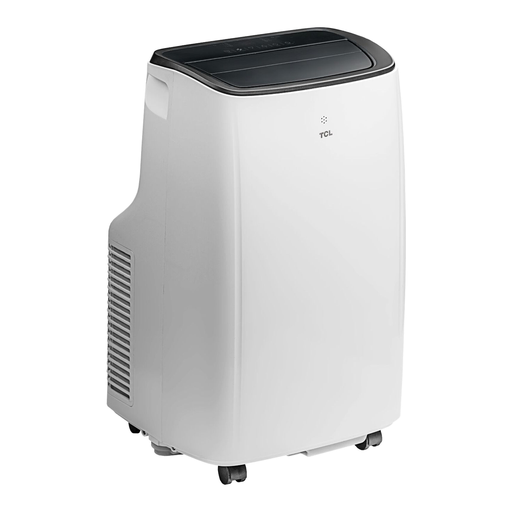 No image available
Consider its sleep mode, 24-hour timer and remote or app control if you expect to use cooling in an occupied room.
The product title states 9,000 BTU, while another description states 7,000 BTU. Confirm the cooling rating for this exact model before matching it to your room.
An exhaust hose and window kit are described, but the kit descriptions differ. Check which fitting is supplied, whether it suits your window and what noise to expect overnight.
 No image available
Its listed sleep mode, 24-hour timer and remote or app control are relevant if you want to schedule cooling upstairs.
The title states 7,000 BTU, but another description states 9,000 BTU. Confirm the exact model’s rating and room coverage rather than relying on either figure alone.
An exhaust hose and window kit are described, although the kit type is described inconsistently. Check the fitting and overnight noise against your setup.
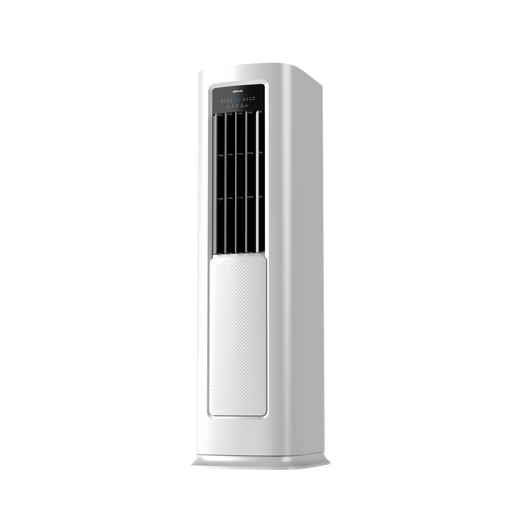 No image available
Consider this model if you want a stated cooling capacity and supplied venting parts, provided its exact room guidance and window fitting suit your upstairs space.
The listing describes an exhaust hose, window installation kit, four fan speeds, automatic air swing, remote control and a 24-hour timer.
Check the kit’s dimensions and operating noise before choosing it for an occupied bedroom or office; a 12,000 BTU rating alone does not establish either fit.
 No image available
Its sleep mode and timer may suit scheduled use in an upstairs room if the model’s room coverage and noise meet your needs.
The listing describes 6,000 BTU cooling, four fan speeds, a remote control, an exhaust hose and a window adaptor.
Confirm that the adaptor fits your window. The listing identifies its R290 refrigerant as flammable and specifies a 220–240 V / 50 Hz outlet; follow the model’s safety instructions.
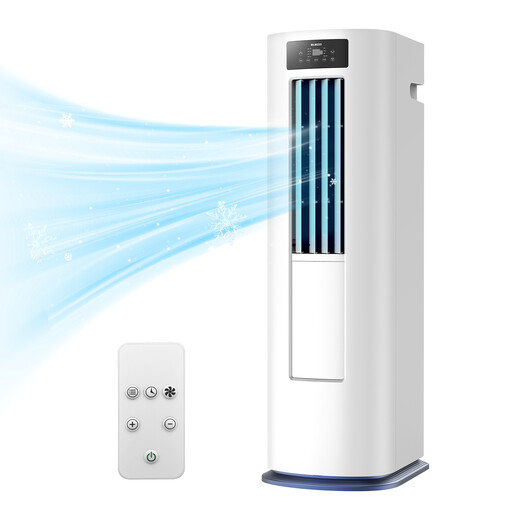 No image available
Consider its timed cooling for an upstairs room only after confirming the exact model’s room coverage and outdoor venting arrangement.
The title states 6,000 BTU, while the description lists cooling, fan and dehumidifying functions, a remote control and a 24-hour timer.
Check the hose contents, window-kit fit and operating noise. The listing identifies R290 refrigerant as flammable and says the exhaust hose must vent outdoors; follow its safety instructions.
No: for normal room cooling, the heat removed from the room needs an outdoor exhaust route. electriQ’s P12C guidance explicitly calls for venting portable AC outdoors; check whether your window or another suitable opening can accommodate the hose before ordering.
Do not assume it will. The electriQ P12C’s supplied kit is intended for sliding or sash windows, and Meaco notes that standard fittings do not suit every window style. Identify and measure your opening, then check the kit and any compatible seal for the exact model.
Check the instructions for the exact air conditioner rather than assuming an extension lead is acceptable. The electriQ P12C manual specifies a 220–240 V / 50 Hz earthed outlet and says not to connect that model through an extension cord; it advises using a qualified electrician if a suitable outlet needs installing.
Use a fan if moving air across you meets your need; choose a vented portable AC when you need to lower the room-air temperature. Energy Saving Trust’s guidance treats fans and portable AC as different cooling approaches, so the choice depends on whether personal relief or active room cooling matters in your room.