What matters when choosing?
Start with a safe, workable exhaust route. Then weigh overnight noise, room fit and electricity use according to what would most affect your sleep.
| Concern |
What to check |
Who this matters to |
| Overnight noise |
Find a sound figure for the exact model and identify its measurement and operating mode. Check whether sleep and timer controls suit your routine. |
If fan and compressor noise might wake me, I want to know how the unit is described in the mode I would use at night; around 29% of consumers put overnight disturbance first. |
| Venting and placement |
Measure the hose route and opening; check the supplied seal or bracket and the clearance required around air intakes. |
With an awkward bedroom window, I need somewhere to place the unit without blocking airflow or stretching the hose; roughly 29% of consumers prioritise exhaust fit. |
| Room coverage and airflow |
Compare the model’s stated room area or volume with your room, and check whether airflow can be directed away from the bed. |
If my room is warm or the bed sits in the airflow, I need cooling suited to the space without an uncomfortable direct draught; around 24% of consumers make coverage and airflow their primary concern. |
| Electricity use and upkeep |
Use rated input power, intended running hours and your own tariff to assess electricity use. Read the exact model’s drainage and filter instructions. |
When I expect to run the unit on many nights, I want to plan for electricity use and routine maintenance; roughly 18% of consumers put these ongoing demands first. |
Joybuy portable air conditioners
These portable cooling models list window-fitting equipment and different bedtime controls or cooling capacities. Check the exact unit’s exhaust fit, room guidance and operating noise before choosing it for a bedroom.
 No image available
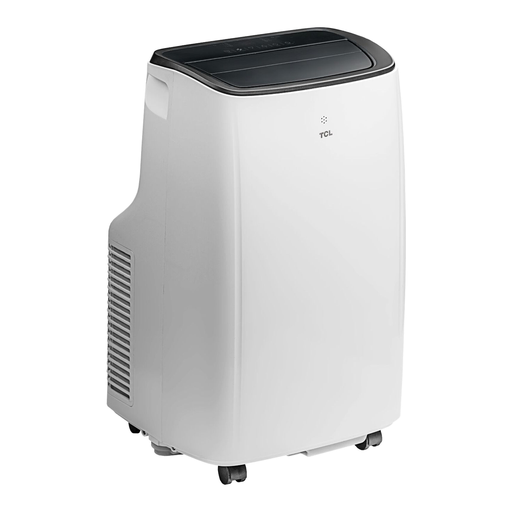
TCL P09F5CSW0K 9,000 BTU portable air conditioner
The 24-hour timer is useful to consider if you want to schedule cooling around bedtime; confirm the unit’s operating sound before relying on it overnight.
The name lists cooling, fan and dehumidifier functions, Wi-Fi/app control and a zipper window kit. Check that the kit fits your opening and that the model suits your room.
Joybuy
 No image available
TCL P07F4CSW1K 7,000 BTU portable air conditioner
Sleep mode and a 24-hour timer offer bedtime control, but neither tells you how loud the unit will be in your room.
The name lists cooling, fan and dehumidifier modes, Wi-Fi/app control and a zipper window kit. Confirm room suitability and window fit for this 7,000 BTU variant rather than applying specifications from the 9,000 BTU model.
Joybuy
 No image available
ELECCI 1.759 kW 4-in-1 mobile air conditioner
Sleep mode and a 24-hour timer make this a model to assess for scheduled bedroom use. Check its sound figure, room suitability and the fit of the included window kit before choosing it.
The name also lists cooling, dehumidifier and fan functions, a washable filter and R290 refrigerant. R290 is flammable; follow the model’s safety and placement instructions and keep its air openings unobstructed.
Joybuy
 No image available
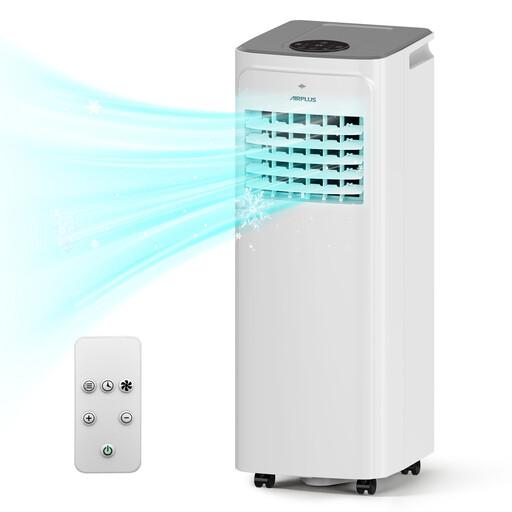
ELECCI 9,000 BTU 3-in-1 mobile air conditioner
The stated coverage of up to 30 m² gives you a starting point for checking bedroom fit, while the 24-hour timer supports scheduled use. If a sleep-specific setting matters to you, confirm it for this model.
The name lists cooling, dehumidifier and fan functions, a window kit and R290 refrigerant. Check the kit against your opening and follow the model’s refrigerant safety instructions.
Joybuy
 No image available
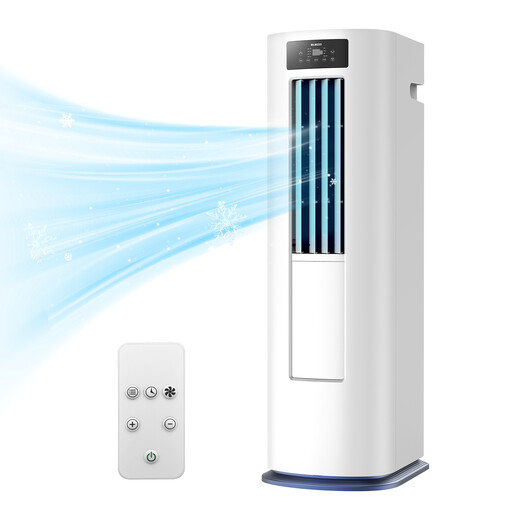
ELECCI 6,000 BTU 3-in-1 mobile air conditioner
The 24-hour timer may suit scheduled operation. For use near a bed, check the unit’s sound, airflow direction and room suitability rather than assuming its cooling-capacity figure settles those questions.
The name lists cooling, dehumidifier and fan functions, a window-mount kit and R290 refrigerant. Confirm the kit and hose arrangement for your opening and follow the model’s safety instructions.
Joybuy
Common questions
Does a portable air conditioner need an opening to the outside?
The portable air conditioners discussed here exhaust heat through a hose to a compatible outside opening. Check the hose route and the fitting for your particular window or door: De'Longhi lists a 1,250 mm hose and window bracket for PACEM93K.1SILENT, while EcoAir lists a 1.5 m hose and universal window cloth for Apollo 12K.
Will sleep mode make a portable air conditioner silent?
No: a sleep setting does not establish that the fan and compressor will be inaudible. Check the sound figure and operating mode for the exact model; Meaco states 45 dB for Cirro’s Super Quiet mode, while De'Longhi reports 47–50 dB sound pressure for PACEM93K.1SILENT under its stated specifications.
How can I assess electricity use for an overnight run?
Multiply the model’s rated input in kilowatts by the hours you intend to use it to estimate energy use in kilowatt-hours, then apply your own electricity unit rate. De'Longhi lists 1,000 W input for PACEM93K.1SILENT; eight hours at that continuous rated input would use 8 kWh, although actual use can change as the unit cycles.
Does a portable air conditioner always need a drain hose?
Drainage depends on the exact model and mode. Electrolux says a drain hose is unnecessary in ventilation, auto and cooling modes for specified portable models, but required in drying mode; consult your unit’s manual before using drying or heating functions.


