
24/7 Customer Support

Free returns

Same-day & Next-day Delivery

Quality Guaranteed

Unlock Your Welcome Offers: FREE Delivery | Up to 80% OFF | Free 30-day JoyPlus trial
Download the APP
A portable Bluetooth speaker can make music more convenient at home, in the garden or on holiday. However, product listings often focus on dramatic bass, colourful lighting or headline battery figures while leaving practical limitations less visible.
Three common buying traps are worth checking before you order:
The right choice depends less on promotional language and more on where you will use the speaker, how much space you have and which features you will actually use.
For a waterproof Bluetooth speaker, look for a clearly stated IP rating rather than relying on phrases such as “splash-proof” or “outdoor-ready”.
An IP rating does not make a speaker suitable for every situation. Pool chemicals, salt water, high-pressure spray and repeated drops can still cause damage. For a waterproof outdoor speaker, check the exact limitations in the product information.
A portable speaker with strong bass usually needs either a larger enclosure, a dedicated woofer or passive radiators to move more air. A mini Bluetooth speaker can sound clear and useful for personal listening, but its small size limits low-frequency output and maximum volume.
For larger rooms or garden gatherings, look for:
For example, the LG XBOOM RNC5 uses a 2-way, 3-speaker system with an 8-inch woofer and two 2-inch tweeters. Its 13.8 kg weight and large dimensions make it more suitable for planned parties than everyday backpack travel.
A rechargeable Bluetooth speaker should state its charging method and estimated playtime. Treat “up to” figures as a guide rather than a guarantee. Volume, lighting, temperature and connected devices can affect running time.
Also check whether you need:
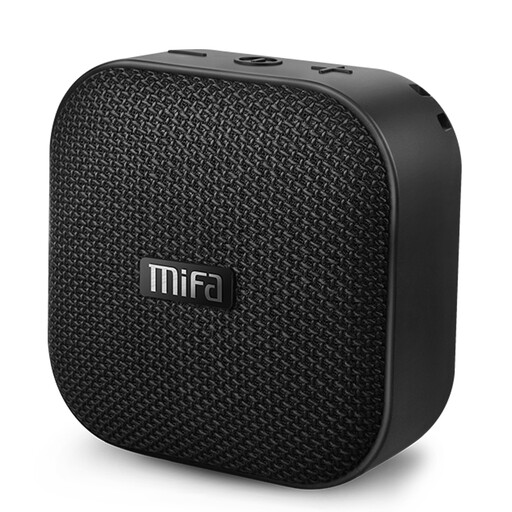
Why This Fits Their Persona: A practical option for listeners who want a compact wireless speaker for a bedroom, kitchen, picnic or occasional outdoor use without carrying a large cabinet.
The listing provides a compact size, 175 g weight, waterproof design and a stated automatic shut-off after inactivity, rather than relying only on large sound claims.
Bluetooth streaming, hands-free calling, AUX input and Micro-SD support up to 32GB in a small design.
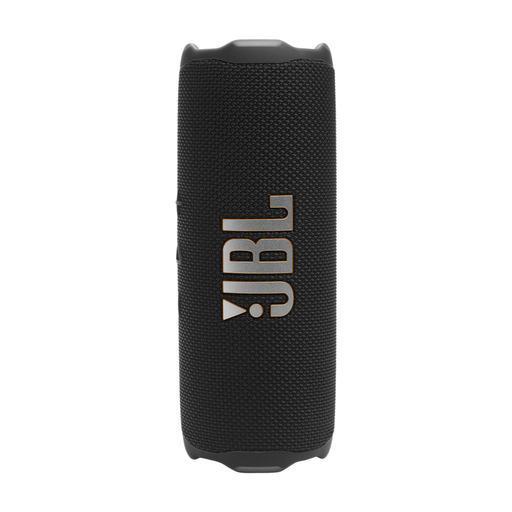
Why This Fits Their Persona: Suitable for UK users who want a compact speaker for home listening, beach trips, walks and garden use, with stronger protection than a basic indoor model.
Its IP68 rating, dust protection and stated drop resistance provide clearer durability information than an unqualified “rugged” description.
Bluetooth 5.4, Auracast multi-speaker connectivity, included carabiner and up to 16 hours with the specified playtime feature.
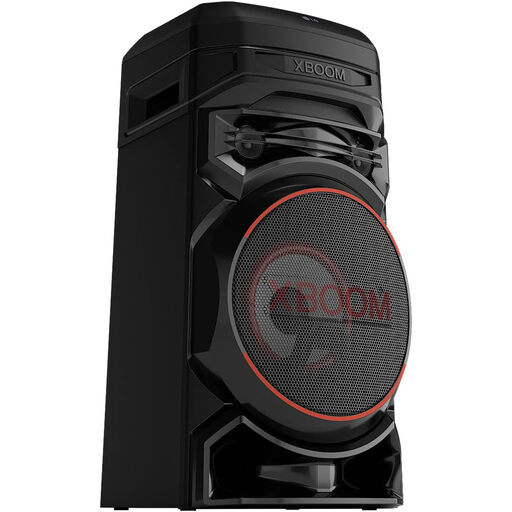
Why This Fits Their Persona: Designed for hosts who prioritise high output, karaoke and party functions in a living room, conservatory or garden gathering.
The specification lists the woofer, tweeters, inputs and 13.8 kg weight, making its large format clear before purchase.
RGB lighting, microphone and guitar inputs, karaoke controls, multi-Bluetooth and wireless linking for two compatible speakers.

Why This Fits Their Persona: A desktop-focused choice for music streaming, gaming, laptop use and compact home office set-ups rather than poolside or travel listening.
The listing clearly identifies separate speakers, 66W RMS output, USB-C and AUX inputs, helping buyers avoid expecting portable outdoor performance from a desktop system.
Bluetooth 5.3 with LDAC support, Hi-Res Audio specification, 66W RMS output and angled aluminium stands.
We have compiled a complete, real-time list of products that fully satisfy these strict selection criteria and UK safety regulations.
Charge the speaker in a dry area, switch it on and activate pairing mode. Open Bluetooth settings on your phone, tablet, laptop or gaming device and select the speaker name. Keep the first pairing within a few metres, then test playback before moving farther away. If connection problems occur, remove the old pairing and reconnect.
Battery lifespan varies with charging habits, temperature, volume and storage. Avoid leaving the speaker in direct sunlight or a freezing car, and use the recommended charging cable or adapter. For long-term storage, follow the manufacturer’s guidance rather than leaving the battery completely empty.
They generally use modest energy compared with larger home audio systems, but running costs depend on battery capacity, charging frequency and electricity prices. Features such as high volume, RGB lighting and powerbank charging can increase battery consumption. Turn off lighting and disconnect unused devices when they are not needed.