
24/7 Customer Support

Free returns

Same-day & Next-day Delivery

Quality Guaranteed

Unlock Your Welcome Offers: FREE Delivery | Up to 80% OFF | Free 30-day JoyPlus trial
Download the APP
Portable Bluetooth speakers can make music easier to enjoy around the house, in the garden, on holiday or at a gathering. However, product pages often highlight headline features without explaining what they mean in everyday UK use. A compact speaker may be convenient but lack volume, while a large portable party speaker may be difficult to carry and expensive to recharge.
This guide focuses on the practical details that help you compare portable Bluetooth speakers without paying for features you are unlikely to use.
A high wattage figure does not automatically mean clearer music. A speaker’s driver configuration, cabinet design and equaliser controls also influence how it sounds. Small speakers can produce noticeable bass for their size, but they cannot generally move as much air as a larger model with a dedicated woofer.
For casual listening, a mini Bluetooth speaker may be sufficient. For a garden gathering, look for a larger woofer, separate tweeters or passive radiators and controls that allow the sound profile to be adjusted.
“Water-resistant” is not the same as a certified ingress-protection rating. Check the exact code:
Ports must be closed before exposure and a speaker should never be charged while wet. Water resistance can also reduce with wear, impact or damage. For beaches, campsites and muddy walks, a dustproof Bluetooth speaker with an appropriate IP rating is more suitable than a model described only as splash-resistant.
Battery estimates are normally affected by volume, lighting, Bluetooth use and extra functions. An RGB Bluetooth speaker may consume more power when its lights are active, while maximum bass settings can also reduce playing time.
Check whether the stated figure is a standard playtime or an extended mode. Also confirm whether the speaker uses USB-C, includes a cable or requires a separate power adaptor.
A wireless portable speaker should fit the way you intend to carry it. A loop, handle or carabiner can be useful for attaching a speaker to a rucksack, but a heavy party model may be better suited to moving between rooms than taking on public transport.
Consider:
For cycling, travel and desk use, a rechargeable wireless speaker weighing a few hundred grams is more practical than a multi-kilogram unit.
Bluetooth 5.3 and 5.4 models may offer efficient, stable connections, but compatibility also depends on the phone, tablet or laptop. Check the stated range and whether the speaker supports an app, multi-speaker pairing or low-latency gaming modes.
Additional inputs can be valuable. AUX, USB, microSD, microphone and guitar connections are uncommon on smaller models but useful for karaoke, presentations or parties. A built-in power bank can also charge a phone, although doing so reduces the speaker’s remaining battery capacity.
A powerful bass speaker is suitable for dance music and outdoor listening, but bass-heavy tuning may not suit spoken word, classical music or quiet evening use. Adjustable EQ gives you more control.
A compact unit is generally easier to place close to the listener. A large speaker with an 8-inch woofer is more appropriate when you need room-filling output, but it requires more storage space and can be harder to move.
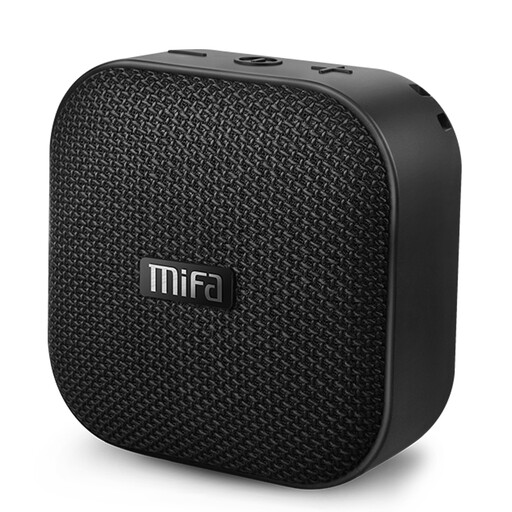
Why This Fits Their Persona: Its compact 175g design suits first-time buyers, commuting, bedrooms, kitchens and occasional outdoor listening without the bulk of a party speaker.
The listed features include waterproof construction, auto-reconnect and several playback options, rather than relying only on a volume claim.
Bluetooth, AUX and microSD support; built-in microphone for hands-free calls.
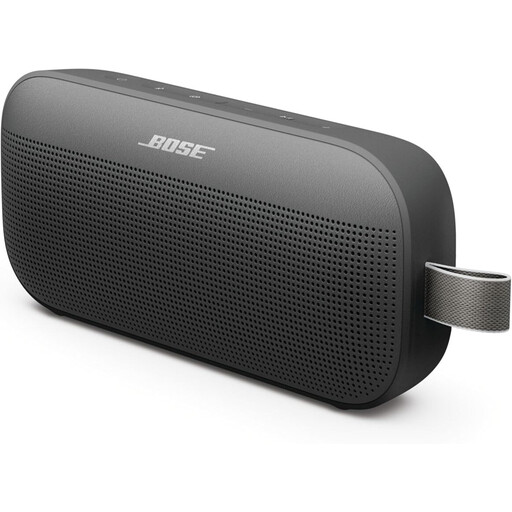
Why This Fits Their Persona: A packable option for listeners who want app-based EQ, flexible positioning and a durable speaker for home, travel or walks.
Its IP67 rating specifies dust and water protection, while the instructions explain charging and submersion limits.
Up to 12 hours of listed battery life; orientation-sensing audio and stereo or party pairing.
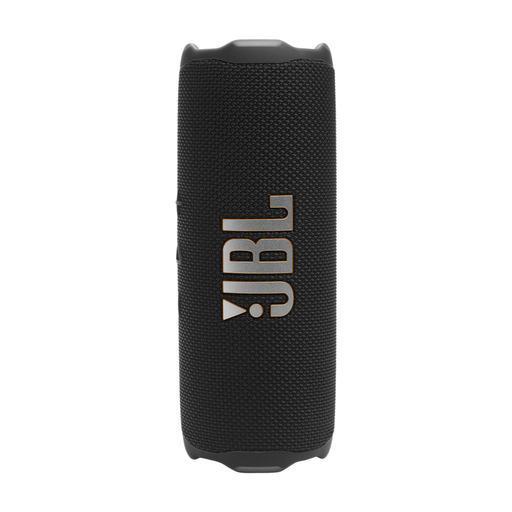
Why This Fits Their Persona: The compact form, included carabiner and IP68 rating suit park visits, beach days, camping and everyday UK outdoor use.
The IP68 specification covers both water and dust protection, with stated limits and closed-port charging guidance.
14 hours’ listed playtime, extending up to 16 hours with Playtime Boost; Bluetooth 5.4 and Auracast connectivity.
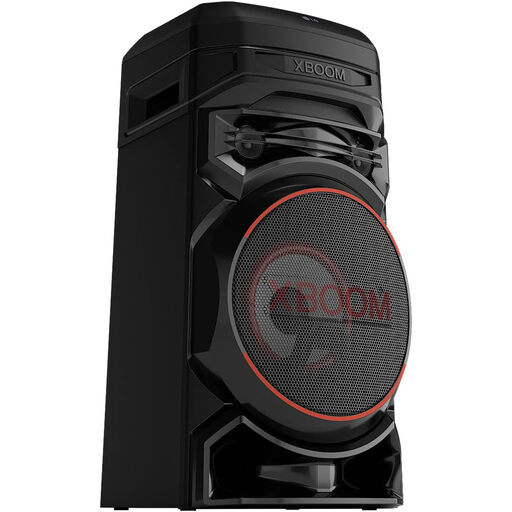
Why This Fits Their Persona: This 13.8kg unit is designed for larger rooms, garden events, karaoke sessions and users who prioritise bass, inputs and party lighting over compact carrying.
The large enclosure and 8-inch woofer provide a clearer indication of its intended use than RGB lighting alone.
Microphone and guitar inputs; RGB lighting, karaoke controls and wireless party linking.
We have compiled a complete, real-time list of products that fully satisfy these strict selection criteria and UK safety regulations.
Switch on the speaker and select Bluetooth pairing mode. Open Bluetooth settings on your phone, choose the speaker’s listed name and confirm the connection. If it does not appear, disconnect it from another nearby device, move closer and restart pairing.
Battery capacity gradually declines with charging cycles, heat and storage conditions. Avoid leaving the speaker in a hot car, charge it in a dry environment and follow the manufacturer’s instructions. A model with a replaceable battery may offer a different long-term ownership proposition from one with a sealed battery.
They generally use modest amounts of electricity compared with larger home audio systems, but charging frequency depends on battery size, volume and lighting. To reduce running costs, disable unused RGB effects, avoid maximum volume for routine listening and use a USB power source or charger that matches the product requirements.