
24/7 全天候客户支持

免费退货

当日/次日达

品质保障

开启新人专享福利: 全场免邮 | 低至 2 折 | 免费试用 30 天 JoyPlus 会员
下载 Joybuy
A portable camping stove can make hot meals and drinks much easier on the trail, but the wrong model may add unnecessary weight, use incompatible fuel or become difficult to operate in wind. Product listings often highlight maximum wattage and boil times while leaving out practical details such as ignition type, canister compatibility and packed dimensions.
Before buying, look beyond the headline specification. These are the common purchasing traps to avoid.
A high wattage figure can suggest faster cooking, but maximum output is only one part of the experience. A stove also needs a controllable flame for simmering, melting snow gradually or cooking food without scorching it.
Check whether the product has an adjustable valve and whether the pot supports are wide and stable enough for your cookware. A narrow burner may suit a small mug but feel less secure with a larger pan.
Fuel compatibility varies between models. Some stoves connect to threaded isobutane canisters, while others support butane and propane formats through specific fittings or adapters. A camping gas stove may not connect directly to the canister already in your equipment box.
Look for clear information about thread type and fuel format. EN 417-compatible threaded cartridges are commonly used for compact outdoor stoves, but the stove and canister must still be compatible. Never force a connection or use an adapter that is not designed for the stated fuel.
A windproof camping stove can include a burner design, shield or pot support intended to reduce the effect of moving air. It will not eliminate the need for sensible positioning. Strong wind can increase fuel consumption, extend boiling time and make ignition less convenient.
A stove used on exposed hills, coastal paths or winter camps should be paired with a stable, non-flammable cooking area and suitable wind protection. Do not use a stove inside a tent, vehicle or other enclosed space.
For a day at a campsite, a slightly heavier unit may be acceptable. For a multi-day trek, the difference between a lightweight camping stove and a full cooking system becomes more noticeable.
Compare the complete carry weight, not only the burner. Include the pot, lid, support stand, ignition equipment, pouch and any adapter. A titanium camping stove can weigh very little, but it may not include cookware or integrated stability features.
Packed dimensions also matter. A model that folds into a pot or carry case can use less room than a similarly light stove with separate components.
A portable gas stove is convenient when compatible fuel is readily available for your route. Butane and propane mixtures can offer flexibility, while threaded isobutane systems are common in compact backpacking equipment. Always follow the product instructions for the permitted cartridge type.
Before each trip, inspect the valve, O-ring and connection points. Check for damage or gas leaks outdoors before lighting. Gas canisters are generally sold separately from the stoves listed below, so include fuel in your equipment budget.
Wattage provides an indication of heat output, but it does not guarantee a particular cooking time in every condition. Wind, air temperature, altitude, water temperature and pot design all affect performance.
For solo use, a small mug or 500–600 ml pot may be sufficient. For two or more people, choose a broader support platform and a cooking vessel with an appropriate capacity. If you regularly prepare full meals rather than only boiling water, prioritise flame adjustment and pot stability over the smallest possible weight.
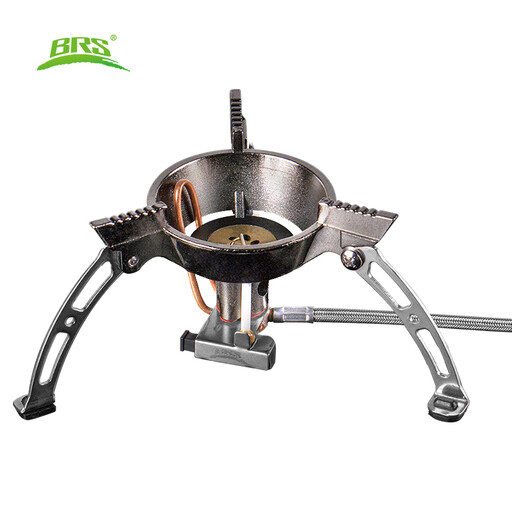
Why This Fits Their Persona: A practical option for first-time campers, picnickers and hikers who want a compact stove with ignition and included carrying accessories.
The listing specifies compatible fuel formats, a 5 kg support capacity and a wind-resistant design rather than focusing only on wattage. It also states that the gas canister is not included.
240 g weight, piezo ignition, adjustable output up to 3240 W, folding legs, carry bag and included adapters.
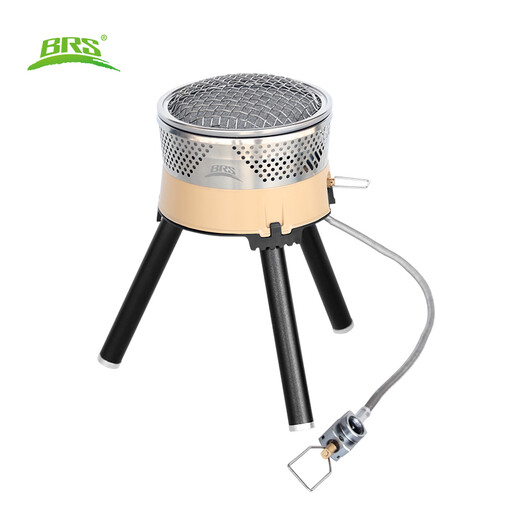
Why This Fits Their Persona: Suits campers and trekkers who want a durable metal construction, flexible fuel choice and a compact form for regular outdoor trips.
Its stated 0.425 kg weight and 105 × 85 mm storage size make packed dimensions clear. The product also identifies its external ignition requirement, so there is no hidden assumption about push-button lighting.
Stainless steel and aluminium alloy construction, 1900 W output and stated capacity to boil 1 litre of water in approximately 3 minutes under specified conditions.
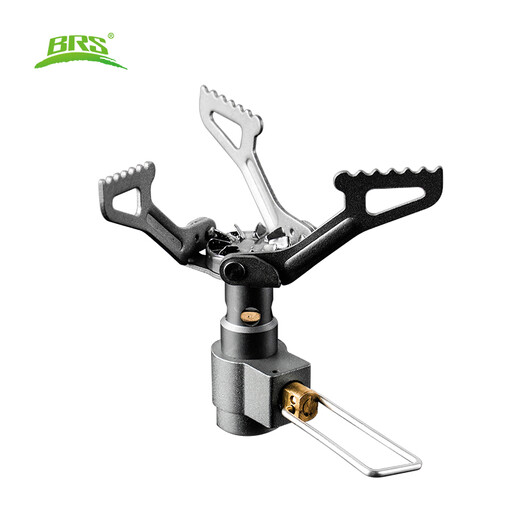
Why This Fits Their Persona: Designed for weight-conscious hikers, thru-hikers and climbers who already own suitable cookware and want a minimal burner.
The 26 g burner weight is stated separately from the fuel and cookware, helping buyers calculate their actual pack load. Foldable supports and a pouch also address storage.
Titanium construction, 1940 W output, foldable pot supports and stated 1-litre boil time of approximately 2 minutes 58 seconds.
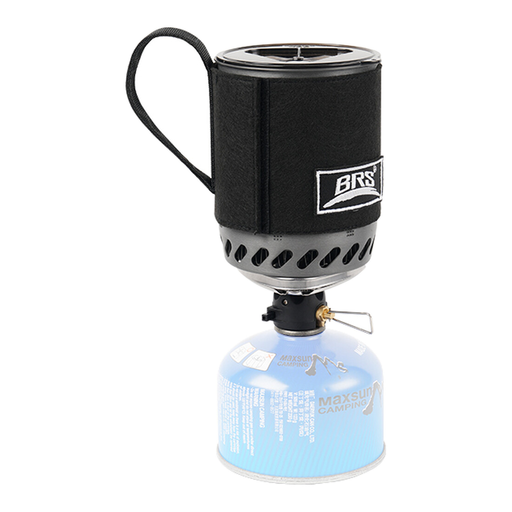
Why This Fits Their Persona: A useful match for solo travellers and backpackers who prefer one nestable kit rather than sourcing a burner, pot and lid separately.
The listed 0.36 kg weight includes the stated stove system components, while the 0.5-litre pot capacity sets realistic expectations for solo portions.
1500 W output, pressure-regulating valve, anodised aluminium pot, insulation cover, lid and carrying bag in a compact nestable format.
We have compiled a complete, real-time list of products that fully satisfy these strict selection criteria and UK safety regulations.
Use any gas stove only outdoors in a well-ventilated area. Before lighting:
For UK trips, also check local fire restrictions, campsite rules and guidance for the specific outdoor area. A stove should not be used as an indoor emergency cooker because combustion can create carbon monoxide and reduce available oxygen.
An ultralight camping stove with foldable supports is suitable when low weight is the priority and you already have a compatible pot. An integrated camping cooking system can be more convenient for solo travellers because the burner, pot and accessories nest together.
Lifespan depends on construction, frequency of use, cleaning, storage and exposure to moisture. Inspect burner ports, supports, valves and O-rings before every trip. Replace components if they show cracking, corrosion or signs of leakage, and follow the manufacturer’s maintenance instructions.
Not necessarily. A higher output may shorten cooking time, but fuel use is also affected by wind, pot design, ambient temperature and flame control. A windproof camping stove or heat-exchange pot may reduce wasted heat in exposed conditions, but actual fuel consumption will vary. Choose the stove that matches your cooking volume rather than selecting wattage alone.