
24/7 全天候客户支持

免费退货

当日/次日达

品质保障

开启新人专享福利: 全场免邮 | 低至 2 折 | 免费试用 30 天 JoyPlus 会员
下载 Joybuy
A compact stove can make a wet campsite, remote bothy stop or long hiking day much easier. However, choosing portable camping stoves by wattage alone can lead to wasted money, poor stability and fuel that does not match the burner.
The most useful buying decision comes from matching the stove to your route, cookware, weather exposure and cooking habits. The following guide explains the key specifications to check, common marketing pitfalls and suitable options for different types of UK outdoor users.
A high wattage figure can suggest fast cooking, but it does not tell the whole story. Wind protection, burner design, pot contact and heat transfer also affect how quickly water boils. A stove used on an exposed Scottish ridge may perform differently from one used in a sheltered campsite.
For a solo backpacker who mainly boils water, a lower-powered integrated cooking system may be more practical than a wide burner designed for larger pans.
A camping gas stove may accept a particular canister thread or fuel type only. Some models connect directly to threaded isobutane canisters, while others are compatible with butane, propane or EN 417-style cartridges. Adapters can increase flexibility, but they also add another connection to inspect.
Always confirm the fuel specification, thread type and whether the canister is included. Several compact cooking systems listed below require fuel to be purchased separately.
A 26g burner may look attractive for an ultralight kit, but it may not include a pot, windshield, igniter or stabilising base. Conversely, an integrated camping cooking system can weigh more while taking less room because the components nest together.
Check the packed dimensions, total kit weight and included accessories rather than comparing burner weights in isolation.
Before buying a lightweight camping stove, check whether it uses screw-thread gas canisters, butane cartridges or another fuel format. A model with an external ignition source may be simple and dependable, but you will need a lighter or fire starter. Piezo ignition is more convenient, although it should still be checked before leaving home.
For UK trips, carry fuel that matches the stove instructions and inspect the seal, valve and connection for damage. Never operate a gas stove inside a tent, vehicle or other enclosed area because combustion can create carbon monoxide and consume oxygen.
Power is usually shown in watts. Higher output can support faster boiling and larger cookware, but it may also use fuel more quickly if run continuously.
A windproof camping stove with a stable flame and suitable pot support can be more useful than a higher-output burner with little protection from gusts.
For backpacking, every gram matters, but stability should not be sacrificed. Examine the folded size, support-leg design and stated load capacity. Titanium is valued in an ultralight titanium stove because it can reduce weight, while aluminium and stainless steel are commonly used for pots, brackets and burner components.
Place every stove on a flat, stable, non-flammable surface, away from dry grass, tent fabric and overhanging branches. Allow the burner and cookware to cool fully before packing.
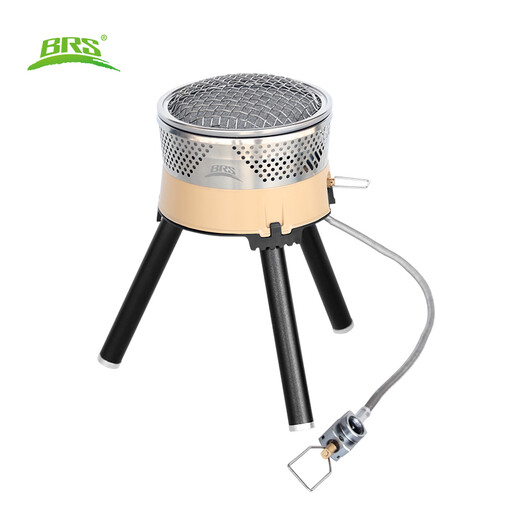
Why This Fits Their Persona: A practical starting point for campers who want one compact burner for simple meals and hot drinks without buying a full integrated kit.
Its specifications state both fuel compatibility and packed size, making it easier to plan the canister and backpack space before purchase.
1900W output; 0.425kg weight; compatible with butane and propane gas. External ignition is required.
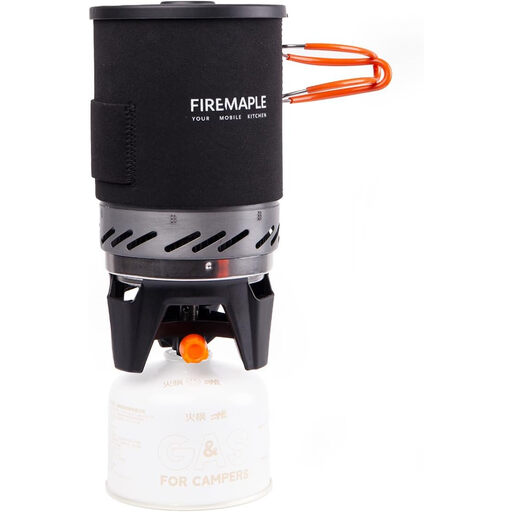
Why This Fits Their Persona: Designed for solo travellers who value an organised, nestable setup for hiking, fishing, trekking and campsite cooking.
The burner and core cookware store inside the 1L pot, reducing the risk of buying separate pieces that do not pack together efficiently.
Heat-exchange design; hard-anodised aluminium pot; direct fit for standard threaded isobutane canisters.
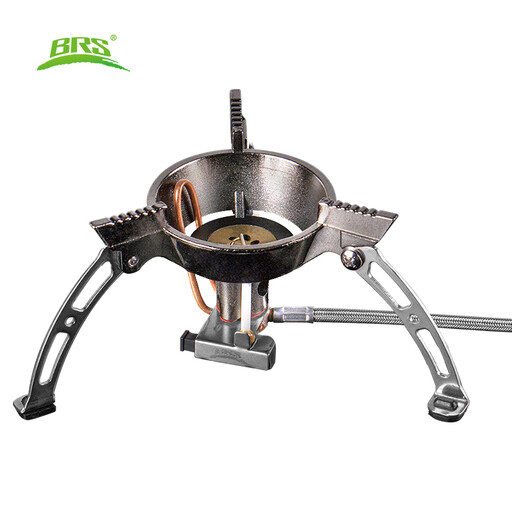
Why This Fits Their Persona: Suitable for users who cook more substantial meals or need broader fuel flexibility for varied outdoor trips.
The listing identifies a 5kg support capacity, folding bracket and compatible fuel formats, rather than relying on wattage alone.
240g weight; adjustable output up to 3240W; piezo ignition; adapter and carry bag included. Gas canister is sold separately.
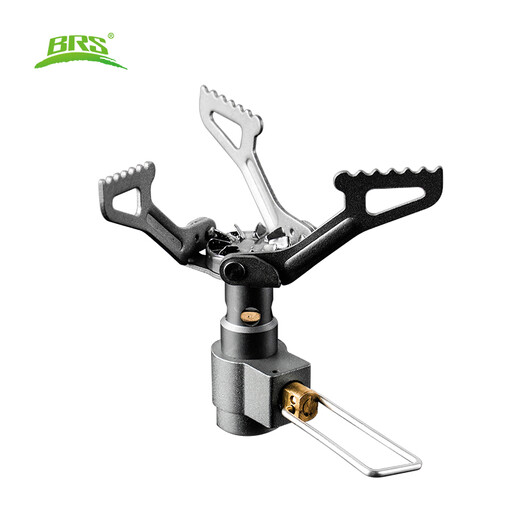
Why This Fits Their Persona: A focused backpacking stove for hikers and trekkers who already own compatible cookware and prioritise minimum carry weight.
Its 26g burner weight is clearly stated, helping buyers distinguish a burner-only purchase from a complete camping cooking system.
Titanium construction; foldable pot supports; 1940W output. It requires compatible gas fuel and separate cookware.
We have compiled a complete, real-time list of products that fully satisfy these strict selection criteria and UK safety regulations.
No. Use a gas burner only outdoors in a well-ventilated area. Do not operate it inside a tent, car, caravan or enclosed shelter. Keep the stove on a level, non-flammable surface and never leave it unattended.
Lifespan depends on frequency of use, fuel connections, storage and cleaning. Inspect the burner, pot supports, valve, O-rings and canister connection before each trip. Store the stove dry, protect it from impact and replace worn seals or damaged parts according to the product instructions.
They can reduce heat loss because the pot and burner are designed to work together, potentially helping with fuel efficiency. Actual running cost depends on fuel price, weather, cooking time and meal type. Compare the system’s purchase price, included cookware and required canister format before deciding.