
24/7 Customer Support

Free returns

Same-day & Next-day Delivery

Quality Guaranteed

Unlock Your Welcome Offers: FREE Delivery | Up to 80% OFF | Free 30-day JoyPlus trial
Download the APP
A flat car battery is an unwelcome surprise, especially on a cold, dark morning in the UK. While many of us have relied on the kindness of neighbours or waited for roadside assistance, a modern portable car jump starter offers a far quicker and more independent solution.
However, the market is flooded with options, and it's easy to make a poor choice. Many drivers are caught out by three common pitfalls: misleading power claims that leave you stranded, buying a unit too weak for your vehicle (especially common with diesel engines) and overlooking critical safety features that can lead to vehicle damage. This guide will help you navigate these traps and choose a reliable device that gives you genuine peace of mind.
Before you buy, it's crucial to understand a few key specifications. Focusing on the right numbers will ensure your emergency car starter works when you need it most.
Many manufacturers prominently display a "Peak Amps" number, often in the thousands. While this figure represents the maximum current the device can discharge in a short burst, it's not the most practical measure of its power. What truly matters is the sustained starting or cranking current and, more importantly, the engine size compatibility.
Always look for a clear statement from the manufacturer, such as "Suitable for up to 7.0L petrol and 5.5L diesel engines." This is a far more reliable indicator of whether the device can handle your specific vehicle. A jump starter for a diesel engine requires significantly more power than one for a small petrol car due to higher engine compression, so matching this specification is non-negotiable.
The battery capacity, measured in milliampere-hours (mAh), determines how many jump starts you can perform on a single charge and how much power is available for other functions. Many modern units double as a jump starter power bank, equipped with USB ports to charge your phone, tablet or other devices. This is an incredibly useful feature for travel, camping or simply during a power cut. A higher mAh rating means more charging capability.
A quality 12v jump starter is more than just a battery; it's an intelligent device with built-in safety protections. Do not consider any model that lacks these core features:
These features are what separate a reliable tool from a potential hazard. A good set of jump leads with a power pack will have smart clamps with indicator lights or buzzers to alert you to an incorrect connection.
To help you choose, we've matched some reliable options to common UK driver profiles.
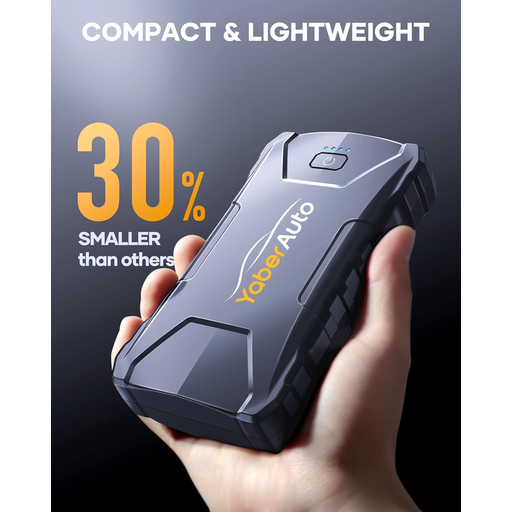
Why This Fits Their Persona: Perfect for the driver of a typical family car, hatchback or small SUV. Its compact size fits easily in a glove box, and the 13800mAh capacity provides ample power for both jump-starting and charging a smartphone on the go.
It clearly states its capability for engines up to 7.0L petrol or 5.5L diesel, removing the guesswork. It also features 10 intelligent safety protections, including reverse polarity alerts.
A great balance of power, portability and multi-functionality. The built-in LED torch with an SOS mode is a practical addition for any roadside emergency.
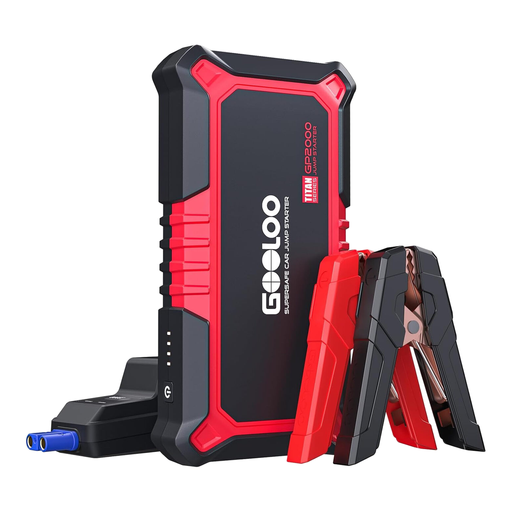
Why This Fits Their Persona: This is for the driver of a large SUV, van or high-capacity diesel engine. Its higher power output is specifically designed to provide the necessary cranking amps for these demanding vehicles, offering confidence for work or family trips.
It directly addresses the diesel engine pitfall by offering robust power for up to 6.0L diesel and 8.0L petrol engines. The heavy-duty, all-metal clamps and 10 safety protections counter the risk of poor-quality components.
Serious starting power for larger vehicles. It also functions as a high-capacity power bank with multiple USB outputs, making it a versatile 4-in-1 emergency tool.
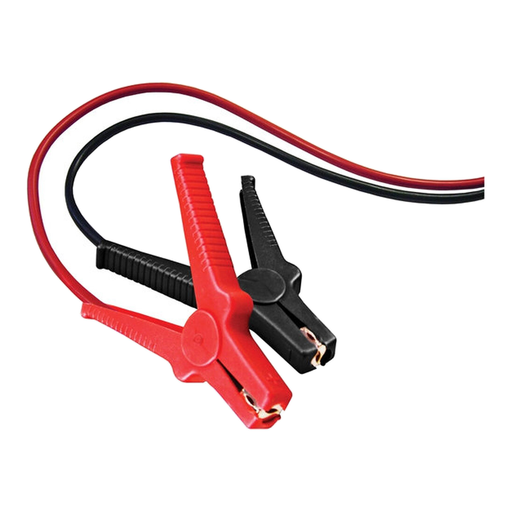
Why This Fits Their Persona: For the driver who prefers a simple, time-tested solution and doesn't need a power bank. This is a straightforward set of booster cables for those who are comfortable asking for a jump from another vehicle.
This product avoids the trap of complex electronics and misleading power claims entirely. Its value is in its simplicity. The fully insulated, colour-coded clamps help ensure safe and correct use.
A highly cost-effective and reliable tool for its single purpose. It requires no charging or maintenance and comes in a convenient storage bag for the boot.
To ensure it's ready for an emergency, it's good practice to recharge your jump starter every 3 to 6 months, even if you haven't used it. Most units have indicator lights to show the current charge level. Leaving it uncharged for too long can degrade the internal battery's health.
Yes, they serve different purposes. A portable car jump starter delivers a very high, short burst of power to start your engine. A car battery charger jump starter, like the EAFC Car Battery Charger, is designed to slowly recharge a flat battery over several hours. Chargers are for battery maintenance and recovery, while jump starters are for immediate, emergency starting.
No. Once your vehicle's engine has started, you should disconnect the jump starter clamps within 30 seconds. Leaving it connected can damage the jump starter's internal battery and potentially harm your car's electrical system. Always follow the manufacturer's instructions for safe disconnection.