
24/7 Customer Support

Free returns

Same-day & Next-day Delivery

Quality Guaranteed

Unlock Your Welcome Offers: FREE Delivery | Up to 80% OFF | Free 30-day JoyPlus trial
Download the APP
A portable cooking stove can make campsite meals, university halls and compact kitchens far more practical. However, the right choice depends on how and where you will use it. A lightweight gas burner may suit a solo hiker, while a portable induction hob is more appropriate for an office, flat or self-catering accommodation.
As the Joybuy Product Recommendation Officer, I focus on separating useful specifications from attractive but incomplete marketing claims. Before buying, watch for these common traps.
A high wattage figure does not automatically mean faster or more efficient cooking. Gas stove performance also depends on the burner design, wind exposure, cookware and fuel pressure. For electric models, the stated power may describe maximum input rather than the heat level you will use most often.
Look for practical information such as a stated boiling time, adjustable heat settings and whether the product is suitable for your intended cookware.
A gas stove may require a particular canister connection, such as threaded isobutane or a butane or propane canister. Some models also need an external lighter because they do not include integrated ignition.
Induction cookers have a different limitation: they only work with ferromagnetic cookware. Aluminium, glass and ceramic pots without a magnetic base will not heat correctly. Check the base of your pans before ordering.
A small stove body may still need a separate fuel canister, pot, windshield and lighter. Similarly, an electric hot pot may be compact but unsuitable for hiking because it requires a mains socket.
Compare the packed size, total weight, included accessories and power source, rather than looking at the appliance dimensions alone.
For camping, a portable camping stove using butane, propane or threaded isobutane canisters offers independence from mains electricity. Gas burners must be used only outdoors in a well-ventilated area, on a stable, non-flammable surface. Never use an outdoor gas stove inside a tent, caravan or room.
For indoor or office cooking, choose an electric appliance with a suitable UK plug and clear operating instructions. Check the product packaging and documentation for relevant UK conformity markings, electrical information and safety warnings before use.
Backpackers should prioritise weight and nesting. A complete camping cooking system that stores the stove and accessories inside its pot can occupy less space than separate equipment.
A 600ml pot is generally intended for one person and light meals, while a 1L pot gives more flexibility for boiling water, soup or dehydrated food. For home use, a 2L electric hot pot is more suitable for noodles, porridge, soup or shared meals, but it will be heavier than an ultralight camping stove.
A burner with smooth flame adjustment is useful when moving between boiling and simmering. Foldable pot supports should open securely and provide a stable base on level ground. Integrated heat exchangers can help transfer heat efficiently, particularly in exposed outdoor conditions, although wind protection and cookware still affect results.
For a 2000W induction cooker, check the number of power or temperature levels, timer function, no-pan detection, overheat protection and child lock. Keep ventilation openings clear and do not move an induction hob while operating.
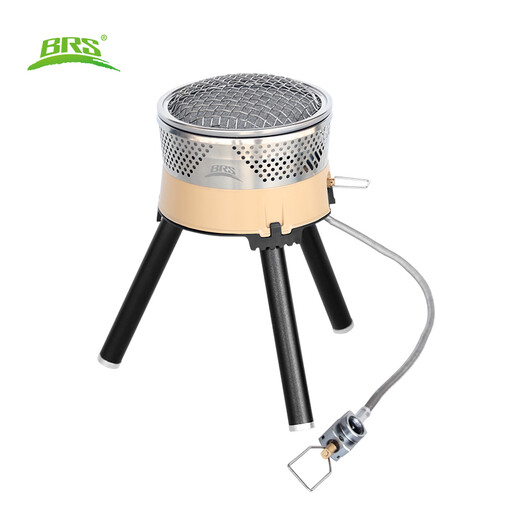
Why This Fits Their Persona: A practical starting point for UK campers who want a compact gas burner for short trips, picnics or straightforward outdoor meals.
The listing clearly states its external ignition requirement and dual compatibility with butane and propane gas, so buyers can plan fuel and ignition separately.
1900W output, 0.425kg weight and a stated 105 x 85mm storage size; the product description gives a 3-minute time for boiling 1L of water.
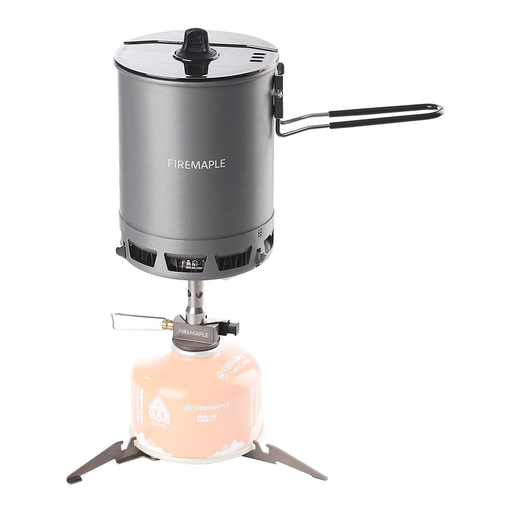
Why This Fits Their Persona: Designed for solo travellers and hikers who value an integrated, organised kit rather than assembling separate cookware components.
The 600ml capacity and 265g complete-kit weight make its intended solo use clear, reducing the risk of buying a larger system than necessary.
The stove and 110g mini canister are designed to nest inside the pot; the three-slot base and heat-exchange pot support outdoor setup.

Why This Fits Their Persona: Suitable for students, office workers, small-household residents and home cooks needing an additional indoor cooking surface.
The specification identifies 10 heat settings, six cooking functions, boil-dry protection and a child lock, rather than relying only on the 2000W headline.
The slim glass panel is easy to wipe, while touch controls provide adjustable heat for boiling, frying, soup and hot pot cooking.
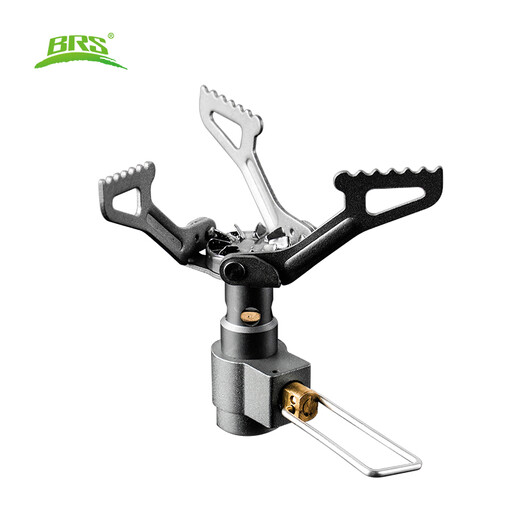
Why This Fits Their Persona: A focused choice for long-distance hikers and weight-conscious campers carrying solo camping cookware and a separate gas canister.
Its very low 26g stove weight is stated separately from the fuel and cookware, making the total pack weight easier to calculate realistically.
Titanium construction, foldable pot supports, smooth flame adjustment and a listed 1940W output with approximately 2 minutes 58 seconds to boil 1L.
We have compiled a complete, real-time list of products that fully satisfy these strict selection criteria and UK safety regulations.
If your priority is noodles, soup, porridge or one-pot meals rather than outdoor portability, a compact cooker such as the Plodon 2.0L electric hot pot may be more suitable. Its 1000W rating, low/high controls, non-stick interior and detachable power cord are aimed at dormitories, offices and small kitchens.
Keep the heating base dry, do not exceed the marked fill line and do not operate the pot empty. An electric hot pot is not a camping appliance unless a suitable, safely rated power supply is available.
No. Gas-powered camping stoves should be used outdoors only, in a well-ventilated area away from flammable materials. Carbon monoxide and fire risks make tents, bedrooms, caravans and other enclosed spaces unsuitable.
Use flat-based cookware containing a magnetic, ferromagnetic material. A simple magnet test on the base can indicate compatibility, but also check the hob’s stated diameter range. Aluminium or ceramic cookware without a magnetic base will not heat properly.
Running cost depends on current gas and electricity prices, cooking time, power level and heat transfer. A gas stove may be convenient away from the mains, while an induction hob can provide controllable indoor cooking with no fuel canister. Compare the appliance’s power rating and your likely usage rather than assuming one option will always cost less.