
24/7 全天候客户支持

免费退货

当日/次日达

品质保障

开启新人专享福利: 全场免邮 | 低至 2 折 | 免费试用 30 天 JoyPlus 会员
下载 Joybuy
Making the switch to an electric vehicle is an exciting step, but it can bring new questions, especially around charging. If you're renting, don't have a private driveway for a wallbox installation, or simply want a reliable backup, you might be wondering how to charge your EV from a standard socket.
A portable EV charger with a 3-pin plug is a practical solution. Often called a 'granny charger' in the UK, this type of cable allows you to plug your vehicle directly into any domestic wall socket. This guide will walk you through the key features to consider and present our top recommendations for 2026 to help you find a safe and convenient charging solution.
Choosing the right cable is about more than just convenience; it's about safety and efficiency. Here are a few crucial factors to consider before making a purchase.
When using a home EV charger UK plug, safety is paramount. A standard domestic socket is not designed for the sustained high load of a dedicated EV wallbox. Therefore, your portable charger must have robust, built-in safety mechanisms. Look for chargers with:
The vast majority of modern electric vehicles in the UK and Europe use a Type 2 connector. A mobile EV charger Type 2 cable with a 3-pin plug is the most versatile option for most drivers.
Consider where you will be parking and charging. Measure the distance from your nearest socket to your car's charging port.
A quality portable charger offers more than just power. Look for features that give you control over your charging session.
Based on a combination of safety features, user-friendly design and practicality, here are our recommendations for a reliable portable EV charger 3 pin plug.
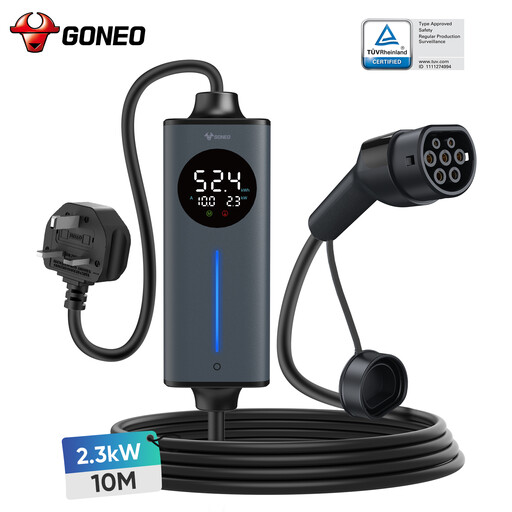
Why It Stands Out: This charger strikes an excellent balance between reach and practicality. The 10-metre length is versatile enough for most home charging scenarios, while its comprehensive safety suite ensures a secure connection every time.
Pros:
Who is it for? EV owners who need a flexible charging solution that can easily reach their vehicle from a standard household socket, whether in a garage, on a driveway or when visiting friends and family.
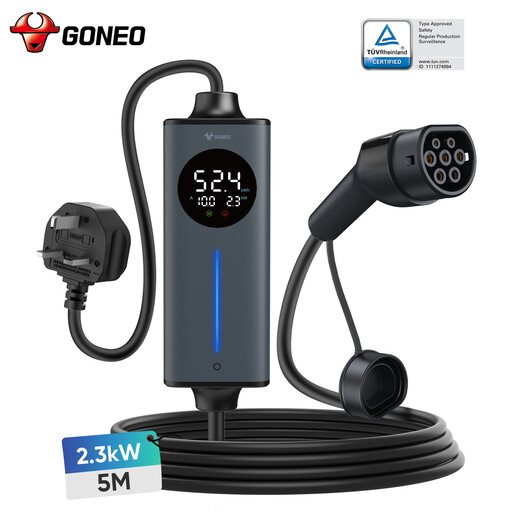
Why It Stands Out: This model offers all the same advanced safety and smart charging features as its longer counterpart but in a more compact and manageable package. The 5-metre cable is tidy and easy to store.
Pros:
Who is it for? Drivers who consistently park close to a power source and prefer a shorter, less cumbersome cable for daily use or to keep in the boot as a backup.
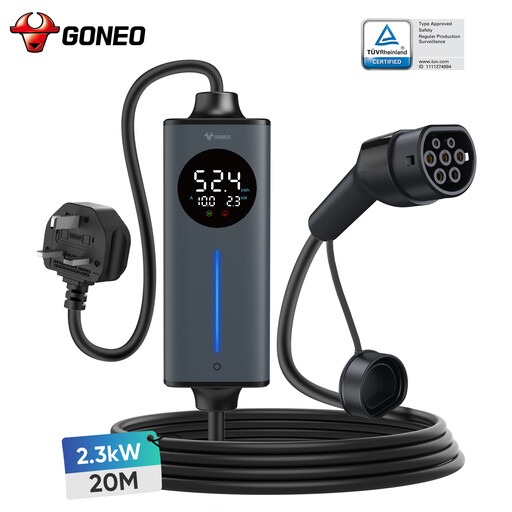
Why It Stands Out: When distance is a challenge, this 20-metre charger provides the solution. It delivers the same reliable and safe charging performance while offering maximum reach, solving difficult parking and charging situations.
Pros:
Who is it for? Renters, flat dwellers, or anyone who parks a significant distance from their nearest available socket. This charger removes the limitation of proximity to a power source.
While these portable chargers offer a fantastic solution for many EV drivers, your needs might be different. If you are looking for other charging accessories or more specialised components, you can explore a wider selection.
Explore our full range of connector pins and charging accessories.
Yes, it is safe, provided you use a high-quality portable charger designed for this purpose. A reliable 3 pin electric car charger will have multiple built-in safety features, such as temperature monitoring, overcurrent protection and earth fault detection, to ensure it operates safely within the limits of a domestic circuit. Always avoid using standard household extension leads.
'Granny charger' is the informal name for a Mode 2 EV charging cable. It's a portable EV charger that allows you to connect your car to a standard domestic socket (like a UK 3-pin plug) instead of a dedicated EV wallbox. They charge at a slower rate (typically around 2.3kW) and are perfect for overnight charging, as a backup or when visiting locations without dedicated charge points.
Charging speed with a 3-pin plug is slower than with a dedicated wallbox. At a typical rate of 2.3kW, you can expect to add around 8-10 miles of range per hour of charging. This makes it an ideal solution for overnight top-ups, where the car can charge for 8-10 hours, adding 60-100 miles of range, which is more than enough for the average daily commute.