
24/7 Customer Support

Free returns

Same-day & Next-day Delivery

Quality Guaranteed

Unlock Your Welcome Offers: FREE Delivery | Up to 80% OFF | Free 30-day JoyPlus trial
Download the APP
A small breeze can make a meaningful difference on a crowded train, at a warm desk or during a summer drive. However, choosing among portable fans, rechargeable models and USB-powered designs is not simply a case of picking the highest speed number.
Marketing descriptions often highlight maximum airflow while leaving out battery conditions, charging compatibility and practical mounting details. The right choice depends on where you will use the fan, how long you need it to run and whether you need personal cooling or wider air circulation.
This guide from the Joybuy Product Recommendation Officer explains the main buying pitfalls, the specifications worth checking and our top recommendations for 2026.
A rechargeable fan advertised with a long operating time may achieve that figure on its lowest speed. Higher settings can reduce battery life considerably. For example, a fan offering up to 19.5 hours may provide a shorter period at maximum airflow.
Before buying, look for runtime information across different speed levels rather than relying on one headline figure.
Blade count, motor speed and airflow measurements describe different things. A 3-speed fan may offer convenient adjustment, but a higher RPM figure alone does not confirm that the breeze will feel comfortable at your preferred distance.
For a handheld fan, direction, grille size and grip comfort can be just as important as motor speed. For a desk fan, a stable base and adjustable angle may matter more than pocket-sized dimensions.
A USB fan may use USB-A, Micro-USB or Type-C charging, and the cable supplied may not suit every adapter. Check whether the fan can charge from a power bank, laptop or car USB socket.
Likewise, a fan described as portable may not include a stand, lanyard, suction mount or clip. These accessories can determine whether the fan is genuinely convenient during commuting, travel or office use.
Battery capacity is commonly shown in mAh. A 2,000mAh battery can support a slim, lightweight personal fan, while a 5,000mAh battery generally provides more operating flexibility but adds size and weight.
Compare the stated runtime at low, medium and high speeds. Also check the charging time. A Type-C rechargeable fan that takes several hours to recharge may be less convenient if you need it repeatedly throughout the day.
Lithium-ion batteries should not be opened, short-circuited or exposed to fire. Follow the supplied charging and storage instructions, and stop using the product if the battery or cable becomes damaged.
Multiple speed settings allow you to balance cooling and sound. A quiet fan is more suitable for studying, sleeping or video calls, whereas a stronger setting may be more useful outdoors or inside a stationary vehicle.
For PC cooling, check the published airflow in CFM, static pressure and speed range. A standard ARGB PC fan with a 4-pin PWM connector is intended for a compatible computer motherboard or controller, not for personal cooling.
For a handheld fan, weight, grip shape and safety grille affect everyday comfort. A rear stand can turn a personal fan into a small desk fan, while a lanyard supports hands-free use.
For vehicle use, verify the power input. A USB-powered portable car fan may work from a car charger or power bank, while a dual-head model may require a 12V or 24V cigarette-lighter socket. Never position a dashboard fan where it obstructs visibility or interferes with vehicle controls.
When selecting a tower fan, check its height, footprint, oscillation function and whether it is designed for mains or cordless operation. A mini tower fan is suited to personal spaces, rather than cooling an entire room like a full-size floor model.

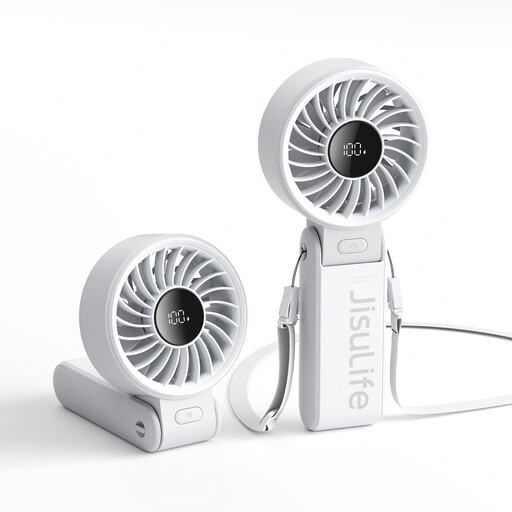
Why This Fits Their Persona: A straightforward option for students, commuters and first-time buyers who want one fan for handheld and desk use.
The table stand and Type-C port are clearly specified, reducing uncertainty about hands-free use and charging.
Three speed settings, compact form and USB Type-C charging.
Why This Fits Their Persona: Suitable for festival-goers, travellers and people who need longer cordless use between charges.
Its stated operating range is provided across speed settings, rather than presenting one runtime without context.
5,000mAh battery, five speeds, LED battery display and handheld, desk or neck-worn use.
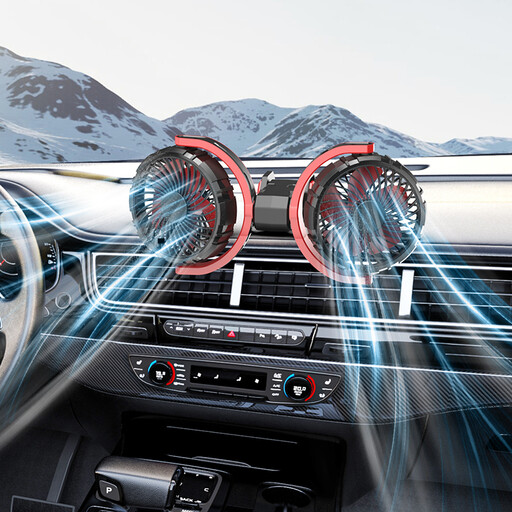
Why This Fits Their Persona: Designed for road trips and shared vehicles where driver and passengers may need airflow in different directions.
The product specifies 12V/24V vehicle compatibility, dual heads and a foldable structure, making installation requirements clearer.
Two adjustable fan heads, 360-degree positioning, foldable design and two integrated USB ports.
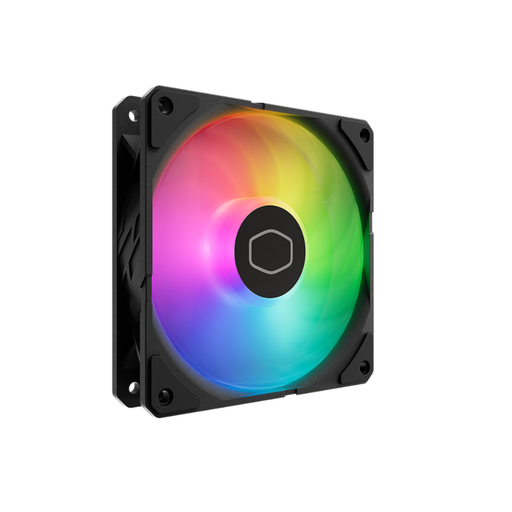
Why This Fits Their Persona: A practical match for gaming desktops and custom PC builds where airflow, PWM control and lighting compatibility are priorities.
The specifications identify the 120mm size, 4-pin PWM fan connector and separate 5V 3-pin ARGB connection.
690–2,500 RPM PWM range, up to 70.7 CFM airflow and an included ARGB mini controller.
We have compiled a complete, real-time list of products that fully satisfy these strict selection criteria and UK safety regulations.
A rechargeable fan uses electricity while charging, but the exact running cost depends on battery capacity, charging frequency and your electricity tariff. Smaller personal fans generally consume less power than full-size tower fans, although airflow coverage is also more limited.
Usually, yes, if the fan is compatible with the vehicle’s USB port or a suitable car charger. Check the product’s input requirements before connecting it. A 12V/24V car fan is a different design and should only be used with the specified vehicle socket.
Lifespan varies according to motor construction, battery care, cleaning and frequency of use. Keep grilles clear of dust, avoid moisture and do not leave a damaged lithium battery in service. For PC fans, published bearing life is a useful comparison figure, but it is not a guarantee of service in every environment.