
24/7 全天候客户支持

免费退货

当日/次日达

品质保障

开启新人专享福利: 全场免邮 | 低至 2 折 | 免费试用 30 天 JoyPlus 会员
下载 Joybuy
From stuffy bedrooms and warm office desks to cold caravans and unreliable off-grid power, portable fans, fan heaters and power inverters can solve very different problems. The challenge is separating practical specifications from impressive-sounding marketing.
A compact device may be convenient but underpowered. A heater may advertise high wattage without offering useful temperature control. An inverter may display a large peak figure while its continuous output is much lower. Before buying, match the product to your actual setting, available power source and safety requirements.
This is particularly important when choosing a 4000W power inverter. A peak or surge rating usually describes the short burst available when a motor or compressor starts. It is not the same as the power the inverter can supply continuously.
For example, an inverter rated at 2000W continuous and 4000W peak may support a brief start-up surge, but it should not be treated as a 4000W continuous supply. Add the wattage of the appliances you intend to run and leave practical headroom.
A rechargeable USB-C fan’s battery life depends on its speed setting, battery condition and whether it is being used while charging. A portable neck fan advertised with a long maximum runtime may operate for considerably less at its highest airflow setting.
Likewise, an inverter’s operating time depends on battery capacity, appliance load, cable quality and conversion losses. Always consider the complete system rather than one headline number.
Noise descriptions are not always presented using comparable measurements. Look for specific information such as a stated decibel figure, low-noise motor design or a recognised certification where provided. A quiet tower fan may be more suitable for a bedroom than a high-speed floor fan, but placement, room acoustics and oscillation can still affect perceived sound.
For personal cooling, a portable neck fan, bladeless neck fan or hands-free fan directs airflow towards the face and neck without occupying a desk. Check the number of speed settings and the position of the air inlets and outlets.
For a room, consider a taller fan with a wider airflow pattern. An oscillating tower fan can distribute air across more of the room, while a fixed mini tower fan is easier to position beside a bed or on a desk. A DC motor may offer more gradual speed adjustment and lower stated energy consumption than some AC motor designs, but compare the manufacturer’s specifications rather than relying on general assumptions.
A rechargeable USB-C fan should list its battery capacity, charging input and estimated runtime. The JISULIFE Portable Neck Fan Life 4, for example, specifies a 5000mAh lithium-ion battery, USB-C charging, a stated charging time of 3–4 hours and an operating range of 2.5–16.5 hours, depending on the selected speed and usage conditions.
For lithium-battery products, stop using the device if it becomes unusually hot, swells, smells abnormal or appears damaged. Do not puncture, modify or expose it to excessive heat.
A 2000W fan heater can provide rapid spot heating, but maximum power also means higher electricity use while operating at full output. A thermostat, timer and lower-power or eco mode can help avoid heating an empty room.
Ceramic heating elements are used in some ceramic fan heaters and can provide a compact heating format. Check for overheat protection, a stable base, clear operating instructions and an appropriate UK plug or power arrangement. An IP21 rating indicates limited protection against vertically falling water drops; it does not make a heater waterproof. Keep it away from baths, sinks and splashing water unless the instructions specifically allow the intended placement.
For an RV power inverter, camping power inverter or emergency backup inverter, a pure sine wave inverter is generally the more suitable format for equipment that requires a stable AC waveform. However, confirm the appliance manufacturer’s requirements before connection.
A 12V to 220V inverter connects a 12V battery system to AC output, but UK mains equipment is commonly designed around approximately 230V. Check the inverter output, plug compatibility and appliance label before use. High loads should be connected directly to the battery using correctly rated cables, not through a vehicle cigarette-lighter socket unless the socket and inverter instructions explicitly permit it. Install the unit in a dry, ventilated area and avoid reversing the polarity.
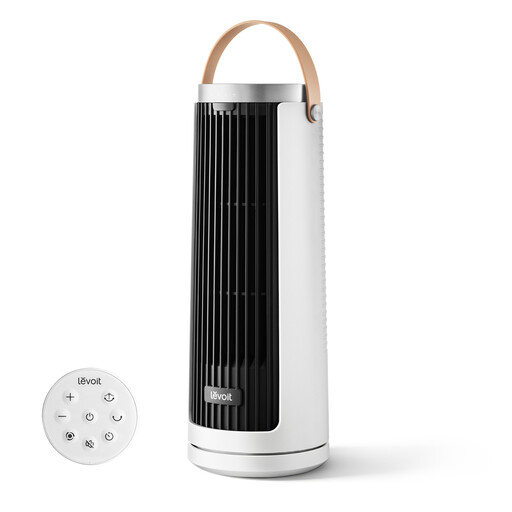
Why This Fits Their Persona: Its compact, cordless format suits desks, bedside tables, small bedrooms and occasional travel without requiring a permanent floor installation.
The rechargeable design avoids depending on a nearby mains socket, while multiple airflow modes provide more choice than a single-speed personal fan.
USB Type-C charging, portable tower design and low-noise operation are listed features.
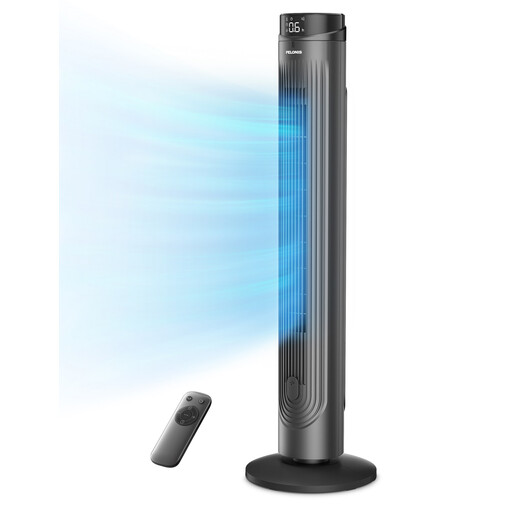
Why This Fits Their Persona: The taller floor-standing design is suited to bedrooms and living spaces where broad, adjustable airflow and quiet operation matter.
Its listed 12 speeds and 24-hour timer make the control range clearer than vague claims of “custom comfort”.
DC motor, LED display, remote control and oscillating operation are specified.
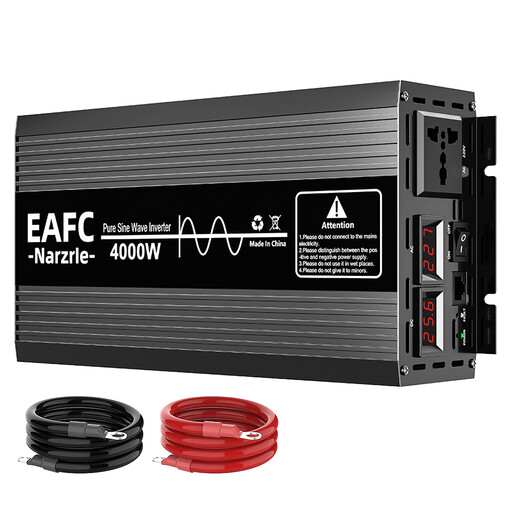
Why This Fits Their Persona: The 12V-to-220V format is intended for cars, trucks, RVs, camping and backup situations where battery power must run AC equipment.
The product clearly separates its 2000W rated output from its 4000W peak figure and includes overload, short-circuit, temperature and polarity protections.
Pure sine wave output, dual digital voltage displays and intelligent cooling fans are listed features.
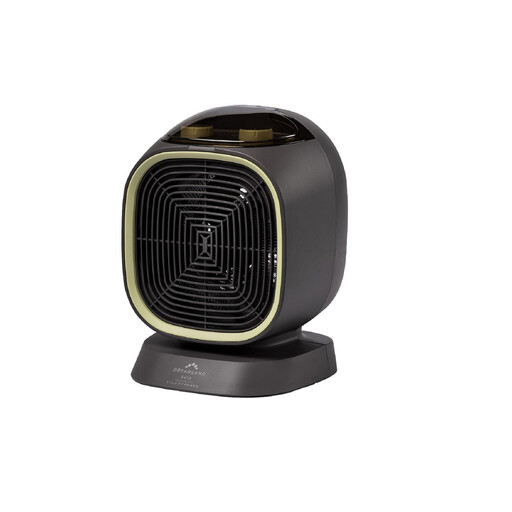
Why This Fits Their Persona: Its portable format and selectable heating, cooling and eco modes suit home offices, bedrooms and short-term room heating.
An eco mode, thermostat-related control and antifreeze function provide more practical control than simply selecting maximum wattage.
The listed features include four operating modes, Silent Power technology, a timer and IP21 protection.
We have compiled a complete, real-time list of products that fully satisfy these strict selection criteria and UK safety regulations.
They generally use less electricity because they move air rather than actively lowering room temperature. A fan can make occupants feel cooler through airflow, but it does not reduce the actual room temperature in the same way as an air-conditioning system. Compare the fan’s wattage with your electricity tariff to estimate running cost.
It depends on room size, insulation, draughts and the desired temperature. A 2000W model is usually more appropriate for spot heating or a modest room than for replacing a central heating system throughout a large, poorly insulated home. A thermostat and timer can help prevent unnecessary operation.
Start with the appliance wattage and intended operating time. A 1000W load draws substantially more current from a 12V battery than a 100W load, and real-world use includes inverter losses. Use a battery and cable system rated for the expected current, ventilate the installation and follow the inverter instructions before connecting high-power equipment.