What matters when choosing?
For textbook summaries at a café table, decide whether carrying ease, shared-space typing, longer writing sessions or fit with your Apple devices is your primary concern. Then check the exact keyboard variant against that need.
| Concern |
What to check |
Who this matters to |
| Bag space and setup |
Check the exact dimensions and whether a protective cover is included; allow room for your book and reading device on the table. |
If I move between study spots with a tablet, I want a keyboard that is easy to pack and set down without crowding my reading space. Around 31% of consumers would put easy carrying and setup first. |
| Quiet typing and device switching |
Check the stated key design, supported operating systems, number of paired devices and switching method. |
When I take notes at a shared table and move between devices, I want less distracting typing and a straightforward way to change screens. Roughly 25% of consumers would prioritise quiet multi-device use. |
| Typing and shortcuts |
Check key arrangement, navigation access and any remapping options; consider the switch variant if choosing a mechanical model. |
If I spend a longer session reorganising chapter notes, familiar keys and useful shortcuts matter more to me than the thinnest keyboard. Around 25% of consumers would make typing workflow their primary concern. |
| Apple-device fit |
Confirm the British English variant, your device and operating-system requirements, and the charging connection. |
With a compatible Mac, iPad or iPhone, I may favour the right key labelling and a rechargeable keyboard that fits my existing setup. About 19% of consumers would put Apple-device fit first. |
Joybuy keyboards for café study
These keyboards offer different compromises for writing chapter notes away from a desk: smaller layouts, a full-size option and wireless models. Compare each listing’s layout and device fit with the space and typing time your café sessions require.
 No image available
AULA F75 75% gasket mechanical keyboard, US layout
Consider this if you want a separate 75% keyboard for chapter notes and can accommodate its US layout.
The listed variant has wired, Bluetooth and 2.4 GHz modes, PBT keycaps and RGB backlighting. Check device compatibility and whether its key sound suits a shared café.
View on Joybuy
 No image available
Targus EcoSmart™ full-size wireless keyboard (UK)
Consider a full-size keyboard if a familiar spread of keys matters more to you than keeping the café table clear.
This is a UK-designated wireless model. Check its dimensions against the space left beside your textbook and reading device.
View on Joybuy
 No image available
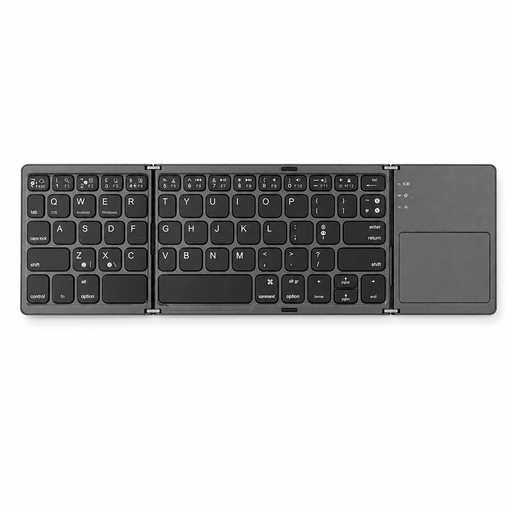
VoxorAI B033 black Bluetooth keyboard
This Bluetooth keyboard is worth considering for notes on a phone, tablet or computer when carrying a separate keyboard suits your routine.
Check the exact key arrangement and UK-layout suitability before choosing it for longer summaries.
View on Joybuy
 No image available
HyperX Alloy Rise 75 Wireless Keyboard UK
Consider this UK-designated wireless keyboard if you prefer a separate typing surface and have room to carry it.
Check its weight, the exact layout and compatibility with your device before treating it as a regular café keyboard.
View on Joybuy
 No image available
Lofree OE907 65% keyboard, Jellyfish switches, US layout
The smaller layout may appeal if tabletop space is your main constraint, provided its US key arrangement suits your notes.
The listed variant has 68 keys, Bluetooth 5.1 and wired connectivity. Check its sound and device-switching behaviour for your study routine, and confirm the listing’s mouse offer if that affects your choice.
View on Joybuy
Common questions
Do I need a UK-layout keyboard for studying?
Choose a UK or British English layout if those key positions and symbols are what you normally use for notes. Apple sells a British English Magic Keyboard, while Keychron distinguishes UK-ISO variants; check the exact product variant rather than assuming every compact keyboard has the same layout.
Can one Bluetooth keyboard work with my laptop, tablet and phone?
It can if the exact keyboard supports your devices and their operating systems. Logitech lists Windows, macOS, iPadOS, iOS and Android compatibility and three-device switching for the Pebble Keys 2 K380s; check your own device versions and the switching method before buying.
Is a mechanical keyboard better for long chapter summaries?
Not automatically: choose one when its layout, key feel or customisable shortcuts serve the way you write. Keychron lists a 75% layout, QMK customisation and wired use for the K3 Version 3, but check the selected switches and whether its sound and carry size suit a shared café.
What should I check on a rechargeable keyboard?
Check the charging connection and whether keeping the keyboard charged fits your routine. Apple lists USB-C charging and rates its compact Magic Keyboard for about a month or more between charges; that rating applies to Apple’s model, not to every portable keyboard.
How should I dispose of an old keyboard in the UK?
Take it to an appropriate electrical-waste collection point rather than putting it in household rubbish. The UK Office for Product Safety and Standards gives the same collection guidance for batteries, so use a suitable battery route for any removable ones.


