Shared-space practice typists
If you write long answers near classmates, colleagues or library users, key sound matters alongside a layout you can use comfortably throughout a timed session.


For practice answers typed near other people, start with a keyboard whose keys are described as quiet, then check its layout, connection and operating-system compatibility against the device you actually use. A smaller keyboard may be easier to carry but less comfortable for long answers; neither portability nor compatibility for practice means a personal keyboard will be allowed in a real examination.
If you write long answers near classmates, colleagues or library users, key sound matters alongside a layout you can use comfortably throughout a timed session.
If you move between study locations, consider how the keyboard fits in your bag and whether its keys are protected in transit, without overlooking typing comfort.
If you practise under conditions resembling an on-screen assessment, keep your convenient practice setup separate from the equipment your exam centre permits.
Check the keyboard against your shared workspace and practice device first, then try its layout and connection through a full-length timed answer.
| Concern | What to check | Who this matters to |
|---|---|---|
| Typing sound | Look for a quiet-key claim for the exact model, and try its key spacing and arrow keys during a full answer. | When I type close to others, I want to limit disruption without losing control of longer answers. Around 33% of consumers put quiet shared-space typing first. |
| Carrying and protection | Check the packed size and whether a cover or case protects the keys; try the layout for more than short messages. | I need a keyboard that travels between study locations but still feels workable for sustained typing. Roughly 25% of consumers prioritise carrying and protection. |
| Device and layout fit | Match the stated operating systems and connection requirements to your practice device, and check the key layout if familiar symbols matter. | Switching between my study devices is only useful if the keyboard works with each one and the keys are where I expect them. About 25% of consumers make compatibility and layout their primary concern. |
| Connection reliability | Check the selected device slot and power before timed practice; consider another connection mode only if your device accepts it. | I do not want pairing or a wrong device selection to interrupt a timed answer. Around 17% of consumers put connection reliability first. |
The Joint Council for Qualifications says candidates may take only equipment allowed for their examination into the exam room. A keyboard that works well at home does not establish permission to use it there.
Ask your exams office whether you may bring your personal keyboard or accessories before the assessment.
A small footprint can change key spacing or remove keys you use in longer answers. CHERRY, for example, describes its KW 9200 MINI as having no numeric keypad.
Type a full-length practice answer on the layout rather than judging it from its packed size alone.
Requirements vary by model: Microsoft specifies Windows 10 or 11 and Bluetooth 4.0 or later for its Designer Compact Keyboard, while Apple lists platform-specific requirements for Magic Keyboard.
Check the exact operating-system version, connection requirements and keyboard layout against your practice device.
A keyboard paired to several devices or offering several connection modes still needs the correct device and mode selected.
Before the timer starts, check power, select the intended device and type a short test answer. Practise changing modes outside timed sessions.
Its Pebble Keys 2 K380s and Keys-To-Go 2 illustrate different compact-keyboard priorities for shared-space practice and travel.
The KW 9200 MINI is relevant when connection choice matters alongside a compact format.
The Designer Compact Keyboard is a Windows-focused option with specific setup requirements.
Magic Keyboard (USB-C) - British English is relevant to learners using compatible Apple devices.
These keyboards offer different layouts and connections for practice-answer typing. Check typing sound, device fit and comfort for full-length answers against your own shared-workspace setup.
 No image available
Consider its full-size layout if familiar key coverage matters for longer answers. Check its bag and desk fit, device connection and typing sound for your shared space.
 No image available
A Bluetooth option to assess for practice on a compatible device. Check its key layout, packed size and typing sound before choosing it for long answers near others.
 No image available
Consider it if wired, Bluetooth and 2.4G connection choices suit your practice device. Its QWERTY US layout may differ from the UK keys you expect; try the mechanical keys for sound and long-answer comfort.
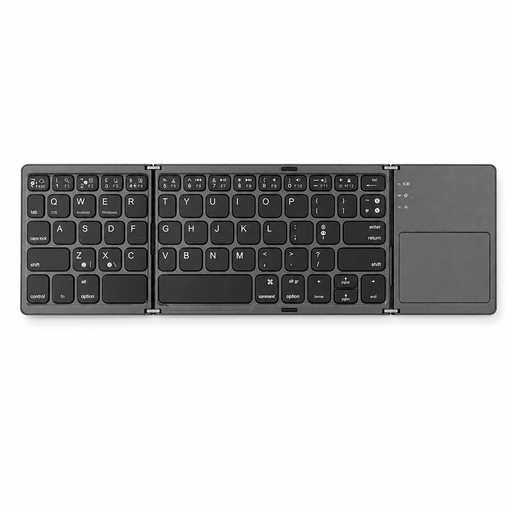 No image available
A Bluetooth choice to assess if you practise on a computer, laptop, iPad or smartphone. Confirm its key layout and try a full answer to judge comfort and sound in your workspace.
 No image available
Its full-size 108-key layout may appeal if key coverage takes priority over a small carrying footprint. The title specifies a US layout and calls this the Silent Tactile Switches variant; check device compatibility and how it actually sounds where you practise.
Only if your exam centre confirms it is allowed for that examination. The Joint Council for Qualifications says candidates may take only permitted equipment into the exam room, so ask your exams office about your keyboard and any accessories before the assessment.
No; check the requirements for the exact keyboard and device. Logitech lists several operating systems for Pebble Keys 2 K380s, whereas Microsoft specifies Windows 10 or 11 with Bluetooth 4.0 or later for Designer Compact Keyboard.
Connect the keyboard to the intended device, select the correct saved-device slot if it has one, and type in the practice platform before starting the timer. Also check its power and whether the layout lets you enter the symbols and longer answers you need.
It can be useful if your practice device accepts that connection and you are willing to learn how to switch modes. CHERRY lists Bluetooth, 2.4 GHz wireless and wired channels for the KW 9200 MINI; permission to use any of them in an actual examination is a separate question for your centre.