Small-desk tablet annotators
If your screen, keyboard and written notes must fit together, decide whether an integrated iPad case or a shallow separate keyboard and stand make a more workable arrangement.


Choose a separate compact Bluetooth keyboard if you annotate across a tablet, phone or laptop and can position the reading device independently. An iPad keyboard case brings viewing and typing together, but only if it fits your exact iPad; a compact mechanical keyboard is worth considering when longer typed notes and layout options matter more than carrying the smallest kit. Check device compatibility, key layout and the space needed for a stand before buying.
If your screen, keyboard and written notes must fit together, decide whether an integrated iPad case or a shallow separate keyboard and stand make a more workable arrangement.
If comments and citations move between a tablet, phone and laptop, check that one keyboard supports each device and the way you want to switch between them.
If annotations often become longer passages, key layout, switch choice and shortcuts may matter more to you than the smallest packed size.
Choose it when: You move typed annotations between supported devices or already have a way to prop up your reading screen.
Accept that: The keyboard does not itself position the tablet, so the stand is part of the desk and travel setup.
Choose it when: Your exact iPad is compatible and you want its viewing position, keyboard and trackpad in one arrangement.
Accept that: Fit is model-specific; this is not a keyboard to share freely with a laptop or Android tablet.
Choose it when: Longer typed comments make layout, switch options or remapping important to your choice.
Accept that: You still need to position the reading device separately and check the keyboard’s actual footprint.
For reading-list annotations on a small desk, start with where the screen will sit, then check the devices you need to type on and how much typing you expect to do.
| Concern | What to check | Who this matters to |
|---|---|---|
| Desk space and screen position | Allow room for the reading device, keyboard and notes. Check whether your chosen setup needs a separate stand. | If my tablet and notes share a shallow desk, I need a stable view without crowding the writing space; around 42% of consumers put the working footprint first. |
| Compatibility and key layout | Match the exact device and operating system, switching method and physical key layout to your workflow. | When I move citations between a tablet and laptop, I need the keyboard to work with both and have keys where I expect them; roughly 33% of consumers make compatibility their primary concern. |
| Longer typing sessions | Consider the key mechanism and layout size, plus whether you need remapping or a wired connection. | If brief comments regularly turn into longer notes, I care more about the typing arrangement than packing the smallest keyboard; about 25% of consumers prioritise that need. |
A separate Bluetooth keyboard leaves the reading device to be positioned independently. An adjustable viewing arrangement is instead a feature of specific compatible keyboard cases, such as models in Apple’s Magic Keyboard range.
Plan where the screen, keyboard, notes and any stand will sit together, not just where the keyboard will fit.
A separate tablet stand may be another item to carry and set out.
Apple identifies keyboard-case compatibility by iPad family and generation as well as size. A case for a similarly sized iPad may not fit your model.
Find your exact iPad model, then match it to the case maker’s compatibility list before ordering.
Supported operating systems and connection methods vary by keyboard. Logitech specifies operating-system support for Keys-To-Go 2, while Keychron lists Bluetooth, 2.4 GHz and wired modes for the K3 Max.
Check each device you intend to use and the pairing, receiver or cable requirements of the precise keyboard variant.
These brand examples illustrate different keyboard formats; check the particular model rather than assuming a feature applies across a range.
Separate Bluetooth keyboards for use with tablets, phones and computers, including Keys-To-Go 2 and Pebble Keys 2 K380s.
iPad-specific keyboard cases for an integrated viewing and typing arrangement.
Compact mechanical options for readers who want to consider layout and key customisation.
These choices cover folding Bluetooth keyboards, an iPad keyboard case and compact mechanical keyboards for typed annotations. Choose by the devices you use, the space available beside your reading screen and your preferred key layout.
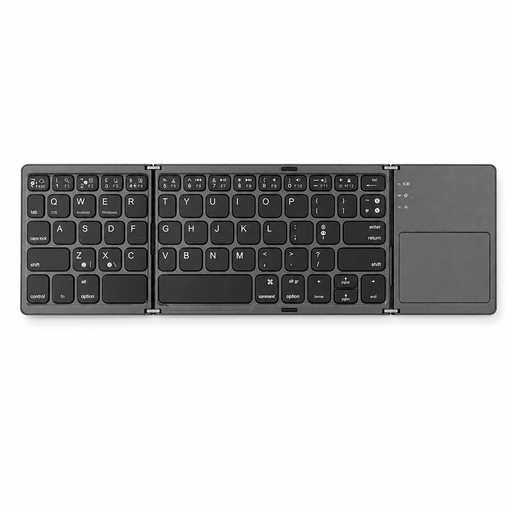 Image unavailable
Consider this separate keyboard if you need to clear desk space between annotation sessions. Check its key arrangement and whether you need a stand to position your reading device.
 Image unavailable
Consider this separate keyboard if packing it away after typing matters to you. Confirm the physical key layout and plan how your tablet or other reading device will stand on the desk.
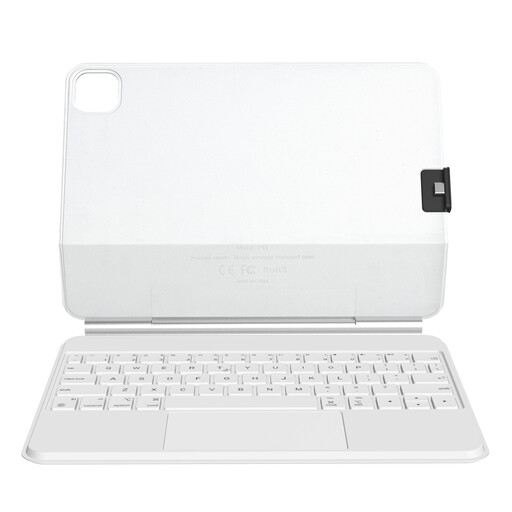 Image unavailable
Consider an integrated case if you want to view and annotate on one iPad. This model has a magnetic floating design, detachable protective cover and trackpad; check your exact iPad model and generation against its compatibility list before buying.
 Image unavailable
Consider this format if you write longer annotations and want a compact mechanical layout. The title specifies Jellyfish switches, Bluetooth 5.1 and wired mode; its US QWERTY layout may not match the UK key arrangement you expect. Plan where the reading device will stand.
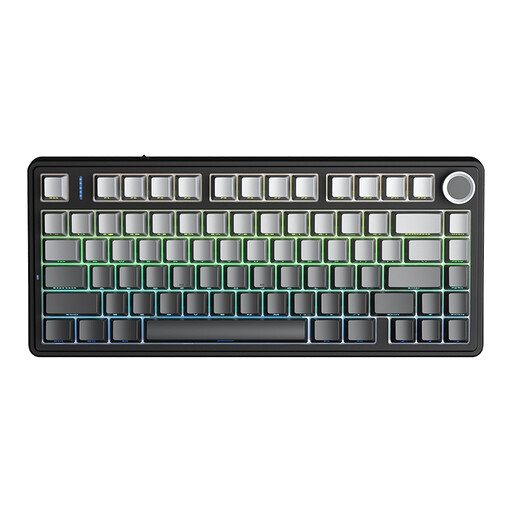 Image unavailable
Consider this model if connection choices and switch customisation matter for your typed notes. Its title specifies Bluetooth, 2.4 GHz and wired modes, plus a hot-swappable design. Check desk fit, device compatibility and whether its US QWERTY layout suits you.
A keyboard helps with typed comments and text entry, but it does not itself add handwriting or highlighting tools. Check what your reading app and device allow before choosing a keyboard for a particular annotation task.
Put the keyboard into pairing mode, select it in your device’s Bluetooth settings and enter a displayed code if prompted. The controls vary by model; Logitech’s Bluetooth setup guidance describes this general sequence.
Choose one if your exact iPad is listed as compatible and you want the keyboard and viewing position together. For typing across different supported devices, a separate Bluetooth keyboard offers a different arrangement, but you will need to plan how to position the screen.
Check an electrical-waste collection option rather than putting it in general waste. If you are replacing the keyboard through a retailer, ask about same-type take-back; GOV.UK sets out retailer duties for taking back the same type of electrical item when a customer buys one.