Choose a portable SSD if you copy large image sets regularly or carry the drive between locations; a portable HDD is a more relevant starting point when keeping a large offline archive matters more than repeated transfers. Consider a desktop drive only if the copy can stay in one place, and check its connection and power requirements before buying. Whichever type you choose, allow for usable capacity, confirm the file format suits your computers, and disconnect the backup after updating it.
Who needs an offline portfolio drive?
Creators moving between locations
If you copy image sets repeatedly and carry the drive between devices or locations, transfer requirements and physical protection deserve attention alongside capacity. Samsung and Crucial publish portable-SSD specifications relevant to this use, subject to their stated conditions.
Offline archive builders
If the main task is retaining a large local copy of finished portfolios and source images, start with usable space and a routine for updating and storing the drive. The UK National Cyber Security Centre recommends external storage as one way to keep a backup.
People sharing files between Mac and Windows
If both computers must write to the same portfolio drive, choose the file format before copying images. Apple identifies ExFAT as Windows-compatible; a drive's capacity or stated speed does not settle this compatibility question.
What matters when choosing a drive?
For offline portfolio copies, decide whether repeated transfers, carrying the drive or retaining more images is your primary need. If a desktop drive is also under consideration, check whether its connections and power requirements fit where the copy will be kept.
| Concern | What to check | Who this matters to |
|---|
| Repeated transfers |
Match the drive's USB specification and cable to the computer's port; treat stated sequential speeds as maxima, not promised copy rates. |
When I copy large RAW or high-resolution image batches often, I want transfers that fit my workflow rather than a speed figure my connection cannot use fully. Around 40% of consumers put transfer speed first. |
| Carrying and protection |
Check the exact model's protection rating, drop-test conditions and warranty exclusions. |
If the portfolio travels between shoots and other locations, I want to understand how the drive is protected and where that protection ends. Around 30% of consumers prioritise carrying and protection. |
| Capacity and recovery |
Allow for portfolio growth and formatted capacity; plan how to disconnect the copy and check that saved images open. |
I need room for a growing local archive and a copy I can use if the originals become unavailable. For around 30% of consumers, offline capacity and recoverability come first. |
Mistakes that can undermine a portfolio copy
-
Leaving the only backup connected
A drive attached to an infected computer can be affected too. The UK National Cyber Security Centre advises against leaving a backup device permanently connected.
Update the portfolio copy, safely eject the drive and store it separately. Periodically open a sample of copied images to check that the files can be used.
-
Choosing an SSD by its headline speed alone
Samsung says the T7 Shield's stated maximum speed requires USB 3.2 Gen 2 and UASP; actual performance also depends on the host configuration.
Check the computer port and suitable cable before deciding whether a faster drive's stated speed is relevant to your copying setup.
-
Formatting before deciding how the drive will be used
A file format suitable for a Mac-only creative workflow is not necessarily the choice for a drive that both Mac and Windows computers must write to. Apple identifies ExFAT as Windows-compatible and recommends APFS for external storage used with Final Cut Pro, Motion and Compressor.
Decide which computers and apps need the drive before formatting it, and move any existing files to another safe location first.
Reformatting erases the volume, so existing portfolio files need another destination before the change.
-
Filling a drive to its labelled capacity
Crucial notes that some advertised capacity is unavailable for files after formatting and other uses.
Measure the current portfolio and leave room for later image sets when choosing a capacity.
Brands relevant to offline portfolio storage
Samsung
The T7 Shield portable SSD range includes 1 TB, 2 TB and 4 TB variants for people considering a drive they will carry.
- Samsung states sequential read and write speeds of up to 1,050 and 1,000 MB/s via USB 3.2 Gen 2, alongside IP65 and 3-metre-drop claims for the T7 Shield.
- Samsung says actual speed depends on the host configuration and that liquid, dust and drop damage are not covered under its warranty.
Crucial
The X10 portable SSD range lists variants from 1 TB to 8 TB for buyers weighing local capacity alongside transfer requirements.
- Crucial lists reads up to 2,100 MB/s, IP65 resistance and drop resistance up to 3 metres for the X10.
- The stated speed is a maximum from a high-performance desktop test; Crucial says actual performance varies and some capacity is unavailable after formatting.
Seagate
The One Touch portable HDD range lists 2 TB and 4 TB options for a capacity-led local archive.
- Seagate lists USB-C connectivity, hardware encryption and backup tools for this range.
- Confirm the exact model's availability and any included services with the seller before ordering.
Joybuy drives for portable portfolio copies
These portable SSDs suit consumers considering repeated image copies or a drive carried between locations; the portable HDD offers a capacity-led option for a local archive. Compare the exact connection, usable space and file-format requirements with your own computers before choosing.
 Image unavailable
Samsung T7 Shield portable SSD, 1 TB, blue
Consider this portable SSD if you carry portfolio copies between locations. Its listed connection is USB 3.2 Gen 2; check your computer and cable before relying on stated maximum speeds, and confirm the file format before sharing files between Mac and Windows. IP65 protection does not mean the drive can be submerged.
View on Joybuy
 Image unavailable
Samsung T7 portable SSD, 4 TB, grey
The 4 TB variant is an option if your local portfolio needs more space in a portable SSD. It lists USB Type-C 3.2 Gen 2; check the computer connection and file format for your workflow. Keep this T7 away from liquids rather than assuming it has the T7 Shield's protection rating.
View on Joybuy
 Image unavailable
Lexar ES5 portable SSD, 1 TB
Consider this 1 TB portable SSD if the drive will travel with your portfolio. The title lists USB 3.2 Gen 2x2, up to 2,000 MB/s read and write speeds, and IP65; those speeds are maxima, so check host support and the protection conditions. Confirm the file format for any Mac-and-Windows copying.
View on Joybuy
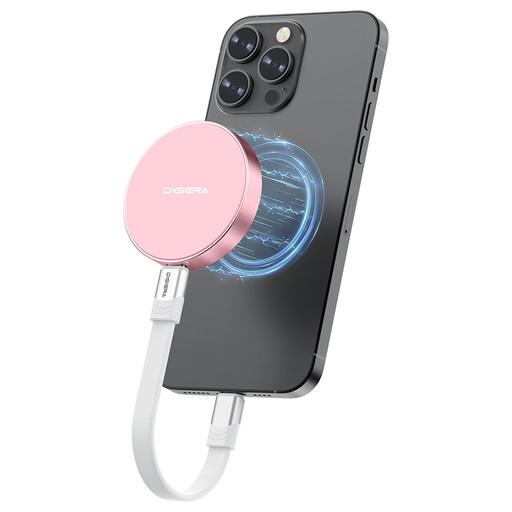 Image unavailable
DigiEra LPS2000M-3 magnetic portable SSD, 1 TB, pink
This is an option for carrying a local image copy with compatible equipment. The title lists USB 3.2 Gen 2x2 and transfers up to 2,000 MB/s; check host support before relying on that maximum. Confirm the file format if both Mac and Windows computers must write to it.
View on Joybuy
 Image unavailable
Western Digital My Passport Ultra portable HDD, 5 TB, blue
Consider this 5 TB portable HDD when keeping a larger offline image archive is the main task. Check the copying rate against your workflow rather than assuming an SSD-like transfer speed. For Mac use, confirm the required file format before copying; reformatting erases files already on the volume. Avoid moving the drive during transfers.
View on Joybuy
Questions about copying images offline
Can I keep a portfolio copy without cloud storage?
Yes. The UK National Cyber Security Centre includes external storage among ways to back up data, including when reliable internet access is unavailable. Keep the drive secure and retain the portfolio elsewhere too, rather than making the external drive its only location.
Should the backup drive stay plugged in?
Disconnect it when you have finished updating the copy. The UK National Cyber Security Centre advises against leaving an external backup device permanently connected because connected storage can also be affected by an infected computer.
Which format should I check for Mac-and-Windows image copies?
ExFAT is a format to consider when both Mac and Windows computers need to write to the drive: Apple identifies it as Windows-compatible. Check the requirements of the computers and apps you use, and move existing files elsewhere before reformatting because that erases the volume.
What if I also use Final Cut Pro on a Mac?
Treat a Mac creative-work drive and a cross-platform copy drive as separate format decisions. Apple recommends APFS for external storage used with Final Cut Pro, Motion and Compressor, whereas it identifies ExFAT as Windows-compatible for files that need to move between Mac and Windows.


