
24/7 Customer Support

Free returns

Same-day & Next-day Delivery

Quality Guaranteed

Unlock Your Welcome Offers: FREE Delivery | Up to 80% OFF | Free 30-day JoyPlus trial
Download the APP
A portable water flosser can make cleaning between teeth, around the gum line and near braces more convenient than traditional string floss. However, product listings often focus on impressive pressure figures and long battery claims while overlooking details that affect everyday usability.
Before buying a cordless water flosser, check how the tank, pressure controls, nozzle selection, charging system and waterproofing work together. A compact design is useful, but only if it still provides enough water for a complete cleaning session and is easy to keep hygienic.
A high-pressure water flosser may sound appealing, but maximum pressure is not suitable for every user. People with sensitive gums or who are new to an oral irrigator may find a powerful jet uncomfortable. The practical feature to look for is a useful pressure range with a genuinely gentle starting mode.
A cordless water flosser with three to five settings gives you more control than a model that only advertises one maximum figure. Begin at a low setting and increase it gradually if comfortable.
“Up to” battery figures depend on usage frequency, mode and session length. A rechargeable water flosser that lasts several weeks may still be inconvenient if it takes a proprietary charger or cannot be used while travelling.
For UK shoppers, USB-C charging is useful because the same cable may already power a phone, tablet or travel accessory. Also check whether the charging port must be completely dry before charging, particularly if the device is used near a sink or in the shower.
A travel water flosser with a 150ml tank may fit easily into a wash bag, but it can require a refill during a full-mouth routine. Larger tanks are more convenient at home, although they may add weight and take more space in luggage.
Tank design matters too. A detachable, wide-mouth reservoir is easier to rinse and dry than a narrow tank with difficult-to-reach corners. Emptying the tank after each use helps prevent stagnant water and odours.
Pressure is commonly shown in PSI, while pulse frequency indicates how often the water stream is delivered. These figures are useful for comparison, but they do not describe the complete user experience.
Look for:
A water flosser for braces should include an orthodontic nozzle or a suitable tip designed to guide water around brackets and wires. If you have implants, bridges, gum problems or recent dental treatment, follow your dental professional’s advice before changing your routine.
For regular home use, tanks around 260ml to 360ml offer a practical balance between capacity and portability. A 150ml tank is more suited to compact travel, quick use after meals or users who do not mind refilling.
Consider the complete packed size rather than the handle alone. A travel lock, leak-resistant tank, foldable body or storage pouch can prevent water escaping into a suitcase.
Waterproof ratings such as IPX6, IPX7 and IPX8 describe resistance under specific test conditions. They do not mean a product can be charged while wet or that every part should be submerged indefinitely.
In practical terms:
Always dry the charging port before connecting a cable. Use lukewarm water within the product instructions, empty the tank after use and rinse the nozzle regularly. Waterproofing makes cleaning easier, but it does not remove the need for routine maintenance.
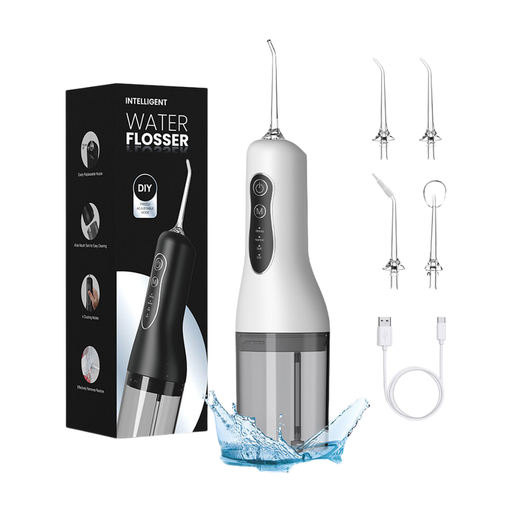
Why This Fits Their Persona: A straightforward rechargeable oral irrigator for shoppers wanting adjustable cleaning without a bulky worktop unit. Its 260ml detachable tank suits everyday bathroom use and short UK trips.
Four modes include Soft and DIY options, so the stated 60–140 PSI range does not force every session to use maximum pressure.
USB-C charging, smart memory function, 260ml detachable tank and IPX6 water resistance.
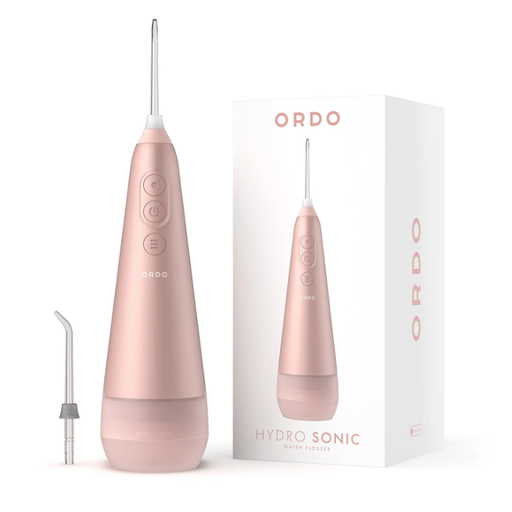
Why This Fits Their Persona: A more feature-led choice for users who want a refined cordless water flosser for home, work and regular travel, with specific controls for different cleaning preferences.
Its 80–160 PSI range is paired with three pressure settings, while the travel lock addresses leakage during transport.
260ml tank, USB-C charging, IPX7 waterproof design, on-demand mode and 360° nozzle rotation.
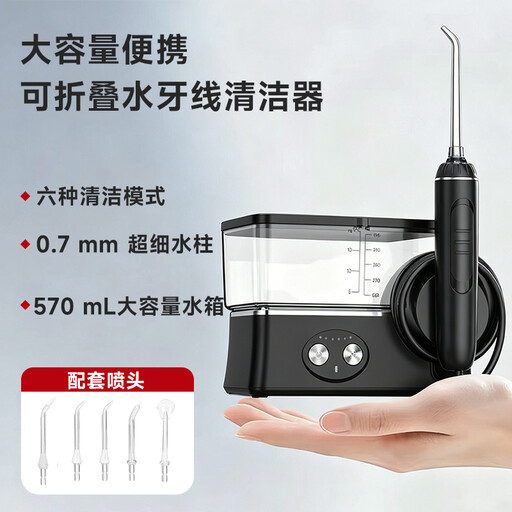
Why This Fits Their Persona: The larger format is suited to households, frequent users or anyone who prefers fewer refills over minimum luggage size.
The 570ml tank reduces the need for repeated refilling, while six modes and five spray heads provide more configuration for regular use.
2500mAh battery, six cleaning modes, five spray heads and IPX7 waterproofing.
Fill the tank with clean, lukewarm water and attach the selected nozzle securely. Lean over the sink, place the tip in your mouth before switching the device on and guide it slowly along the gum line and between teeth. Keep your lips slightly open so water can flow into the sink.
Start with the soft setting, particularly if you have sensitive gums. Do not aim the stream at your eyes, ears, nose or throat and do not use the device while charging. A water flosser should complement regular brushing and any interdental cleaning routine recommended by your dentist.
We have compiled a complete, real-time list of products that fully satisfy these strict selection criteria and UK safety regulations.
Many models include orthodontic nozzles and adjustable pressure settings that can help guide water around brackets and wires. Check the supplied accessories and follow your orthodontist’s instructions, especially if your gums are sore or treatment is recent.
Battery life varies by mode, session length and charging habits. Product specifications in this range state approximately 30 to 120 days of use or several weeks per charge. Treat these as usage-dependent estimates and check the charging time, cable type and warranty before purchasing.
A portable electric water flosser uses a relatively small tank per session, typically between 150ml and 570ml among the products listed here. USB charging also avoids keeping a mains-powered worktop unit connected, but the device should never be operated while charging.