
24/7 Customer Support

Free returns

Same-day & Next-day Delivery

Quality Guaranteed

Unlock Your Welcome Offers: FREE Delivery | Up to 80% OFF | Free 30-day JoyPlus trial
Download the APP
A portable air conditioner can offer flexible cooling without the cost or disruption of fixed installation. It may suit renters, students, homeowners and small offices that need to cool a bedroom, living room or home office during warmer weather.
However, comparing a mobile air conditioner by headline BTU figures alone can lead to an unsuitable purchase. The most useful choice depends on room size, exhaust arrangements, noise expectations, running costs and whether the included accessories work with your windows.
A 12000 BTU portable air conditioner is not automatically suitable for every room. Higher capacity can be useful in larger or warmer spaces, but the unit still needs effective ventilation and sufficient airflow. A smaller room may be adequately served by a 6000 BTU portable air conditioner or 9000 BTU portable air conditioner, depending on insulation, sunlight and occupancy.
BTU ratings should therefore be considered alongside the manufacturer’s recommended room area, cooling input power and installation requirements.
Most portable air conditioning units require an exhaust hose to vent warm air outside. Without this arrangement, the appliance cannot remove heat effectively in cooling mode. Check whether the package includes a window kit, sealing accessories and a suitable hose before ordering.
Also measure the opening of your window. Many kits are designed for common sash or sliding-window arrangements, but compatibility is not universal. A poor seal can allow warm air back into the room and reduce cooling performance.
Cooling and dehumidifying can produce collected water. Some appliances use automatic evaporation in certain conditions, while others may require a drainage hose. A unit with a full-water protection function can be useful, but it does not remove the need to read the drainage instructions.
Portable units are also not lightweight appliances. A 28kg model with castors may be movable across a level floor, but carrying it upstairs is a different matter. Check the dimensions, handles and storage location before purchasing.
Use the product’s stated cooling capacity as a starting point:
These are general comparisons rather than guarantees. A south-facing room, poor insulation, high ceilings or several heat-producing appliances may require more capacity. Conversely, oversizing can increase purchase and running costs without improving comfort proportionally.
A product marketed as an energy-efficient air conditioner should still be checked for its actual electrical input. For example, one listed 12,000 BTU model specifies a cooling input power of 1,337W, while the 9,000 BTU model lists 995W.
A simple running-cost estimate is:
Power input in kW × hours used × your electricity tariff = estimated electricity cost
The actual figure depends on thermostat cycling, fan speed, room conditions and your tariff. A 24-hour timer can help prevent unnecessary operation, while an automatic temperature sensor may reduce compressor use when the room reaches the selected setting.
Several listed models use R290 refrigerant, also known as propane refrigerant. R290 is flammable, so follow the appliance instructions carefully: do not puncture or incinerate the unit, keep it away from ignition sources and arrange servicing only through appropriately qualified technicians.
Do not use an air conditioner in a bathroom or near standing water unless the manufacturer specifically permits it. Check the stated ingress protection rating, keep air vents clear and connect the unit to a properly earthed socket. Avoid extension leads and multiway adapters where the instructions prohibit them.
Useful everyday features include:
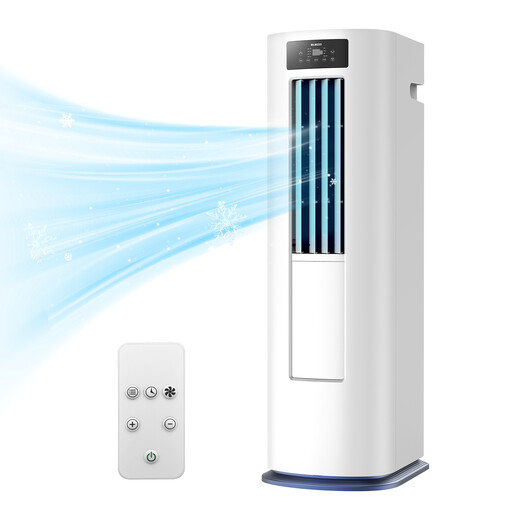
Why This Fits Their Persona: A compact-capacity option for renters, students or smaller rooms where a 12000 BTU appliance may be unnecessary. It includes remote control, a 24-hour timer and a window mount kit.
The listed package includes window mounting accessories, while automatic water-full protection helps address routine drainage concerns. Confirm window compatibility before purchase.
6000 BTU cooling capacity; cooling, dehumidifying, ventilating and drying modes; R290 refrigerant and 24-hour timer.
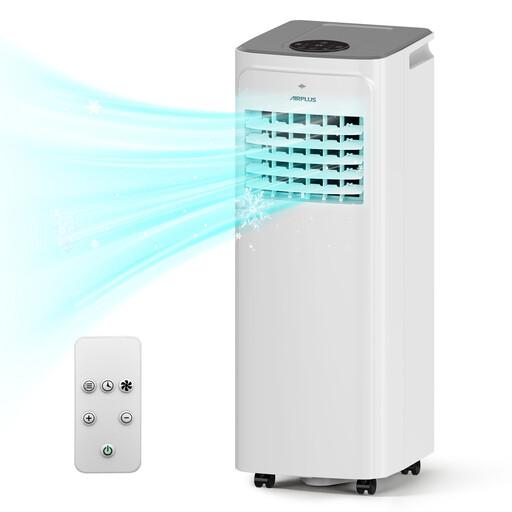
Why This Fits Their Persona: Suitable for shoppers seeking a balance between room coverage and manageable power input for a bedroom, office or living space up to approximately 30 m², subject to room conditions.
The listing provides 995W refrigeration input power, R290 refrigerant details, an IPX1 rating, a window kit and specific safety instructions for venting and electrical use.
9000 BTU/h capacity; four operating functions listed; remote control and 24-hour timer; dimensions of 301 × 339 × 832mm.
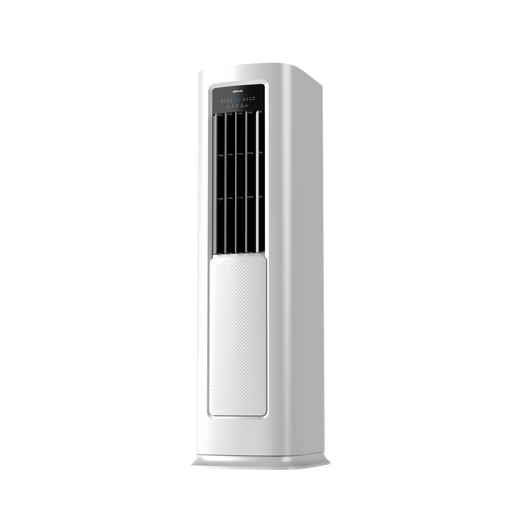
Why This Fits Their Persona: Designed for users who need stronger cooling in a larger living room, sun-facing space or busy home office and want several controls in one appliance.
The supplied exhaust hose, window isolation kit and drainage hose address key installation requirements. Its stated temperature range is 16°C–30°C, allowing adjustable settings rather than fixed cooling.
12000 BTU and 3500W stated cooling capacity; four fan speeds; automatic horizontal and vertical air swing; 24-hour timer and remote control.
Place the unit close to a suitable window while leaving clearance around the air intake and vents. Keep the exhaust hose as short and straight as practical, since sharp bends can restrict airflow. Secure the window kit firmly and inspect the seal before switching to cooling mode.
Allow the appliance to stand upright for the period specified in its instructions after delivery or relocation. Clean filters at the recommended intervals, empty drainage containers when required and store the unit dry at the end of the cooling season.
We have compiled a complete, real-time list of products that fully satisfy these strict selection criteria and UK safety regulations.
Usually, yes. Cooling models need an exhaust hose vented outdoors to remove warm air. A window kit can help create a seal, but check whether it suits your specific window style before ordering.
Running cost depends on the appliance’s power input, usage time and electricity tariff. Multiply the input in kilowatts by the number of operating hours and your tariff rate. Using the timer and a moderate temperature setting may help avoid unnecessary operation.
Lifespan depends on usage, filter cleaning, storage and correct ventilation. Keeping the exhaust hose unobstructed, avoiding water exposure and following the manufacturer’s maintenance and refrigerant safety instructions can support reliable operation.