Occasional shared-kitchen compote maker
If the worktop needs to be clear for other people, a hob that can be put away after use is worth considering. Leave room for the hot appliance to cool before moving or storing it.


For occasional batches of apple compote, a portable induction hob makes sense if you need to clear the shared worktop afterwards and have a compatible magnetic saucepan. A fitted ceramic hob is an option when a permanent cooking area and freedom from induction’s magnetic-pan requirement matter more; check the available space, permission to install it and the electrical requirements before choosing one. Whichever format you consider, look for adjustable low settings and plan to stay nearby while the fruit cooks.
If the worktop needs to be clear for other people, a hob that can be put away after use is worth considering. Leave room for the hot appliance to cool before moving or storing it.
A magnetic saucepan makes portable induction a practical option, provided its base meets the chosen hob’s size requirements. Check the exact appliance’s surface and cleaning instructions rather than assuming it will remain cool.
A fitted two-zone hob may suit a shared kitchen with space for a permanent installation. Worktop dimensions, electrical requirements and precautions around residual heat become part of the decision.
Start with the saucepan and whether the worktop can accommodate a portable or fitted hob. Then compare heat controls and make sure the proposed position allows safe, attended cooking.
| Concern | What to check | Who this matters to |
|---|---|---|
| Gentle heat | Check the available low power or temperature settings and whether a timer can serve as a reminder. Keep watching the pan. | If I am simmering a small batch of fruit, I want to adjust the heat as it cooks rather than rely on maximum power. Around 25% of consumers put gentle-heat control first. |
| Shared worktop space | Measure the appliance and storage space. For a fitted hob, check the required cut-out and installation conditions. | When other people need the worktop, I want to clear my cooking equipment after use; around 25% of consumers make space their primary concern. |
| Pan fit and clean-up | For induction, test whether the pan base is magnetic and check its diameter against the hob manual. Compare surface-cleaning instructions. | I want to use my existing saucepan and deal with fruit splashes without overlooking a hot surface. Pan compatibility and clean-up come first for around 25% of consumers. |
| Electrical and cooking safety | Check the appliance’s electrical requirements against the intended socket or installation. Keep leads clear of water and do not overload or daisy-chain extensions. | In a busy shared kitchen, I need a suitable electrical connection and a way to keep track of the cooking pan; around 25% of consumers prioritise these safety checks. |
Judge says its portable JEA90 induction hob needs magnetic cookware with a base of at least 12 cm. An existing compote pan may not meet both conditions.
Test the pan base with a magnet and compare its diameter with the manual for the exact hob you intend to buy.
The electriQ eiQC30P is a two-zone ceramic hob that requires a 270 × 490 mm worktop cut-out, despite being described as plug-in.
Check the worktop and electrical requirements, and confirm that a permanent installation is permitted in your shared kitchen.
Electrical Safety First warns that overloaded extensions and adaptors can overheat and create a fire risk.
Use a suitable wall socket where possible. If an extension is necessary, check its marked rating, use no more than one extension device per socket and never connect extensions to each other.
A timer or automatic shut-off does not replace watching fruit as it cooks or managing a hot surface in a shared space.
Stay nearby, use a timer as a reminder and follow the appliance instructions when switching off and cleaning.
The portable JEA90 is a reference point for checking whether an existing saucepan will work with induction.
Tefal UK lists portable induction models for shoppers considering a hob that can be moved between uses.
The eiQC30P illustrates the space and installation checks involved in choosing a fitted two-zone ceramic hob.
These choices cover a portable induction hob for clearing the worktop after occasional cooking and built-in hobs for kitchens where a permanent cooking area is suitable. Check the intended saucepan and installation requirements for each model.
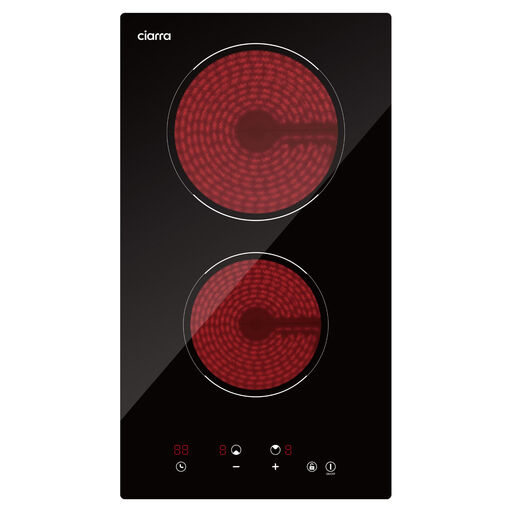 Image unavailable
Consider this model if the shared kitchen can accommodate a permanent two-zone cooking area. Its name specifies nine power levels, touch control, a timer and a child lock. Confirm permission and the required cut-out before installation, and let the surface cool before cleaning.
 Image unavailable
The portable format suits occasional cooking when the shared worktop must be cleared afterwards. The product name specifies six functions and a safety lock. Use a compatible magnetic saucepan, check whether its base meets the model’s requirements, and confirm timer availability if you want a cooking reminder. Allow the glass panel to cool before cleaning or storage.
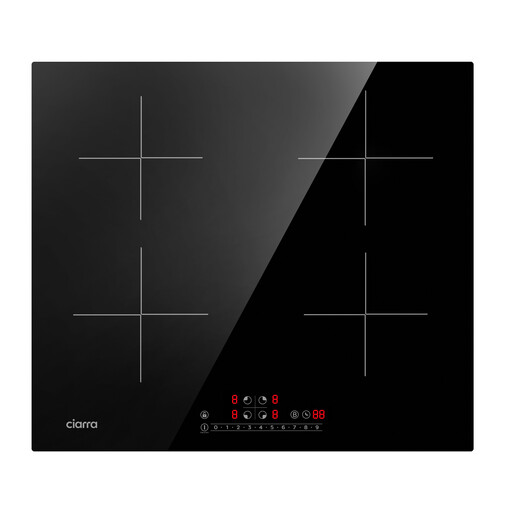 Image unavailable
This built-in option is for a kitchen where a permanent four-zone hob is appropriate, rather than a worktop that must be cleared after compote cooking. Its name specifies nine power levels and touch control. Check magnetic-pan compatibility, installation permission and electrical requirements; let the surface cool before cleaning.
It will work only if the pan meets that hob’s cookware requirements. Judge’s JEA90 manual requires a magnetic base at least 12 cm across; testing whether a magnet sticks to the base is a useful first check, followed by the exact model’s pan-size instructions.
Neither format removes the need to supervise cooking and keep electrical equipment clear of water. Judge describes the plate around a compatible pan on its JEA90 induction hob as relatively cool, while the electriQ eiQC30P ceramic-hob listing warns that its surface gets hot and cools slowly. Follow the surface precautions for the particular model you choose.
Only use one if the appliance load is within the extension’s marked rating and the appliance instructions permit the arrangement. Electrical Safety First advises against overloading or daisy-chaining extensions and says cable reels should be fully unwound during use.
Wait until the surface has cooled as required by the appliance instructions, then use the specified cleaning method. Keep water out of electrical parts and do not handle electrical equipment with wet hands.
Yes, check current UK recall information for the exact model before buying and keep its details for future checks. Electrical Safety First points consumers to the Office for Product Safety and Standards for current recall information.