For writing lesson handouts at a shared desk, choose a keyboard whose physical layout, connection method and typing sound suit both your device and the people nearby. A compact Bluetooth model can work for occasional writing if the device supports it; consider a covered model for frequent carrying or wired and 2.4 GHz options when connection flexibility matters. For longer sessions, leave room for a workable typing position rather than relying on keyboard choice alone.
Who these keyboards suit
Shared-desk lesson writers
If you edit handouts near colleagues or students, key sound, desk footprint and straightforward pairing may matter more to you than a desktop-sized layout. Logitech describes quiet keys on its Pebble Keys 2 K380s; check the sound of the exact keyboard you intend to buy.
Teachers moving between workspaces
If your keyboard travels between classrooms, home and hot desks, consider how it fits in your bag and whether its keys are protected. Logitech’s Keys-To-Go 2 has a built-in cover, but its key layout still needs to suit the amount you write.
Shortcut-heavy, multi-device writers
If you move between a computer, tablet and phone, or use shortcuts extensively while assembling documents, compare device switching, connection modes and key layout. Keychron lists wired, 2.4 GHz and Bluetooth modes and QMK remapping for the K3 Max UK-ISO model.
What matters when choosing
Check the keyboard against the device and shared desk you will actually use, then weigh carrying convenience against the keys you need for drafting.
| Concern | What to check | Who this matters to |
|---|
| Typing sound |
Check the exact model’s key or switch description; a quiet-key claim is not a comparable noise measurement. |
If I write beside colleagues, I want to avoid disturbing them without giving up a usable keyboard. Around 25% of consumers put quiet shared-desk typing first. |
| Carrying and protection |
Compare dimensions and weight, and check whether a protective cover is built in or separate. |
Moving between classrooms and hot desks makes an exposed or awkward-to-carry keyboard inconvenient. For around 31% of consumers, easy carrying and protection are the primary concern. |
| Connection and switching |
Confirm that the host supports Bluetooth, or check the required port and accessories for wired or 2.4 GHz use. Check how many devices the exact model can switch between. |
When I alternate between work and personal devices, I need a connection that fits each one without disrupting a writing session. Around 25% of consumers prioritise connection flexibility. |
| Layout and typing setup |
Check UK key placement where needed, the presence of a number pad or dedicated navigation keys, and the space available in front of the keyboard. |
For longer handout drafts, I need the right keys and room to position the keyboard comfortably. A usable layout and typing setup come first for around 19% of consumers. |
Buying pitfalls
-
Assuming a portable keyboard has a UK layout
Key legends and placement can differ, while compact layouts may omit dedicated keys used in document editing.
Check the listing’s layout photographs and specifications for British English or UK-ISO where required, as well as any number pad, navigation keys or function row you rely on.
-
Choosing Bluetooth-only before checking the computer
A Bluetooth keyboard needs a compatible host. Microsoft Support says a Windows device must have Bluetooth to pair with one.
Check the workspace computer before buying; if Bluetooth is unavailable or restricted, consider a keyboard with a connection mode the computer can use.
Using a Bluetooth-only keyboard with a computer that lacks Bluetooth may require a compatible USB Bluetooth adapter.
-
Treating ‘quiet’ as a measured comparison
Logitech’s quiet-key description for the Pebble Keys 2 K380s does not establish how it sounds beside another model. Mechanical-keyboard sound can also depend on the selected switch.
Check the exact version, seek relevant independent feedback and review the applicable return terms before relying on a sound claim.
-
Expecting a keyboard alone to fix a poor workstation
The Health and Safety Executive’s display-screen guidance considers keyboard use as part of the wider workstation arrangement.
For regular longer sessions, allow space in front of the keyboard to rest your hands and wrists, and consider the desk, screen and chair arrangement too.
Brands to consider
These brands provide useful model-specific features or compatibility guidance; the right choice still depends on the exact keyboard and device.
Logitech
Relevant to compact Bluetooth keyboards for device switching or frequent carrying.
- Logitech describes the Pebble Keys 2 K380s as compact and quiet and says it can switch among three devices. Its Keys-To-Go 2 has a built-in cover.
- Confirm the exact physical layout and key set; the manufacturer descriptions are not independent comparisons of typing sound.
Keychron
Relevant when connection modes and configurable shortcuts matter more than the simplest Bluetooth setup.
- Keychron specifies a 75% layout, wired, 2.4 GHz and Bluetooth connections, and QMK remapping for the K3 Max UK-ISO model.
- Check the selected switch and its sound for shared-desk use, along with the availability of the exact UK-ISO configuration.
Apple
Relevant to a handout workflow based on a compatible Mac, iPad or iPhone.
- Apple lists a British-English Magic Keyboard with Bluetooth and USB-C charging.
- Check the specified device and operating-system compatibility rather than assuming it suits a Windows-first workspace.
Microsoft
A compatibility reference for using a Bluetooth keyboard with a Windows computer.
- Microsoft Support confirms that the Windows device needs Bluetooth to pair with a Bluetooth keyboard.
- That pairing guidance does not establish the sound, portability or suitability of a particular keyboard.
Joybuy keyboard choices
These keyboards offer different ways to prepare handouts, from a folding design to layouts with more keys. Compare each model’s physical layout, connection method and carrying size with your shared desk and writing routine; do not assume that a compact shape means quiet typing.
 No image available
Hyper HyperSpace Next Bluetooth Keyboard, UK, White
Consider this UK-labelled Bluetooth model if you move between writing devices and have room for its keyboard layout. Check its typing sound before choosing it for a desk beside colleagues.
View on Joybuy
 No image available
AULA F99 Tri-Mode Keyboard, US Layout, Light Blue/Reaper Switch Listing
Consider this model if connection alternatives matter during document work, but check that its US key layout suits you. The title lists wired, Bluetooth and 2.4G modes; confirm the fitted switch before judging its feel or sound.
View on Joybuy
 No image available
ASUS ROG Strix Scope II 96 Wireless Keyboard, UK Layout, Black
Consider this UK-layout option if you want the Scope II 96 key arrangement for drafting and can accommodate its size when carrying it. Confirm the selected switch and typing sound before using it beside colleagues.
View on Joybuy
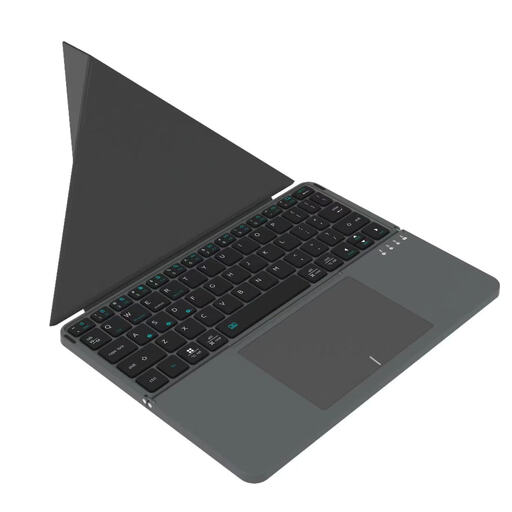 No image available
VoxorAI BOX1 Bluetooth Keyboard, Black
Consider this Bluetooth keyboard if carrying it between workspaces is a priority. Check the physical key layout and typing sound against the amount of handout writing you plan to do.
View on Joybuy
 No image available
Lofree OE907 65% Keyboard, US Layout, Jellyfish Switches, Mouse Offer
Consider its compact key layout for a limited shared desk if you can work without the dedicated keys of a larger keyboard. The title lists 68 keys, Bluetooth 5.1 and a wired mode; confirm the exact bundle, layout and typing sound before buying.
View on Joybuy
Common questions
Does my laptop need Bluetooth for a Bluetooth keyboard?
Yes, the host needs Bluetooth to pair with a Bluetooth keyboard. Microsoft Support confirms this for Windows devices; if yours lacks Bluetooth, check whether a compatible USB Bluetooth adapter or a keyboard with another connection mode would work.
Is a compact keyboard practical for writing lesson handouts?
It can be if you mainly type text and do not depend on keys that the compact layout omits. Check the exact model for a number pad, navigation keys and any function-layer shortcuts you use while editing.
How should I dispose of an old wireless keyboard or its batteries?
Use an appropriate electrical or battery collection point rather than household rubbish. GOV.UK advises this for electrical products and batteries marked with the crossed-out wheelie-bin symbol; separate removable batteries for battery recycling where appropriate.


