Portrait painters with an existing tablet
If you already own an iPad or Galaxy Tab, the exact model determines which Apple Pencil or S Pen you should consider. Check compatibility before comparing drawing features.


Start with the device you will draw on: Apple Pencil requires a supported iPad, an S Pen needs a compatible Galaxy Tab, and a Wacom One pen display needs a compatible connected device. For portraits, check the pen controls your drawing app can use, then make sure the screen can sit securely at a comfortable height and reach while you stand.
If you already own an iPad or Galaxy Tab, the exact model determines which Apple Pencil or S Pen you should consider. Check compatibility before comparing drawing features.
If line weight, shading and tool changes shape your choice, compare the specific pen inputs available on a compatible device and check whether your drawing app uses them.
If you stand for sustained drawing sessions, screen support, reach and reflections matter alongside the stylus. The Health and Safety Executive advises arranging a display so your shoulders can stay relaxed.
Choose the device setup first, then compare the pen inputs and screen position that matter to your portrait workflow.
Consider it when: You have a supported iPad and want to draw directly on its screen.
Check first: Apple Pencil Pro and Apple Pencil (USB-C) have different controls and model requirements; neither is compatible with every iPad.
Consider it when: You use a compatible Galaxy Tab and want pen input directly on the tablet.
Check first: S Pen compatibility and whether one comes with the tablet depend on the exact model.
Consider it when: You want a dedicated screen for drawing with a compatible computer or other supported host device.
Allow for: The host connection, desk space and a stand; this is not a standalone tablet.
| Concern | What to check | Who this matters to |
|---|---|---|
| Exact compatibility | Match the pen to the full tablet model and operating-system requirements, or check the host device and connection for a pen display. | If I already have a drawing device, I need a pen that will work with that exact setup before its extra controls matter. Around 31% of consumers put compatibility first. |
| Portrait stroke control | Compare verified pressure, tilt and shortcut inputs for the exact pen, then check support in your intended drawing app. | When I vary line weight and shading or switch tools frequently, I want the app to respond to the inputs I plan to use. Roughly 25% of consumers prioritise stroke control. |
| Standing-desk position | Plan a stable screen angle and reach, with room to adjust height and reduce reflections. | If the screen sits too low or too far away, I may end up reaching or raising my shoulders while drawing. Around 25% of consumers put a comfortable standing setup first. |
| Connected-display workflow | Check the host connection, driver requirements, stand and available desk space before choosing a pen display. | If my portraits are part of a computer-based workflow, I want to draw on a dedicated screen and can accommodate the connected setup. Roughly 19% of consumers make that workflow their primary concern. |
Apple Pencil support depends on the iPad model. A Wacom One single-cable setup also depends on a suitable host connection.
Check the complete tablet or host-device model, operating system and port specifications before ordering.
A drawing screen still needs stable support, enough desk space and a workable cable route at standing height.
Plan the screen angle and support before choosing a computer-connected display.
Wacom sells the Wacom One stand separately. A separately sold Converter Kit is needed for the specified connection setup when the host lacks DisplayPort Alt Mode.
The Health and Safety Executive identifies shoulder position, display placement and reflections as workstation considerations; standing alone does not set the drawing screen at a suitable height.
Use stable support, adjust the screen and working height, and arrange lighting so you can draw without shrugging or reaching awkwardly.
GOV.UK advises taking unwanted electrical products and batteries to an appropriate recycling collection point rather than putting them in household rubbish.
Use a suitable electrical-waste or battery collection point when replacing a stylus or drawing device.
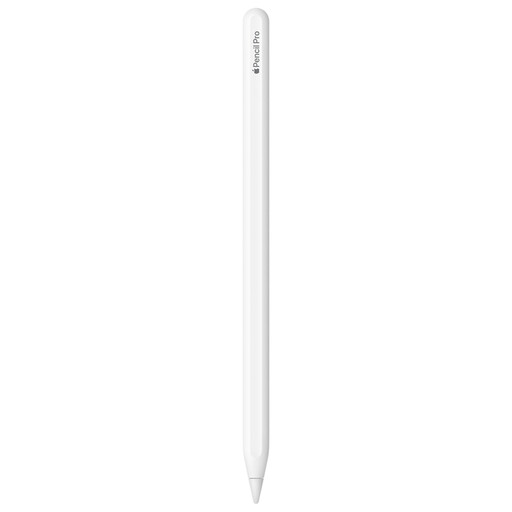
Apple Pencil is an iPad-specific route. Apple lists squeeze, barrel roll, hover and double-tap controls for Apple Pencil Pro; Apple Pencil (USB-C) offers tilt sensitivity and USB-C charging.
Samsung's S Pen is a drawing route for compatible Galaxy Tabs. Samsung describes its Tab S Pen as having 4,096 pressure-sensitivity levels.
Wacom One is a connected pen-display route for drawing directly on a dedicated screen. Wacom describes the DTC141 as having a 14-inch display, a battery-free pen, tilt recognition and two programmable pen buttons.
These choices cover Apple Pencil accessories for compatible iPads and a TECLAST tablet supplied with a stylus. Compare the exact device and pen arrangement you need before deciding how to position it at your standing desk.
 No image available
Consider this for portrait work on an iPad that supports Apple Pencil Pro if squeeze, barrel roll, hover and double-tap controls suit your app workflow. Apple describes these controls for this model; check your exact iPad before ordering.
 No image available
Consider this if you need a tablet and stylus together rather than a pen for a device you already own. Its product name specifies a 12.7-inch 2K display, an included stylus and 4,096 pressure-sensitivity levels; check that your portrait app uses the pen input and plan stable screen support for standing use.
 No image available
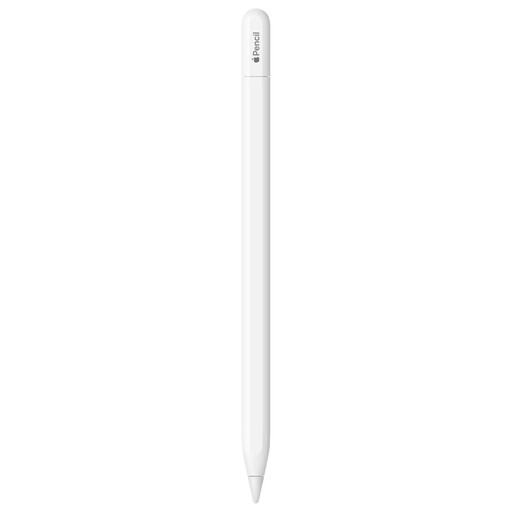
Consider this for sketching and portrait layout on a supported iPad when tilt input meets your drawing needs. Apple specifies USB-C pairing and charging; check your exact iPad, its iPadOS version and your app's pen-feature support.
 No image available
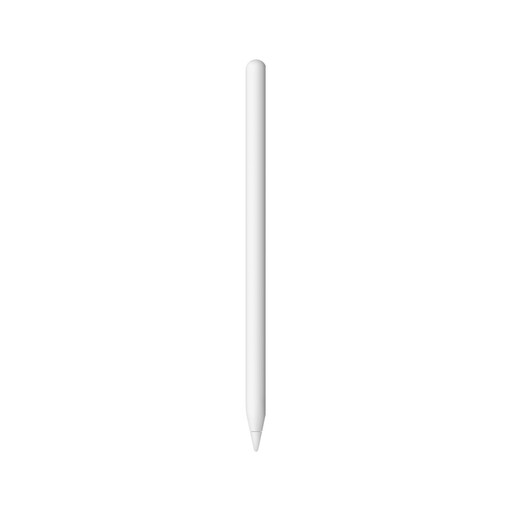
Consider this if you already use an iPad compatible with Apple Pencil (2nd Generation). Before choosing it for portrait work, confirm the supported iPad model and which tool controls your drawing app can use.
No: choose a pen supported by your exact tablet model. Apple Pencil compatibility varies by iPad, and Apple Pencil (USB-C) requires iPadOS 17.1.1 or later; S Pen compatibility and whether a pen is included vary by Galaxy Tab model.
Support the tablet or pen display securely where you can draw without awkward reaching or raised shoulders. The Health and Safety Executive advises keeping shoulders relaxed, placing the display in front of you and arranging lighting to limit reflections; adjust the setup to suit the drawing task.
A Wacom One pen display is a connected drawing screen, not a standalone equivalent to an iPad or Galaxy Tab. Wacom describes connections to a PC, Mac, Chromebook or compatible Android device; its specified single-cable setup needs a suitable Thunderbolt or DisplayPort Alt Mode connection, otherwise a separately sold Converter Kit is required.
Take unwanted electrical equipment and batteries to an appropriate recycling collection point rather than putting them in household rubbish, as GOV.UK advises. Check the collection point's instructions for the particular device and battery.