
24/7 Customer Support

Free returns

Same-day & Next-day Delivery

Quality Guaranteed

Unlock Your Welcome Offers: FREE Delivery | Up to 80% OFF | Free 30-day JoyPlus trial
Download the APP
Buying Portuguese wine online can be convenient, but attractive labels and vague tasting descriptions do not always tell you what is in the bottle. Whether you are choosing Portuguese red wine for a dinner, Portuguese white wine for seafood or Portuguese Port for a gift, a few practical checks can help you avoid paying for the wrong style.
This guide explains the key details to compare before buying, including grape varieties, alcohol content, bottle size, storage, food pairing and delivery considerations.
Vinho Verde means “green wine”, but the name refers mainly to the youthful, fresh character of the wine and its region of origin. It is commonly white, although Vinho Verde rosé and red styles are also available. Some white examples may have a subtle spritz, while others are still.
If you want a crisp wine for warm-weather drinking, seafood or light lunches, check that the product description identifies Vinho Verde DOC and states the grape blend or serving suggestion.
A Portuguese red wine may be fruity and soft without being sweet. Similarly, a pale Portuguese rosé wine can range from dry to gently off-dry. Descriptions such as “fruity”, “fresh” or “smooth” are useful, but they do not replace checking the grape varieties, alcohol percentage and regional designation.
For a more informed choice, look for:
A standard 75cl wine bottle contains around five 150ml glasses, depending on serving size. A fortified Port generally contains more alcohol than table wine, so it is usually served in smaller measures.
For example, the listed Taylor’s Late Bottled Vintage Port is 20% ABV and contains 15 UK units per 75cl bottle. By comparison, Este Vinho Verde is listed at 11% ABV, with approximately 8.25 units per bottle. Always check the physical label and product page, particularly when comparing mixed cases or unusual formats.
Portuguese wine includes a wide range of regional styles:
A regional designation is not a guarantee that the flavour will suit your meal, so combine it with the grape blend and tasting description.
Grape information helps you understand the likely character of a bottle. A blend containing Aragonez, Castelão and Touriga Nacional, as used in Porta 6 Vinho Regional Lisboa 75cl, may appeal if you prefer a ripe, fruity red style.
For white Vinho Verde, a blend of Loureiro, Trajadura and Arinto can provide aromatic citrus and apple-like notes with refreshing acidity. Those characteristics may work well with grilled fish, shellfish, salads and vegetarian dishes.
Alcohol percentage is important for matching a drink to the occasion. Also check the allergen statement: the listed products contain sulphur dioxide or sulphites, which must be declared under UK food labelling requirements.
Storage instructions vary by style, but unopened bottles should generally be kept away from heat and direct sunlight. Vinho Verde and rosé are usually intended to be enjoyed young and chilled. After opening, follow the label guidance and reseal the bottle securely.
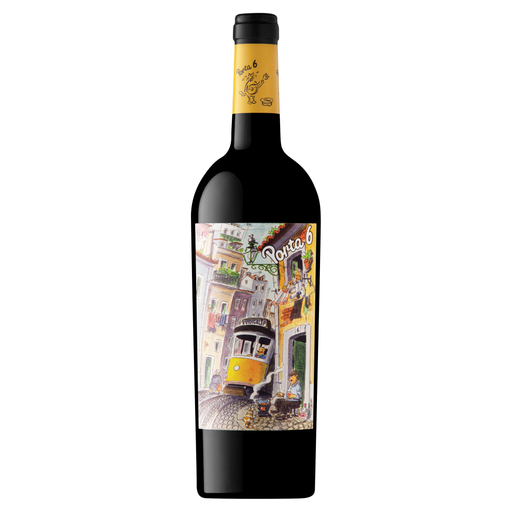
Why This Fits Their Persona: A practical option for shoppers seeking an approachable Portuguese red wine for everyday meals, casual hosting or a simple gift.
The listing identifies the regional style, three grape varieties and 13.5% ABV, giving more useful information than a colour-led label alone.
75cl bottle; blend of Aragonez, Castelão and Touriga Nacional; described as soft, ripe and fruity.

Why This Fits Their Persona: Suitable for shoppers looking for a named Port style to serve after dinner or present as a considered gift.
The listing clearly states that it is Late Bottled Vintage Port, made from a single year's harvest and ready to drink without decanting.
20% ABV; 15 UK units per bottle; listed pairing suggestions include cheese, dark chocolate and berry desserts.
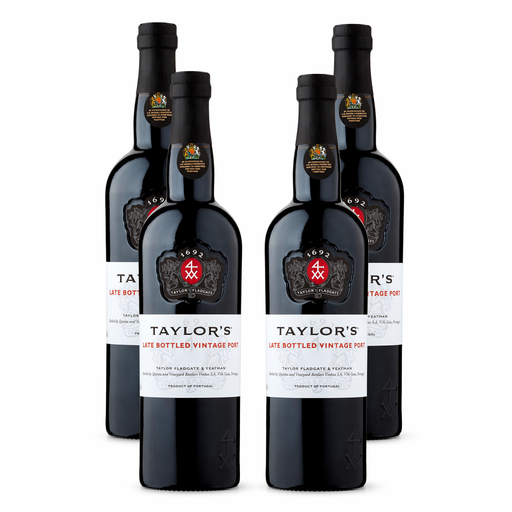
Why This Fits Their Persona: A case format may suit hosts planning several dinners, seasonal gifting or repeated cheese-and-dessert occasions.
The case listing makes the quantity format clear, helping shoppers compare the total purchase rather than assuming a single-bottle price.
Late Bottled Vintage style; no decanting required according to the listing; suitable for storage until planned occasions.
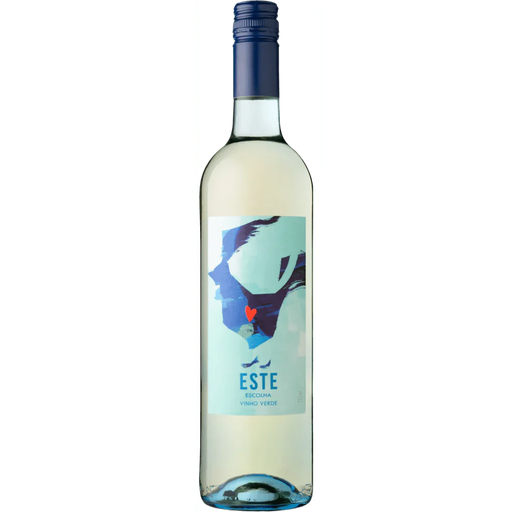
Why This Fits Their Persona: A useful match for anyone wanting Portuguese white wine for aperitifs, seafood, salads, sushi or informal gatherings.
The listing specifies Vinho Verde DOC, the Lima Valley sub-region, grape varieties and an 11% alcohol percentage.
Blend of Loureiro, Trajadura and Arinto; recommended serving temperature of 6–8°C; suitable for vegetarians and vegans according to the listing.
We have compiled a complete, real-time list of products that fully satisfy these strict selection criteria and UK safety regulations.
Use the meal as a starting point rather than relying only on the wine’s colour:
Serve white and rosé wines chilled. Port is often served in smaller glasses and should be opened and stored according to the label instructions.
Yes, provided you match the style to your preference. Vinho Verde is often a straightforward starting point for people who enjoy crisp, light wines, while a soft, fruity Lisboa red may suit those who prefer red wine with moderate intensity.
A 75cl bottle provides approximately five 150ml glasses. Actual servings vary, and fortified Port is normally poured in smaller measures because of its higher alcohol content.
Check the bottle size, ABV, grape varieties, region, allergens and delivery information before ordering. Alcohol purchases are restricted to adults aged 18 and over. Drink responsibly and note the UK Chief Medical Officers’ recommendation that adults should not regularly exceed 14 units per week.