What should you compare?
Start with the purpose of the snack, then compare like-for-like per-100g values and the nutrition in one biscuit.
| Priority | What to check | Your needs |
|---|
| Carbohydrate |
Read carbohydrate per 100g and for the portion you plan to eat. Tesco Groceries lists 63.6g per 100g for McVitie’s Original Digestives; Waitrose lists 12.2g per Shortbread Finger. |
If another demanding session is coming soon, I want to know what my snack contributes. The British Dietetic Association advises prompt carbohydrate-rich food and fluids when quick recovery is needed. |
| Fat and saturates |
Compare products on a per-100g basis before comparing individual biscuits. Tesco Groceries lists 21.3g fat and 10.1g saturates per 100g for McVitie’s Original Digestives; Walker’s Shortbread lists 30.3g and 18.9g for its Shortbread Fingers. |
I would prefer the less rich biscuit in this comparison, rather than assuming that either name tells me enough about its nutrition. |
| Portion and protein |
Check the per-biscuit panel, not just the pack size. Tesco Groceries lists 1.0g protein per original digestive; Waitrose and Sainsbury’s each list 1.2g per shortbread finger. |
For a more substantial snack, I would plan what else to eat rather than rely on one biscuit to provide much protein. |
| Ingredients |
Read the current ingredient list and allergen statement. Check wheat and milk declarations, plus any nut or oat cross-contact warning relevant to the product. |
Before I eat it, I need to know whether this particular biscuit suits my ingredient or allergen requirements. |
Digestive options on Joybuy
These Joybuy choices cover plain, sugar-free and chocolate digestive biscuits for the post-gym snack decision. Compare the current pack labels if carbohydrate, portion size or allergens determine your choice.
 No image available
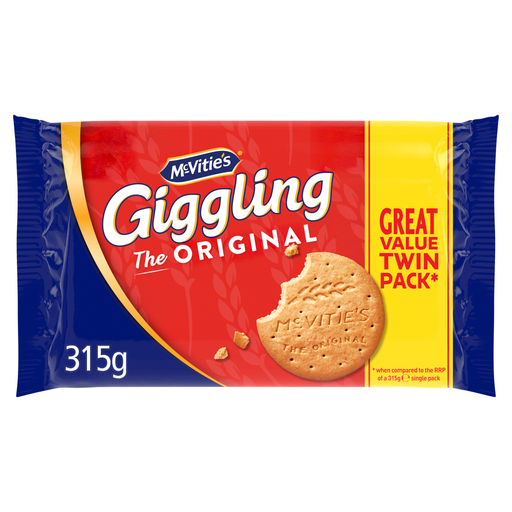
McVitie’s Digestives The Original 2x315g
A plain digestive option if you prefer that style of biscuit after exercise. Check this pack’s per-biscuit nutrition and allergen statement before deciding what portion suits your snack.
 No image available
Gullon Zero Sugar Free Original Digestives 400g
A sugar-free digestive variant. If that distinction matters to you, read the current ingredients and per-biscuit nutrition rather than assuming it matches a plain digestive in other respects.
 No image available
McVitie’s Digestives Milk Chocolate 400g
A milk chocolate digestive for someone choosing a biscuit as a treat after exercise. Compare its per-biscuit label with a plain digestive if nutrition or portion size affects your decision.
 No image available
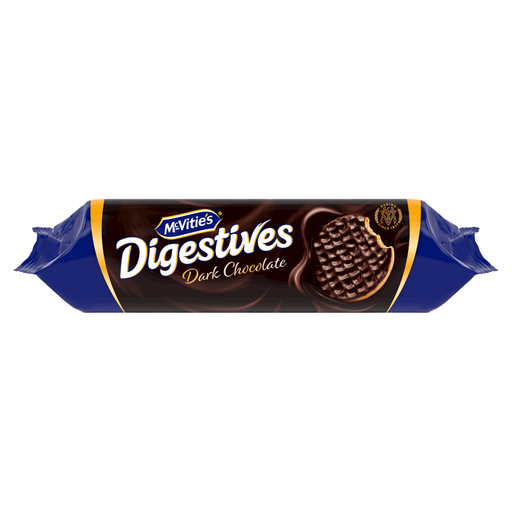
McVitie’s Digestives Dark Chocolate 400g
A dark chocolate digestive for a treat-focused choice. Check this variant’s portion information and ingredients rather than applying figures from the plain biscuit.
 No image available
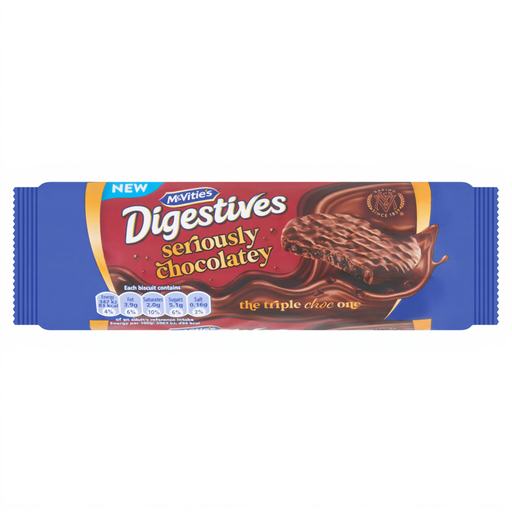
McVitie’s Seriously Chocolate Digestives 250g
A chocolate digestive variant for a biscuit-as-treat choice. Read its own nutrition and allergen label before comparing it with plain digestives or shortbread.
Common questions
Is a digestive always the better post-gym biscuit?
No. Tesco Groceries lists 21.3g fat and 10.1g saturates per 100g for McVitie’s Original Digestives, below the figures Walker’s lists for its all-butter Shortbread Fingers. That makes the plain digestive the less fatty choice between those products, but your portion and whether you need a more substantial snack still matter.
Can one biscuit be my whole post-gym snack?
It can be a small snack, but do not assume it provides much protein. Tesco Groceries lists 1.0g per original digestive, while Waitrose and Sainsbury’s each list 1.2g per shortbread finger. If you want a more substantial snack, plan what else you will eat and drink.
Must I eat a biscuit straight after every workout?
No. The British Dietetic Association’s advice to begin carbohydrate-rich food and fluids promptly applies when quick recovery is required. Whether a biscuit is useful depends on the session, what comes next and the rest of your food that day.
Which allergens should I check?
Check the current pack for wheat, milk and any cross-contact warning. The listed McVitie’s Original Digestives contain wheat and may contain milk; the all-butter shortbread examples contain wheat and milk. Waitrose notes possible nuts, while Sainsbury’s warns that its Highland fingers are unsuitable for people with nut or oat allergies because of manufacturing methods.
Does an HFSS label mean these biscuits are banned from UK school meals?
No blanket UK-wide conclusion follows from the biscuit type or an assumed HFSS status. Department for Education guidance sets out requirements for food supplied in state-funded schools in England, while the Department of Health and Social Care describes nutrient profiling as a separate product-classification process. School caterers need to check the applicable standards and the particular food and menu context.


