Choose flavoured crisps for the taste and crunch, not as the whole snack when you want carbohydrate and protein after training. University College London Hospitals NHS Foundation Trust describes both nutrients as useful in an exercise snack; if that is your aim, check the protein in the portion you will eat and consider having crisps alongside a protein-containing food. Salt, pack size and flavour-specific allergens can change which crisp suits you.
Who is this choice for?
Gym-goers who want something savoury
If you fancy crisps after training, decide whether you also need a snack containing carbohydrate and protein. University College London Hospitals NHS Foundation Trust identifies both in its exercise-snack guidance; a crisp can be the crunchy part of that snack rather than the whole of it.
Shoppers keeping track of salt
Sharp flavours need not have the same salt figure from one product to another. Compare the amount in the bag or serving you expect to eat. The NHS advises adults to have no more than 6g of salt a day.
Shoppers checking dietary suitability
Check the exact flavour and its current ingredient and allergen statement. A vegan or gluten-free statement on one crisp does not establish that every seasoning in a range meets the same requirement.
What should you compare?
Start with the amount you are likely to eat, then compare its nutrition figures and ingredient statement. A per-100g figure is useful for comparing products, but the pack or serving figure tells you what your portion contains.
| Priority | What to check | Your needs |
|---|
| Post-gym snack |
Check carbohydrate and protein for the portion you will eat. University College London Hospitals NHS Foundation Trust describes carbohydrate-and-protein snacks in its exercise guidance; a crisp’s protein figure alone does not establish that it meets your needs. |
I want something savoury after training, but I also need to decide whether to have a separate carbohydrate-and-protein snack or food alongside it. |
| Portion size |
Find the pack or stated serving size before comparing fat, protein and salt. Check how many servings are in a larger bag. |
A small bag suits me when I want a defined portion; with a sharing bag, I would decide how much to serve. |
| Salt |
Compare salt per pack or intended serving as well as per 100g. The NHS advises adults to have no more than 6g of salt daily. |
For a strongly seasoned crisp, I want to know how much salt my portion adds to the rest of the day’s food. |
| Ingredients |
Read the statement for the exact flavour, including highlighted allergens and any may-contain wording. Check dietary labels on that product rather than assuming they apply across a range. |
If I avoid an ingredient or need a particular dietary label, the flavour-specific pack matters more than the brand name. |
Common buying mistakes
-
Treating a crisp’s protein figure as the whole answer
Tyrrells lists 3.9g protein per 30g serving of its Sweet Chilli & Red Pepper Lentil Crisps. That figure describes the serving, not whether crisps alone meet your post-training needs.
If carbohydrate and protein are your reason for snacking after exercise, choose foods that provide both and add crisps if you want their flavour and crunch.
-
Looking only at figures per 100g
The amount in a bag can matter more to your immediate choice. Seabrook lists 0.8g salt in a 31.8g bag of Sea Salt & Vinegar crisps.
Compare the figures for the portion you plan to eat, then consider that salt alongside the rest of your day’s food.
-
Letting one reduced-content claim decide
A claim about fat or salt does not tell you the product’s protein, portion size or allergen information.
Check the actual figures on the pack and compare the feature that matters to you, rather than treating one label claim as a judgement on the whole snack.
-
Assuming the flavour name reveals dietary suitability
Seasonings can change a crisp’s ingredients, so suitability cannot be established from its base ingredient or flavour name alone.
Read the current ingredient, allergen and may-contain statements for the exact flavour before buying.
Brand and range references
These examples help distinguish pack figures and flavour-specific claims; they do not describe every product made by each brand.
Walkers
Walkers offers oven-baked and flavoured potato-crisp options with different pack figures.
- Walkers lists 2.8g fat, 1.3g protein and 0.19g salt in a 22g pack of Oven Baked Sea Salt.
- Those figures apply to Oven Baked Sea Salt, not to every Walkers flavour or multipack.
Tyrrells
Tyrrells’ Sweet Chilli & Red Pepper Lentil Crisps offer a pulse-based choice to compare with potato crisps.
- Tyrrells lists 3.9g protein per 30g serving.
- The same serving lists 5.7g fat and 0.63g salt; consider the whole portion, not protein alone.
KETTLE Chips
Dietary statements need checking against the particular KETTLE Chips flavour.
- KETTLE Chips labels its Sea Salt & Crushed Black Peppercorns product suitable for vegans and vegetarians and gluten-free.
- Do not extend those statements to a different seasoning without reading its pack.
Seabrook
Seabrook’s Sea Salt & Vinegar bag provides an example of why pack-level figures matter.
- Seabrook lists 9.1g fat and 0.8g salt per 31.8g bag.
- Check whether that bag is the portion you intend to eat before comparing it with another size.
McCoy's
McCoy's Original Salted provides per-100g figures for comparing nutrition labels.
- McCoy's lists 6.6g protein per 100g of Original Salted.
- The same label lists 32g fat and 1.3g salt per 100g; check the pack size to understand your portion.
REAL Hand Cooked Crisps
REAL Hand Cooked Crisps describes its range as vegetarian and gluten-free.
- The range-wide dietary statements come from REAL Hand Cooked Crisps.
- Check the current ingredients and allergens of the flavour you choose; those statements do not establish that it is free from every allergen.
Joybuy product options
These options include flavoured crisps, lentil chips and crisp-style snacks for someone considering a savoury post-gym bite. Compare their stated pack sizes and check the label for the portion you intend to eat; none should be assumed to provide a complete carbohydrate-and-protein snack on its own.
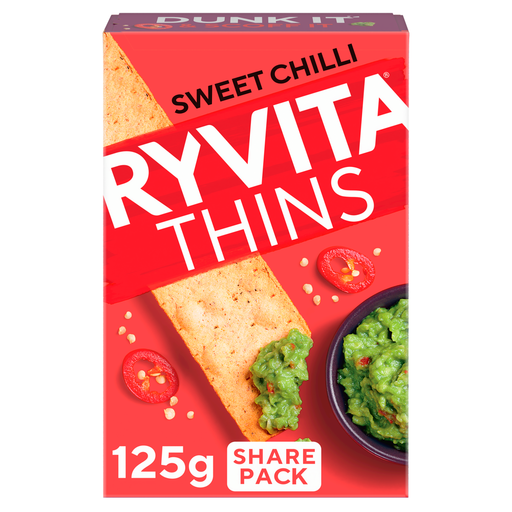 Image unavailable
Ryvita Thins Sweet Chilli 125g
For a sweet chilli snack, decide on a serving from the 125g pack and check its protein and salt figures against the amount you will eat. Read the ingredient statement if you need to avoid particular allergens.
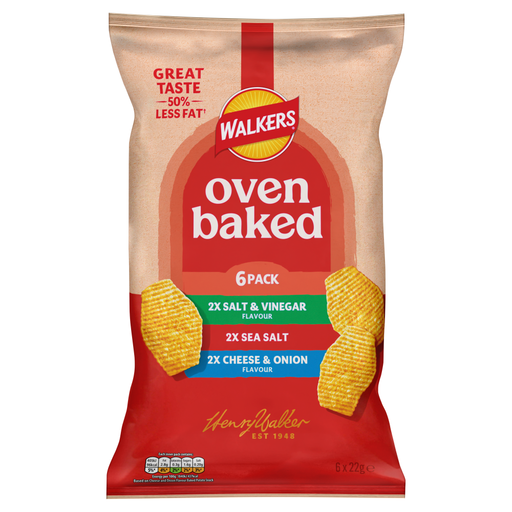 Image unavailable
Walkers Oven Baked Variety Pack Crisps 6 x 22g
The six 22g bags give you individual packs to compare with your intended snack portion. Check the nutrition and allergen details of the flavour you choose; figures for a separately sold Oven Baked flavour should not be assumed to apply to the whole variety pack.
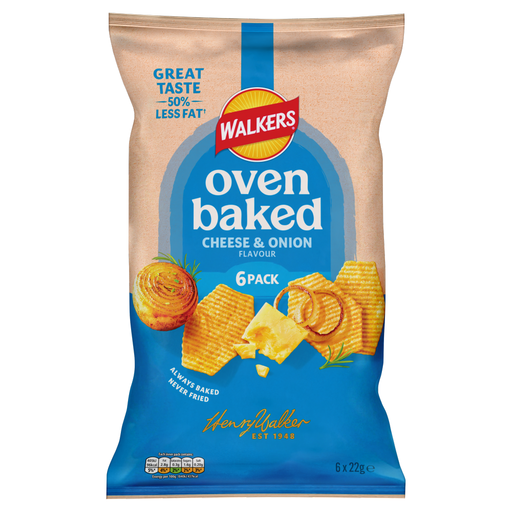 Image unavailable
Walkers Oven Baked Cheese & Onion Crisps 6 x 22g
Choose this six-pack if you want cheese and onion in individual 22g bags. Compare the figures on this flavour’s pack, and check its ingredients if dairy or another allergen matters to you.
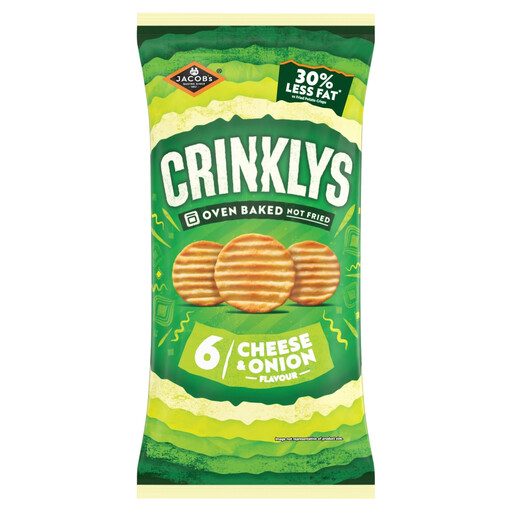 Image unavailable
Jacob's Crinklys Cheese & Onion Snacks 6 x 23g
These cheese and onion snacks come as six 23g bags. If you are comparing them with crisps after training, use the nutrition figures for one bag and read the flavour’s allergen statement.
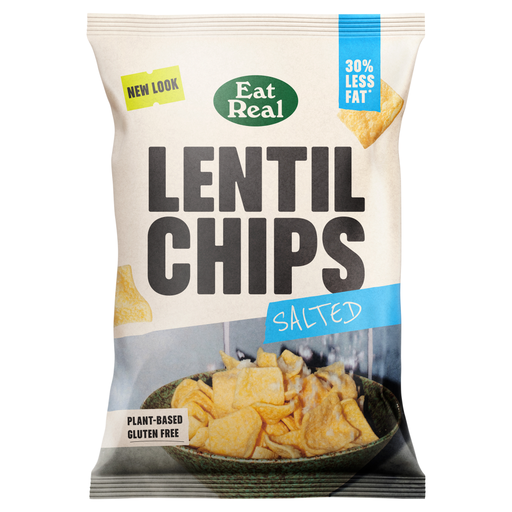 Image unavailable
Eat Real Sea Salt Lentil Chips 95g
If you prefer lentil chips to potato crisps, check protein and salt for the serving you take from this 95g pack. A lentil ingredient does not, by itself, tell you whether that serving meets your post-training snack needs.
Questions about post-gym crisps
Can flavoured crisps be my post-gym snack?
They can be part of one, but do not assume they provide the carbohydrate and protein you want from the whole snack. University College London Hospitals NHS Foundation Trust describes snacks containing both in its exercise guidance. Check your crisp portion’s nutrition figures and consider another protein-containing food if that is your aim.
Which nutrition figures should I compare first?
Start with the pack or serving size you will actually eat, then compare its protein, fat and salt. For context when checking salt, the NHS advises adults to have no more than 6g a day; a per-100g figure alone does not show the amount in your portion.
Does a vegan or gluten-free label mean a crisp has no allergens?
No. Such a label addresses a particular dietary requirement, not every possible allergen. Read the current ingredients, highlighted allergens and may-contain statement on the exact flavour and pack you intend to buy.


