Routine gym-goers who want something fizzy
If you mainly want a sparkling drink with a separate snack, water is a straightforward option for fluid intake. The NHS notes that other drinks can count towards fluid intake too.


After a routine gym session, choose water or sparkling water if you mainly want a drink with your snack; choose zero-sugar fizz if cola or fruit flavour matters more to you, and check for a caffeine-free variant if you avoid caffeine. If you need to refuel quickly after hard or repeated exercise, the British Dietetic Association advises carbohydrate-rich foods and fluids, so consider the drink alongside the snack or meal rather than treating fizz alone as a recovery plan.
If you mainly want a sparkling drink with a separate snack, water is a straightforward option for fluid intake. The NHS notes that other drinks can count towards fluid intake too.
If you want cola flavour without sugar, compare the exact variant. PepsiCo UK lists 0g sugars per 100ml for Pepsi Max, while its Pepsi Classic label lists 4.5g per 100ml. Check sweetener and phenylalanine information where relevant.
If another demanding session is close, consider the drink as part of a wider refuelling plan. The British Dietetic Association advises starting carbohydrate-rich foods and fluids promptly when quick recovery is required between repeated bouts of training or competition.
Start with what you want the drink to do alongside your snack, then compare the exact variant’s sugar, caffeine and ingredient information.
| Priority | What to check | Your needs |
|---|---|---|
| Fluid and food | Decide whether you mainly want a drink with food or need prompt refuelling between demanding sessions. The NHS identifies water as a hydration choice; the British Dietetic Association advises carbohydrate-rich foods and fluids when quick recovery is required. | I want something sparkling after a routine session and will have my snack separately. If I am training hard again soon, I need to consider the food and drink together. |
| Sugar | Compare sugars per 100ml and per serving on the exact pack. PepsiCo UK lists 0g per 100ml for Pepsi Max, versus 4.5g per 100ml and 15g per 330ml can for Pepsi Classic. | Cola flavour appeals to me, but I want to know whether this particular drink adds sugar to my snack. |
| Caffeine and sweeteners | Look for an explicit caffeine-free designation if that matters to you. Read the current ingredients and phenylalanine statement on zero-sugar variants; PepsiCo UK and Coca-Cola Great Britain list these details for their relevant colas. | I would like fizz without caffeine, or I need to check an ingredient statement before choosing a zero-sugar drink. |
| School setting | For drinks supplied in a state-funded school in England, check the applicable school-food rules and approved products rather than applying personal shopping criteria. Department for Education guidance addresses that specific setting. | I am choosing for a school setting, not just buying a drink for myself after the gym. |
A drink with a snack and prompt refuelling between demanding sessions serve different purposes. The British Dietetic Association advises carbohydrate-rich foods and fluids when quick recovery is required.
Choose the drink you want alongside the snack, then plan food and fluids around the session and when you will train again.
PepsiCo UK lists 0g sugars per 100ml for Pepsi Max but 4.5g per 100ml for Pepsi Classic; its 330ml Pepsi Classic can lists 15g.
Compare the nutrition panel for the exact variant and serving size rather than relying on the brand or pack colour.
Zero-sugar cola variants can differ on caffeine. PepsiCo UK lists sweeteners and a source-of-phenylalanine statement for Pepsi Max and Pepsi Max No Caffeine.
If either point matters to you, check the current pack and choose a variant explicitly labelled caffeine-free when needed.
Department for Education school-food guidance concerns food and drink provided in state-funded schools in England, not an ordinary personal post-gym purchase.
If you are choosing drinks for a school, confirm the relevant UK nation, setting and current requirements before selecting products.
These examples help distinguish drink types and variants; a brand name alone does not establish the sugar, caffeine or ingredient details of every product in its range.
The Coca-Cola Zero Sugar Caffeine Free variant is a cola-style option for shoppers looking to avoid both sugar and caffeine.
Pepsi’s UK range provides regular, zero-sugar and caffeine-free zero-sugar cola variants to compare.
Tesco Sparkling Water is an example of plain carbonated mineral water rather than a cola-style drink.
These options cover sparkling water and several fizzy drinks to have alongside a separate post-gym snack. Compare the exact pack if sugar, caffeine, ingredients or flavour affect your choice.
 No image available
A caffeine-free cola option to have with a separate post-gym snack. PepsiCo UK lists 0g sugars per 100ml for Pepsi Max No Caffeine. Check the current pack’s sweetener and phenylalanine information if relevant.
 No image available
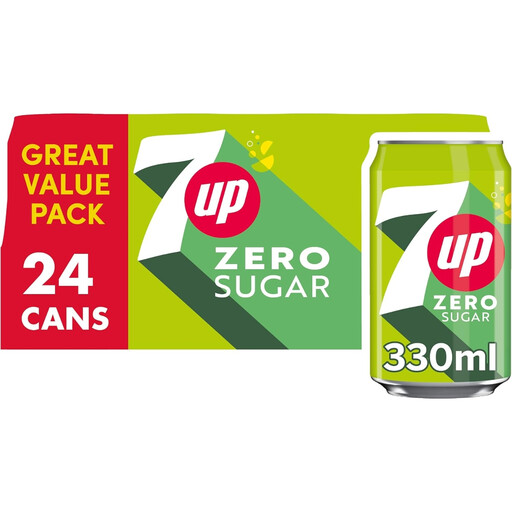
A non-cola fizzy option to have alongside a snack. Check the pack for its exact flavour, caffeine information and ingredients before choosing it for those preferences.
 No image available
A zero-sugar cola option for those choosing fizz with a separate snack. This is not the Caffeine Free variant: check the exact pack’s caffeine, sweetener and phenylalanine information if relevant.
 No image available
A fruit-flavoured sugar-free fizzy option to have with a snack. Confirm the flavour and caffeine information on the pack if either affects your choice.
 No image available
Spring water with carbonation for a drink alongside a separate post-gym snack. The pack contains six 1L bottles; if quick refuelling is needed between demanding sessions, consider food and fluids together.
Choose the drink alongside food according to what the session requires, rather than treating fizz alone as a recovery plan. For routine sessions, water or sparkling water can be your drink with a separate snack; when quick recovery between demanding sessions is required, the British Dietetic Association advises carbohydrate-rich foods and fluids.
Choose it when you want fizzy flavour without sugar in the drink. PepsiCo UK lists 0g sugars per 100ml for Pepsi Max, but if you need prompt carbohydrate refuelling after demanding exercise, consider what your snack or meal provides as well.
Look for an explicitly caffeine-free variant rather than assuming every zero-sugar drink is caffeine-free. PepsiCo UK identifies Pepsi Max No Caffeine as one such variant; check the current pack for its ingredients and source-of-phenylalanine statement if relevant.
A personal post-gym choice does not establish whether a drink can be supplied at school. Department for Education guidance addresses food and drink provided in state-funded schools in England under the Requirements for School Food Regulations 2014; for a school purchase, check the current rules for the relevant nation and setting and the caterer’s approved products.
Follow the directions on the bottle you buy. For its 6 × 500ml Sparkling Water product, Tesco says to refrigerate it after opening and consume it within 3 days; directions for another product may differ.