For an ordinary gym session, water with a snack or meal is a sensible starting point: the NHS recommends water to replace fluid lost through activity, and the British Dietetic Association says general-fitness carbohydrate needs can usually be met through food. Choose a zero-sugar sports drink if you prefer a flavoured drink without drink-based sugar, but do not treat it as your snack. After intense or prolonged exercise, particularly when another demanding session follows soon, a carbohydrate-containing drink may form part of a more deliberate refuelling plan alongside food.
Who is each drink choice for?
The useful distinction is whether you want fluid, carbohydrate during recovery, or both fluid and a separate snack.
Everyday gym-goers watching drink sugar
If you can eat normally after a routine session, water is an option for replacing fluid. A zero-sugar sports drink offers a flavoured alternative, but your choice of snack or meal is a separate decision. The NHS recommends water for replacing lost fluid, while the British Dietetic Association says a normal diet can meet general-fitness carbohydrate needs.
People training hard or again soon
After intense or prolonged exercise, consider how soon you need to train again and where your carbohydrate and protein will come from. The UK Sports Institute advises a carbohydrate- and protein-rich snack with fluids after intense or prolonged exercise; choosing a drink does not remove the need to plan the food.
Shoppers comparing sports drinks with other bottled drinks
Check the product type and nutrition label rather than relying on words such as “sport” or “energy”. Sugars, total carbohydrate, salt or sodium, sweeteners and any caffeine help you tell whether a bottle fits the drink you intended to buy.
What should you check before choosing?
Start with what the session demands, then compare the drink’s serving size and label with the food you plan to have afterwards.
| Priority |
What to check |
Your needs |
| Replacing fluid |
Consider whether you have been sweating and what you would like to drink. The NHS identifies water as the way to replace fluid lost through physical activity. |
I mainly want a drink after my usual gym session; a sports drink is a preference, not a requirement for that choice. |
| Sugar and carbohydrate |
Read both sugars and total carbohydrate per serving, then check the bottle size. Tesco Groceries describes Powerade Zero as zero sugar, while its regular Lucozade Sport Orange listing describes approximately 16g carbohydrate per 250ml. |
If I am limiting sugar in my drink, I need to distinguish a zero-sugar option from one intended to supply carbohydrate. |
| Recovery food |
Decide what snack or meal will accompany the drink. For intense or prolonged exercise, the UK Sports Institute advises carbohydrate- and protein-rich food as well as fluids. |
A flavoured drink alone is not the snack I have planned; I also need to decide what I will eat. |
| Next session |
Consider the exercise intensity and duration, and how soon another demanding session follows. Check whether carbohydrate from a drink has a purpose in that plan. |
When I have trained hard and need to train again soon, refuelling matters more than choosing by the words “diet” or “sport” on the front of a bottle. |
Common post-gym drink mistakes
-
Treating a zero-sugar drink as the whole snack
Zero sugar describes the drink’s sugar content, not a complete post-exercise eating occasion. The UK Sports Institute’s guidance for intense or prolonged exercise calls for carbohydrate- and protein-rich food alongside fluids.
Choose the drink for the fluid and flavour you want, then plan food separately when you need a snack or meal.
That may mean preparing or obtaining food as well as the drink.
-
Assuming every sports drink supplies the same fuel
A zero-sugar product and a regular carbohydrate-containing product serve different buying purposes. For example, Tesco Groceries describes Powerade Zero as zero sugar and lists approximately 16g carbohydrate per 250ml for regular Lucozade Sport Orange.
Compare total carbohydrate and sugars for the amount you expect to drink, then consider whether the session and your next training time call for drink-based carbohydrate.
Sports-drink brands to recognise
Brand ranges can include both zero-sugar and regular drinks, so compare the particular product and flavour rather than applying one label to the whole range.
Lucozade Sport
Tesco Groceries lists a Zero Sugar Orange & Peach drink and a regular Orange sports drink. They are distinct choices for shoppers comparing drink sugar with drink-based carbohydrate.
- The Zero Sugar listing offers a clearly identified zero-sugar variant.
- The regular Orange listing describes approximately 16g carbohydrate per 250ml; do not assume it has the same nutrition profile as the Zero Sugar variant.
Powerade
The range includes Powerade Zero and regular sports drinks. Tesco Groceries describes its Berry Tropical Zero product as zero sugar; the particular bottle and serving still matter when comparing labels.
- The named Zero variant gives shoppers a zero-sugar option to compare.
- Do not carry the Zero variant’s sugar description over to a regular Powerade drink.
Gatorade
Gatorade’s US product information describes Gatorade Zero powders as a zero-sugar option for shorter, lower-to-moderate-intensity training.
- The brand presents a zero-sugar format for shoppers considering a drink without sugar.
- For a UK purchase, check the exact product’s local label and format rather than applying information from the US range to it.
Joybuy drinks to compare
These options include carbohydrate-containing sports or electrolyte drinks and an electrolyte water. Compare each bottle’s label against your post-gym drink and snack plans; the selection is not a like-for-like list of zero-sugar sports drinks.
 No image available
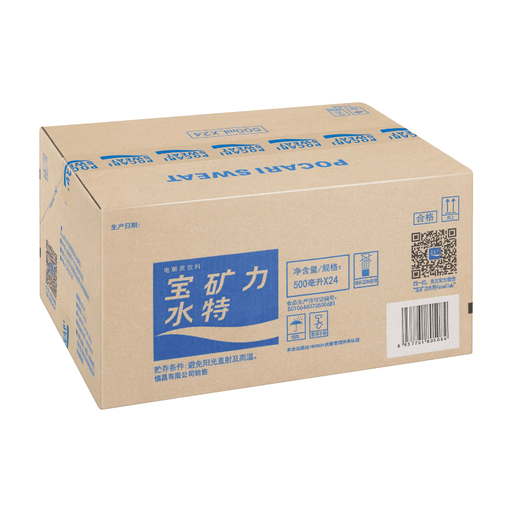
Pocari Sweat Sports Drink, 24 x 500ml
For a session where drink-based carbohydrate is part of your plan, compare the bottle’s carbohydrate and sugars per serving before choosing this 24-bottle pack. Plan food separately if your post-gym snack needs to include protein.
View on Joybuy
 No image available
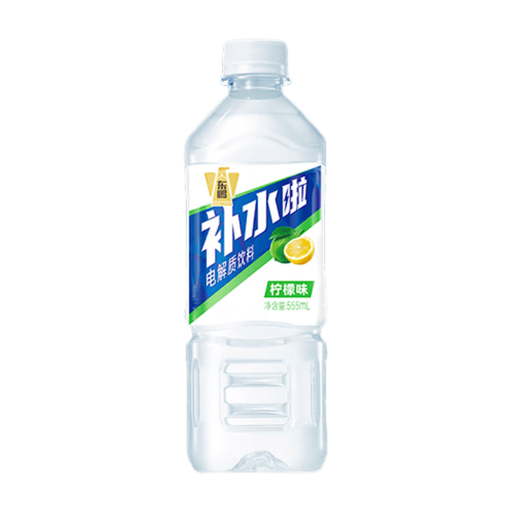
DP Lemon Flavour Electrolyte Drink with Sweetener, 555ml
If you are considering a drink alongside food after a demanding session, check this lemon-flavour bottle’s sugars and total carbohydrate per serving. “With sweetener” does not, by itself, tell you whether the drink is sugar-free.
View on Joybuy
 No image available
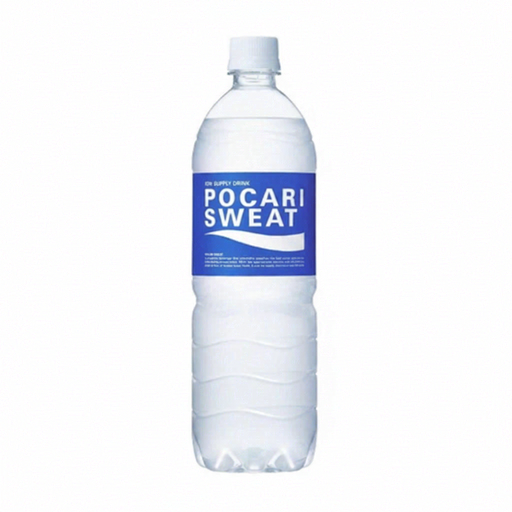
Pocari Sweat Drink, 900ml
For this 900ml bottle, compare nutrition values for the amount you intend to drink rather than assuming the whole bottle is one serving. Check the current sugars and carbohydrate declaration if choosing between it and a zero-sugar drink.
View on Joybuy
 No image available
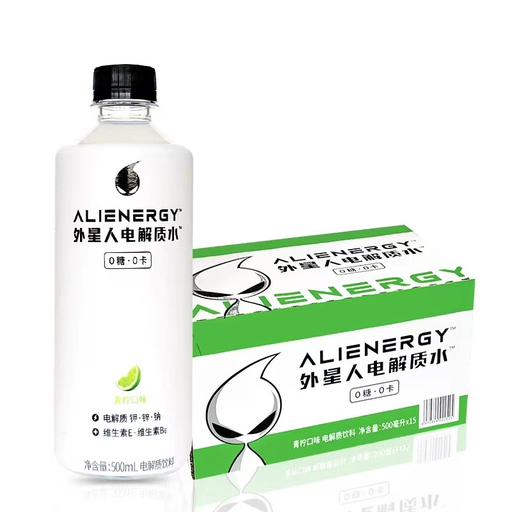
Chi Forest Alienergy Lime Electrolyte Water, 15 x 500ml
If an electrolyte water appeals after a routine session, check the current label for sugars, total carbohydrate and serving size before choosing this lime-flavour 15-pack. Have a separate snack or meal when food is part of your recovery plan.
View on Joybuy
Post-gym drink questions
Can a zero-sugar sports drink replace my post-gym snack?
No: choose it as a drink, not as a substitute for the food you intended to eat. For intense or prolonged exercise, the UK Sports Institute advises carbohydrate- and protein-rich food with fluids; for general fitness, the British Dietetic Association says carbohydrate needs can usually be met through a normal diet.
When might a regular sports drink make sense?
Consider its carbohydrate content when exercise has been intense or prolonged and you need to plan recovery, particularly before another demanding session. The UK Sports Institute advises carbohydrate- and protein-rich food and fluids after intense or prolonged exercise; a regular drink does not replace that wider food decision.
Is water enough to drink after an ordinary gym session?
Water is a sound starting point for replacing fluid: the NHS recommends it for fluid lost through physical activity and advises drinking extra fluids after sweating. You can choose a flavoured drink instead, then decide separately what to eat.
What matters most on a diet sports drink label?
Check the serving size, sugars and total carbohydrate together so you know what your intended amount supplies. Then read the salt or sodium declaration, ingredients and any caffeine information if those affect your choice; a zero-sugar name alone does not describe the whole drink or your snack.


