A sparkling drink is a different choice from a milkshake, not a substitute with the same nutrients: Sainsbury’s lists a sparkling recovery supplement separately from protein milkshakes. If you need quick recovery before another demanding session, the British Dietetic Association advises prompt carbohydrate refuelling; compare the protein, carbohydrate and full serving size of any drink with what you will eat afterwards.
Who is this for?
People training again soon
If you need quick recovery before another session, consider the carbohydrate in your next food or drink as well as its protein. The British Dietetic Association advises starting carbohydrate refuelling promptly when quick recovery is required.
Casual gym-goers choosing a snack
If you want a flavoured milk drink after exercise, check how it fits with the meals you will eat later rather than assuming you need a protein-enriched shake.
Shoppers who prefer a sparkling drink
If carbonation is what appeals to you, check the individual drink’s nutrition label. A sparkling product should not be assumed to have the protein or carbohydrate content of a milkshake.
What matters when choosing?
Protein-enriched milkshake
Consider it when: You want a convenient drink with a declared protein amount after training.
Keep in mind: A protein claim alone cannot tell you whether the full bottle fits your session, other meals or preferred portion.
Standard flavoured milkshake
Consider it when: You want a milk-based snack and will also be eating regular meals.
Keep in mind: Do not assume its protein content matches that of a protein-enriched product; compare the labels.
Sparkling drink
Consider it when: You specifically want a carbonated drink rather than a milkshake.
Keep in mind: Carbonation does not establish what protein or carbohydrate the drink supplies.
Once you have chosen the type of drink, use its full serving and nutrition label to decide whether it suits your plans after exercise.
| Priority |
What to check |
Your needs |
| Protein |
Compare protein per 100 ml and per bottle. The Association for Nutrition gives 0.25–0.4 g per kg of body weight as a guide for a post-workout meal or snack, depending on exercise type and intensity. |
I want to know how much protein I will actually drink and how that fits with my training and other food. |
| Carbohydrate |
Check carbohydrate per serving alongside your next meal. The British Dietetic Association advises starting carbohydrate refuelling promptly when quick recovery is required. |
If I am training again soon, I need to consider more than the drink’s protein claim. |
| Sugars and serving |
Read sugars per 100 ml and the amount you plan to drink. Yazoo lists 8.6 g sugars per 100 ml for its Chocolate drink; Tesco lists 6.5 g per 100 ml for Mars No Added Sugar. |
I want to compare the amount in my serving, rather than read “no added sugar” as “sugar-free”. |
| Ingredients and storage |
Check the current pack’s allergens and instructions after opening. Milk-based products contain milk; the ingredients of individual drinks can differ. |
If an ingredient matters to me, or I might not finish the drink at once, I need to check the specific pack. |
Mistakes to avoid
-
Assuming sparkling means milkshake
Sainsbury’s lists a sparkling recovery supplement as a separate product type from its protein milkshakes. The word “sparkling” does not tell you its protein or carbohydrate content.
Decide whether you want a carbonated drink or a milkshake, then read the nutrition panel for that product.
-
Comparing protein without checking bottle size
Tesco lists 20 g protein in a 330 ml Shaken Udder protein milkshake, while Sainsbury’s lists 26 g in a 482 ml Arla Protein shake. The bottle amounts are different.
Check the protein in the amount you intend to drink, not just the figure per 100 ml.
-
Reading “no added sugar” as “sugar-free”
Tesco’s Mars No Added Sugar milk drink states that it contains naturally occurring sugars and lists 6.5 g sugars per 100 ml.
Read the sugars and serving-size information alongside any front-of-pack claim.
-
Overlooking allergens and opened-pack storage
The cited Shaken Udder protein milkshake contains milk, and its Tesco listing instructs shoppers to refrigerate it after opening and consume it within two days.
Check the current pack’s ingredients and storage directions, particularly if you need to avoid an allergen or plan to keep some for later.
Brand examples to compare
These examples show why the label of the particular drink matters more than a brand name alone.
Shaken Udder
The brand has conventional milkshakes and a Chocolate Protein Milkshake listed by UK retailers.
- Tesco lists 20 g protein in the 330 ml Chocolate Protein Milkshake.
- That cited shake contains milk; check its ingredients and the current pack if you need to avoid allergens.
Arla Protein
Its cited Chocolate Milk Shake is a protein-enriched option sold in a 482 ml bottle.
- Sainsbury’s lists 26 g protein per bottle for this product.
- Consider the full bottle in the context of the portion you want and what else you will eat.
Yazoo
Its Chocolate drink is a conventional flavoured milk option rather than the protein-enriched examples above.
- Yazoo lists 3.3 g protein per 100 ml for Chocolate.
- The same Yazoo label lists 8.6 g sugars per 100 ml; check the serving you intend to drink.
Mars
The cited Chocolate Flavoured Milk Drink carries a No Added Sugar claim.
- Tesco lists 3.5 g protein per 100 ml for this drink.
- Tesco also lists 6.5 g sugars per 100 ml and states that naturally occurring sugars are present.
Müller Frijj
Tesco includes Müller Frijj among its ready-to-drink milkshakes.
- Compare the nutrition, allergens and storage directions on the particular flavour and pack you choose.
Joybuy post-gym drink options
These options include protein shakes and a yoghurt-style milkshake drink for shoppers considering a packaged post-gym snack. Compare each pack with your preferred serving and the food you plan to eat afterwards.
 No image available
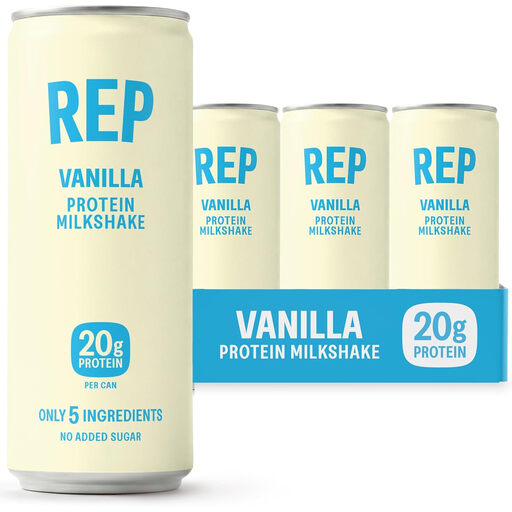
REP Vanilla Protein Shakes, 8 × 250 ml
A packaged protein shake to consider when you want a drink after training. Compare the nutrition for one 250 ml can with your next meal; the product contains milk and needs refrigeration after opening.
View on Joybuy
 No image available
Applied Nutrition Protein Nutrition Shake, Strawberries & Cream, 8 × 330 ml
For a bottled protein drink after exercise, compare the nutrition for the full 330 ml bottle as well as per 100 ml. It contains milk; follow the pack’s instructions if you do not finish it when opened.
View on Joybuy
 No image available
Applied Nutrition Protein Nutrition Shake, Vanilla Ice Cream, 8 × 500 ml
The 500 ml bottle makes portion size worth considering alongside its protein and carbohydrate label. This shake contains milk; check the pack’s directions for storage after opening.
View on Joybuy
 No image available
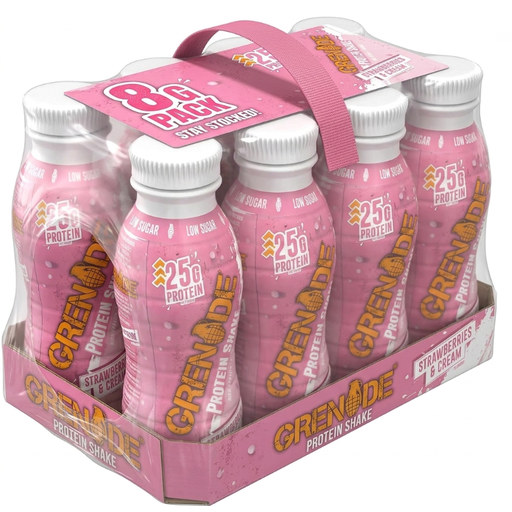
Grenade Protein Nutrition Shake, Strawberries & Cream, 8 × 330 ml
A bottled protein shake for a post-gym snack. Check the current pack’s carbohydrate and sugars alongside its protein; it contains milk and the product directions say to consume it immediately after opening.
View on Joybuy
 No image available
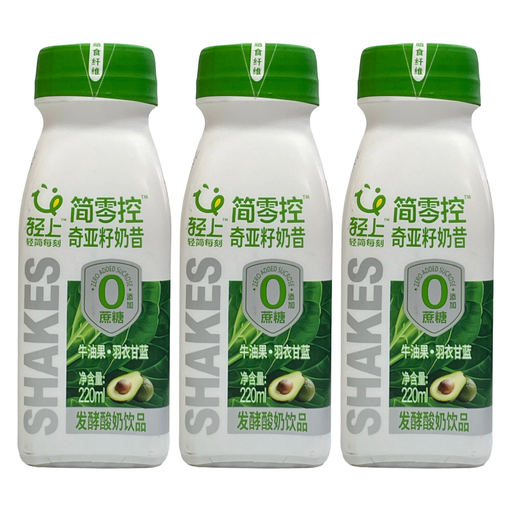
LIGHT UP Zero Control Avocado Kale Chia Seed Yoghurt Milkshake Drink, 3 × 220 ml
A yoghurt-style drink to consider if you want a flavoured snack after exercise rather than a protein-enriched shake. Check the current pack’s protein and carbohydrate values for your serving; it contains milk.
View on Joybuy
Questions about post-gym drinks
Is a sparkling drink a better post-gym choice than a milkshake?
Carbonation alone is not a reason to choose one for recovery. Sainsbury’s lists a sparkling recovery supplement separately from protein milkshakes; check the specific drink’s nutrition if you need protein or carbohydrate after training.
When might I choose a protein milkshake after exercise?
Consider one when a convenient protein-containing snack suits your plans after training. The Association for Nutrition gives 0.25–0.4 g protein per kg of body weight as a guide for a post-workout meal or snack, depending on exercise type and intensity; account for what else you will eat.
Can an ordinary milkshake fit after a gym session?
It can be a snack after exercise, but judge it alongside your other food rather than assuming it has the same protein content as a protein-enriched shake. Check the particular drink’s serving size, protein and carbohydrate.
Does “no added sugar” mean sugar-free?
No. Tesco states that its Mars No Added Sugar milk drink contains naturally occurring sugars and lists 6.5 g sugars per 100 ml. Read the nutrition table for the amount you intend to drink.
What should I check if I need to avoid milk?
Check the ingredients and emphasised allergens on the current pack before choosing a drink. The cited Shaken Udder protein milkshake contains milk, and other products can have different ingredients.


