5K runners wanting a social drink
If you want the flavour of a mixer after your run, keep it separate from rehydration. The NHS recommends water to replace fluid lost through sweating; you can choose a mixer later for taste.


Treat a mixer as an optional drink after a 5K, not as run fuel or your way to replace fluid lost through sweating: the NHS recommends water for that. If you want a mixer later, serve it without a spirit when avoiding alcohol, check the exact drink’s alcohol wording, and compare nutrition per 100ml alongside the amount you will pour.
If you want the flavour of a mixer after your run, keep it separate from rehydration. The NHS recommends water to replace fluid lost through sweating; you can choose a mixer later for taste.
If you are choosing between tonic variants, compare the exact packs’ energy and sugars per 100ml, then consider how much you will serve. A light label alone does not tell you the full nutrition picture.
If you want to reduce rather than avoid alcohol, check the drink’s stated alcohol by volume (ABV). A low-alcohol alternative is not necessarily alcohol-free, and the NHS advises avoiding alcohol when dehydrated.
Decide whether you need a drink to replace fluid after the run or a flavoured drink for later. Then check alcohol wording and the nutrition of the mixer you actually plan to serve.
| Priority | What to check | Your needs |
|---|---|---|
| After-run fluids | Consider whether you have been sweating. The NHS identifies water as the best way to replace fluid lost through physical activity; keep any mixer a separate choice. | I have just finished my run and want to replace lost fluid before choosing a drink for flavour. |
| Alcohol content | Read the exact drink’s label and ABV where applicable, and decide whether you will add a spirit. The UK Department of Health and Social Care’s 2018 guidance sets a threshold of 1.2% ABV or below for the “low alcohol” descriptor on alcohol-substitute drinks; that does not mean 0.0%. | If I want to avoid alcohol altogether, I need to check the drink and how it will be served rather than relying on the word “mixer”. |
| Energy and sugars | Compare the same per-100ml measures on the exact tonic variants, then account for serving size. Joybuy lists 15 kcal per 100ml for Fever-Tree Refreshingly Light Premium Indian Tonic Water; Fentimans lists 18 kcal and 3.4g sugars per 100ml for Naturally Light Tonic Water. | I want to compare light tonics without assuming that “light” means sugar-free or that either drink replaces post-run fluids. |
| Ingredients | Check the current ingredient list for the selected variant, including its sweeteners and flavourings. A mixer’s name does not establish its alcohol content or its suitability as run fuel. | The ingredients and flavour matter to me, so I want to choose the actual pack I will drink rather than a brand name alone. |
A conventional mixer is a different choice from replacing fluid lost through sweating. The NHS identifies water as the best way to replace that fluid.
Drink water for rehydration first; have a mixer later if you want its flavour.
The UK Department of Health and Social Care’s 2018 guidance allows the “low alcohol” descriptor for alcohol-substitute drinks at 1.2% ABV or below, so the drink can still contain alcohol.
If avoiding alcohol is essential, check the exact drink’s label and whether anything alcoholic will be added.
Fentimans lists 3.4g sugars per 100ml for Naturally Light Tonic Water. A lower-calorie description does not establish that a tonic replaces fluid lost through exercise.
Compare the exact pack’s per-100ml energy and sugars, and make your hydration choice separately.
A tonic served with alcohol is not an alcohol-free drink. NHS dehydration guidance advises avoiding alcohol when dehydrated.
If hydration is your immediate priority after a run, drink water first and leave alcohol out of the mixer.
Its Refreshingly Light tonic is one option for a mixer served without adding a spirit.
Naturally Light Tonic Water offers another tonic variant to compare for flavour and nutrition.
Indian Tonic Water provides a standard-tonic reference when comparing variants.
Britvic described Classic and Low Calorie Indian Tonic Water variants in an 850ml format in a 2021 trade release.
These tonic waters are options for a separate flavoured drink after a 5K, including slimline, light and standard variants. Choose water to replace fluid lost through sweating, and check the exact pack if avoiding alcohol is essential.
 No image available
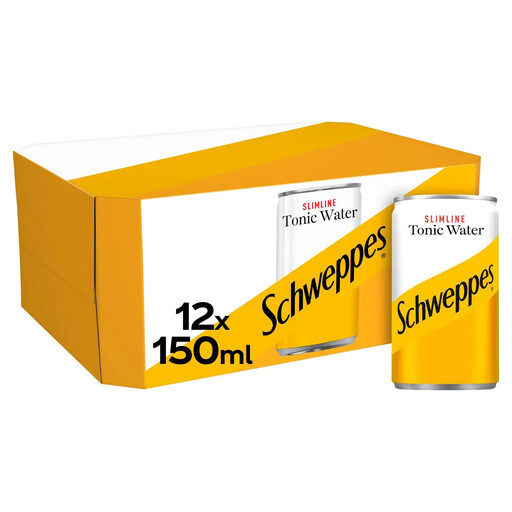
Consider this for a tonic served without a spirit rather than for rehydration. Check the pack’s alcohol wording if you need to avoid alcohol altogether, and review its sweetener information if relevant to you.
 No image available
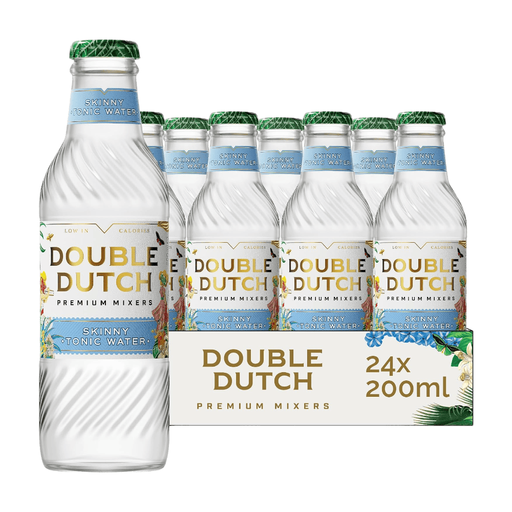
If choosing a tonic for a drink without a spirit, check the exact pack’s alcohol wording. Confirm its current energy information before comparing calories with other tonics; the name “Skinny” is not a nutrition value.
 No image available
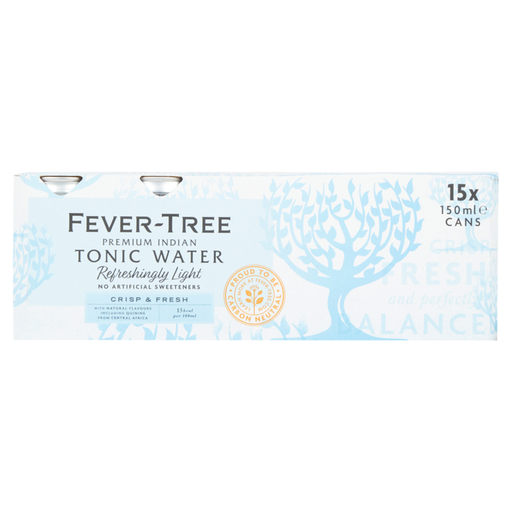
For an optional tonic after your run, Joybuy lists 15 kcal and 3.8g carbohydrate per 100ml for this variant. Compare the amount you plan to serve, and check the exact pack’s alcohol wording if necessary.
 No image available
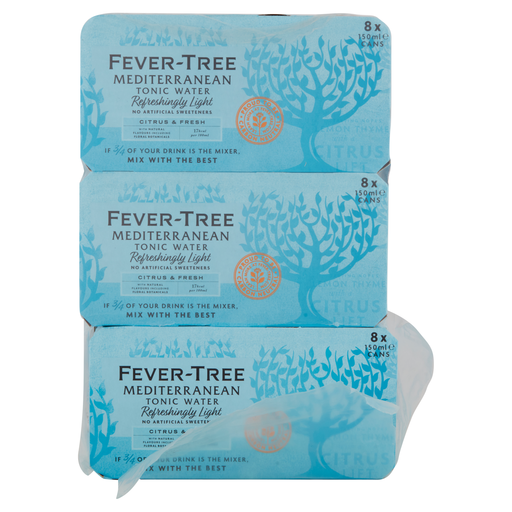
Choose between this Mediterranean variant and other tonics by checking the current pack’s flavouring, nutrition and serving size. Serve it without a spirit if you want a no-spirit mixer, and check its alcohol wording if strict avoidance matters.
 No image available
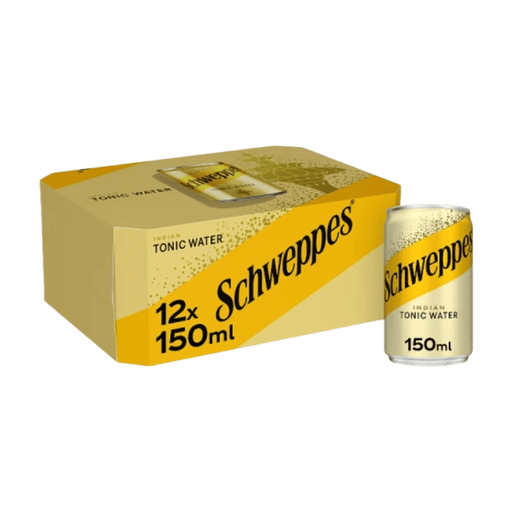
This standard tonic is an optional mixer, not a way to replace fluid lost during a run. Joybuy lists 21 kcal per 100ml; use the exact pack to compare nutrition and check alcohol wording if necessary.
Do not choose a low-alcohol mixer for that purpose. For fluid lost through sweating during physical activity, the NHS recommends drinking extra fluid and identifies water as the best way to replace it; treat the mixer as a separate, optional drink.
No—use water for rehydration instead. NHS dehydration guidance advises avoiding alcohol when dehydrated, so leave a spirit out of any mixer you choose for later.
No. The UK Department of Health and Social Care’s 2018 guidance sets a threshold of 1.2% ABV or below for the “low alcohol” descriptor on alcohol-substitute drinks. If you need to avoid alcohol, check the exact drink’s label rather than treating that descriptor—or the word “mixer”—as a 0.0% claim.
No. A light designation concerns a calorie comparison, not replacement of fluid lost through exercise. Compare the exact tonic’s energy and sugars per 100ml and your serving size, while using water separately for rehydration as the NHS advises.
Decide whether you will serve it without alcohol, then check the exact drink’s label, ingredients, applicable ABV wording, nutrition per 100ml and pack size. The word “mixer” alone does not tell you its alcohol content or nutrition.