Who is choosing a post-workout apple drink?
The useful distinction is whether you need to replace fluid, want food and drink after a demanding session, or simply fancy apple flavour and fizz.
Recreational exercisers who enjoy a fizzy drink
If you have been sweating, start with water: the NHS identifies it as the preferred way to replace lost fluid. Sparkling apple juice can be a separate flavour choice, with its serving size worth considering.
People finishing intense or prolonged exercise
The UK Sports Institute advises plenty of fluids and a carbohydrate- and protein-rich snack after these sessions. If you choose an apple drink, have it alongside suitable food rather than treating the drink as the whole recovery option.
Shoppers comparing juice with apple-flavoured fizz
A 100% apple-juice drink, a fruit-juice spritz and an apple-flavoured soft drink are different purchases. Check the fruit-juice percentage and sugars on the specific pack, then decide how much you intend to drink.
What should you check before buying?
Decide what you need after the session before comparing flavours. Then read the ingredient and nutrition labels for the exact drink and serving you plan to have.
| Priority |
What to check |
Your needs |
| Replacing fluid |
Consider how much you have sweated. The NHS recommends water to replace fluid lost through physical activity; decide separately whether you want a flavoured drink. |
I want a drink after exercise, but I do not need fizz or apple flavour to replace lost fluid. |
| Food after a demanding session |
For intense or prolonged exercise, the UK Sports Institute advises plenty of fluids with carbohydrate- and protein-rich food. Check the drink’s nutrition label rather than assuming it supplies both nutrients. |
After a long or intense session, I want to plan a snack or meal as well as something to drink. |
| Juice content and sugars |
Read the apple-juice percentage, added ingredients and sugars on the same measurement basis. ASDA Groceries lists its checked Appletiser as 100% carbonated apple juice; its J2O Apple & Watermelon Spritz contains 10% apple and 2% watermelon juice, plus sugar and sucralose. |
Full apple-juice content matters more to me than choosing a fruit-flavoured soft drink—or I would rather compare the listed sugars before deciding. The recipe can change that choice. |
| Serving size |
Check both the pack size and the amount you will pour. The NHS advises limiting fruit juice and smoothies to a combined 150ml a day; ASDA Groceries lists 26g sugars in a 250ml serving of the checked Appletiser. |
A bottle or can might hold more than I intend to drink at once, so I want to choose my portion deliberately. |
| Comfort with fizz |
Consider whether carbonated drinks bother you after exercise. The NHS identifies fizzy drinks as a possible contributor to gas and bloating; still water avoids carbonation. |
If fizz tends to leave me uncomfortable, I would rather have a still drink after training. |
Brands and product lines to compare
These examples illustrate different drink types; a brand’s wider range should not be assumed to have the same recipe as the named product.
Appletiser
A full-juice sparkling option when apple-juice content is the deciding factor.
- ASDA Groceries lists the checked product as 100% carbonated apple juice from concentrate, with 26g sugars and 28g carbohydrate per 250ml serving.
- The same listing gives protein as trace. Choose food separately if your post-exercise plan calls for protein.
J2O
A sparkling fruit-flavoured soft-drink route rather than a full-juice route.
- ASDA Groceries lists apple and watermelon juice in the checked Apple & Watermelon Spritz.
- That recipe contains 10% apple juice and 2% watermelon juice, plus added sugar and sucralose. Check the particular flavour: those proportions do not describe every J2O drink.
M&S
Its sparkling British apple spring-water drink offers a different apple-and-water recipe from 100% juice.
- Marks & Spencer lists carbonated spring water and 16% apple juice from concentrate in this product.
- Its ingredient list also includes sugar, so ‘spring water’ does not mean the drink is unsweetened.
Tropicana
Its UK Orchard Apple line is a reference point if you are considering apple juice without prioritising fizz.
- Tropicana UK includes Orchard Apple in its juice range.
- Check the label of any particular pack for its ingredients, nutrition and whether it is carbonated.
Copella
A pressed-apple-juice reference for shoppers considering a still drink instead.
- Copella describes its UK range as Suffolk fresh pressed apple juice.
- Use the nutrition and ingredient label of the specific product for comparisons with a sparkling drink.
Sparkling apple drink options on Joybuy
These choices span sparkling apple juice, apple-and-fruit fizz and apple-flavoured soft drinks. They are drink options for the post-workout scenario, not substitutes for water or for food after an intense or prolonged session.
 No image available
Appletiser 100% Apple Juice Lightly Sparkling 6 × 250ml
Choose this if a sparkling drink made entirely from apple juice is your preference. Joybuy lists 100% carbonated apple juice from concentrate; its 250ml serving contains 28g carbohydrate and 26g sugars. The NHS advises a combined daily limit of 150ml for fruit juice and smoothies, so decide how much of a serving you intend to have.
View on Joybuy
 No image available
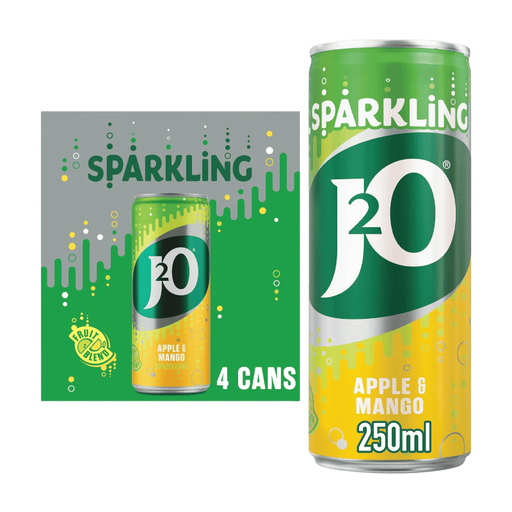
J2O Sparkling Apple & Mango 4 × 250ml
An apple-and-mango sparkling option if you want fruit flavours rather than an apple-only drink. The pack contains four 250ml drinks. Compare its current ingredient and nutrition label with a 100% apple-juice option if juice content or sugars will determine your choice; pair your drink with food when post-exercise protein matters.
View on Joybuy
 No image available
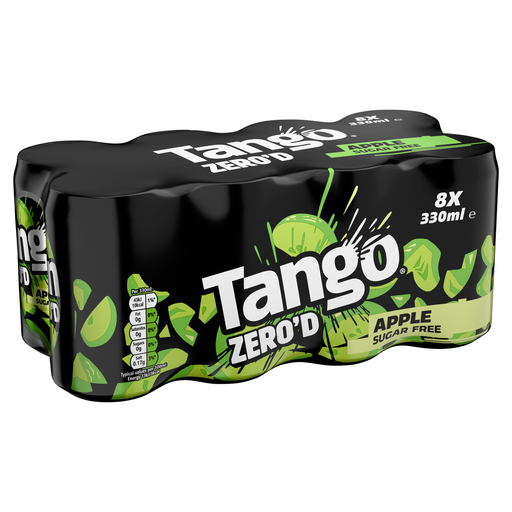
Tango Sugar Free Apple 8 × 330ml
This is an apple-flavoured fizzy soft drink for someone choosing the Sugar Free variant, not a substitute for full apple-juice content. The pack contains eight 330ml drinks. Check its ingredient label if the amount of apple juice matters to you, and choose food separately after a demanding workout.
View on Joybuy
 No image available
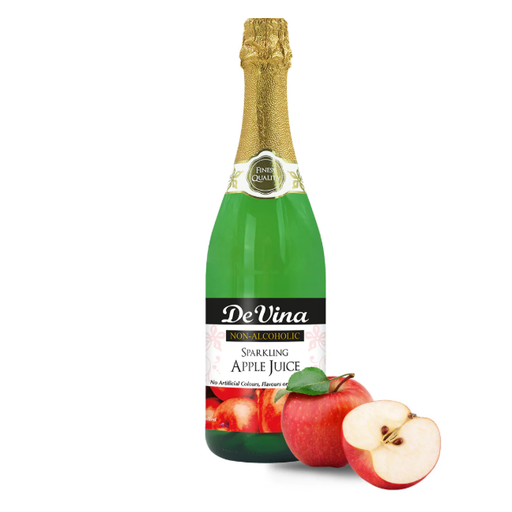
De Vina Sparkling Apple 750ml
A larger sparkling apple drink if you prefer to pour your own serving. The bottle is 750ml; decide on a portion rather than treating the whole bottle as one drink. Check the current bottle label for sugars, carbohydrate and protein if those figures affect your post-workout choice.
View on Joybuy
Questions about sparkling apple drinks after exercise
Should sparkling apple juice be my main drink after a workout?
Choose water first when you need to replace fluid lost through activity: that is the NHS’s advice. Sparkling apple juice can be an additional flavour choice. After intense or prolonged exercise, the UK Sports Institute also advises carbohydrate- and protein-rich food with plenty of fluids.
Does a 250ml sparkling apple juice count as one daily juice portion?
A 250ml serving is larger than the NHS’s advised combined daily limit of 150ml for fruit juice and smoothies. If you choose a full-juice sparkling drink, decide how much to pour rather than assuming the whole can or bottle is the intended daily portion.
How do I choose between 100% sparkling apple juice and a spritz?
Choose by the recipe you want, not the fizz alone. ASDA Groceries lists its checked Appletiser as 100% carbonated apple juice from concentrate, while its J2O Apple & Watermelon Spritz contains 10% apple juice and 2% watermelon juice, plus sugar and sucralose. Compare sugars on the labels for the same quantity before making a sugar-based choice.
What if fizzy drinks leave me bloated after training?
Choose a still drink if carbonation regularly makes you uncomfortable. The NHS identifies fizzy drinks as a possible contributor to gas and bloating; still water is also its recommended way to replace fluid lost through activity.
How should I keep a larger bottle after opening it?
Follow the storage instructions on the particular bottle. For its checked 750ml Appletiser, ASDA Groceries says to refrigerate after opening and consume within four days; do not apply that instruction to a different drink without checking its label.


