Choose a snack containing carbohydrate and protein when post-exercise nutrition is the main aim, rather than relying on either white or dark chocolate alone; University College London Hospitals NHS Foundation Trust describes that combination for snacks around exercise. If chocolate is an optional addition, the checked high-cocoa dark bars list less sugar per 100 g than the checked white bars, but portion size, fat and allergens still matter.
Who is this choice for?
Gym-goers choosing a sweet snack
If you want chocolate after training, the first decision is whether you also need a snack containing protein. Northern Care Alliance NHS Foundation Trust advises including a protein source at snack time or after exercise.
Shoppers comparing dark and white chocolate
Compare sugars and fat on the same per 100 g basis, then look at the portion you intend to eat. Check the current pack for ingredients and allergens rather than assuming all dark or white bars have the same recipe.
School-food decision-makers in England
Chocolate bought for food provided at a state-funded school needs a different check from a personal post-gym snack. Department for Education school-food guidance applies to state-funded schools in England; retail rules on promotions of certain products high in fat, sugar or salt have a separate scope.
What should you check first?
Decide whether the snack needs to serve a post-exercise nutrition purpose or whether chocolate is simply something you fancy. Then compare chocolate labels on a like-for-like basis.
A snack containing protein
Choose when: you need a snack after exercise rather than just a piece of chocolate.
Consider: chocolate can be an optional addition, but it does not replace choosing a protein-containing food.
High-cocoa dark chocolate
Choose when: you want a small chocolate portion and the listed sugar content matters to you.
Consider: the checked Lindt 70% and 90% bars still list 41 g and 55 g fat per 100 g respectively, according to Lindt Shop UK.
White chocolate
Choose when: its flavour is the reason you want chocolate after training.
Consider: treat it as a chocolate choice, not as the protein-containing part of the snack.
| Priority |
What to check |
Your needs |
| Snack purpose |
Check whether your snack includes both carbohydrate and a protein source. University College London Hospitals NHS Foundation Trust describes carbohydrate-and-protein snacks for use around exercise. |
If I need a snack after training, I want the food I choose to address that purpose; chocolate alone is an optional extra. |
| Sugars |
Compare the same per 100 g measure. Lindt Shop UK lists 7 g sugars for Excellence 90% and 29 g for Excellence 70%; Marks & Spencer lists 54.8 g for Choc Marks White Chocolate, and Waitrose & Partners lists 62.6 g for Belgian White Chocolate. |
I would choose chocolate partly for its flavour, but I also want to see how much sugar the particular bar lists before deciding between dark and white. |
| Portion and fat |
Use per 100 g values to compare bars, then check the portion you plan to eat. Lindt Shop UK lists 55 g fat per 100 g for its Excellence 90% bar and 41 g for its 70% bar. |
A few squares may be what I want after the gym; I do not want to mistake figures for a whole 100 g bar for figures for my portion. |
| Allergens |
Read the current ingredients and allergen statements for the exact bar, including any precautionary wording. Do not use cocoa percentage or a vegan-recipe description as a substitute for the label. |
If I avoid milk or another allergen, I need to check the product I will actually eat, even when I have bought the same brand before. |
Common buying mistakes
-
Assuming more cocoa makes chocolate a recovery snack
Lower listed sugars do not establish that a bar meets your post-exercise snack needs. Lindt Shop UK lists 55 g fat per 100 g for Excellence 90%, while NHS snack guidance points to carbohydrate and protein around exercise.
If you need a snack after training, choose a protein-containing food first and decide separately whether you want some chocolate.
-
Counting white chocolate as the protein part of a snack
Marks & Spencer lists 7.0 g protein per 100 g for Choc Marks White Chocolate; Waitrose & Partners lists 4.3 g per 100 g for its Belgian White Chocolate. Those are whole-bar comparison measures, not the amount in a small portion.
Choose white chocolate for its flavour. If you also want a protein-containing snack, select that food separately.
-
Relying on an online listing for allergen decisions
Recipes and labels can change, and a description such as “vegan recipe” does not by itself settle whether a product is suitable for someone with a milk allergy.
Check the current physical pack for the exact bar before eating it, particularly when an allergy or intolerance affects your choice.
Brand and retailer references
These examples help put white, dark and milk chocolate labels in context; each figure applies to the named product, not every bar made by that brand.
Lindt
Lindt Excellence 70% and 90% are two high-cocoa dark bars with nutrition values published by Lindt Shop UK.
- The listed sugars are 29 g and 7 g per 100 g respectively, making the named bars straightforward to compare on that measure.
- The same listings give 41 g and 55 g fat per 100 g respectively. Check the current pack for allergens, including milk-related warnings.
Cadbury
Cadbury UK lists a 90 g White Chocolate Bar for shoppers choosing white chocolate for its flavour.
- The manufacturer identifies the bar as vegetarian friendly.
- Check the current pack’s nutrition, ingredients and allergen information when those details affect your choice.
M&S
Choc Marks White Chocolate is a named white-chocolate example with a Marks & Spencer per 100 g nutrition panel.
- The listed values include 54.8 g sugars, 35.4 g fat and 7.0 g protein per 100 g.
- Check the current pack, as product information can change.
Waitrose
Waitrose Belgian White Chocolate provides another named white-chocolate comparison.
- Waitrose & Partners lists 62.6 g sugars, 30.2 g fat and 4.3 g protein per 100 g.
- Use the current pack for the final ingredients and nutrition check because recipes can change.
Galaxy
Galaxy Smooth Milk is a milk-chocolate comparator, not a white- or dark-chocolate example.
- The Galaxy UK panel for the named sharing bar lists 54 g sugars, 32 g fat and 7.3 g protein per 100 g.
- Those figures do not describe a Galaxy white-chocolate product or a post-exercise portion.
Joybuy options for this snack choice
These options cover a protein bar with a chocolate element and dark or white chocolate bars. Choose according to whether you need a snack containing protein or simply want a portion of chocolate after training.
 No image available
Grenade Soft Core Golden Caramel Protein Bars, 12 × 50 g
A protein-bar option if you want something other than a plain chocolate bar after the gym. Check the current pack for nutrition and allergen information; the product information identifies milk and soya and states that it is not suitable for pregnant or breastfeeding women or children.
View on Joybuy
 No image available
Lindt Excellence 90% Cocoa Supreme Dark, 100 g
A high-cocoa chocolate option when you want a small treat rather than a standalone post-exercise snack. Lindt Shop UK lists 7 g sugars, 10 g protein and 55 g fat per 100 g for its Excellence 90% bar; check the current pack for your portion and allergens.
View on Joybuy
 No image available
Morrisons The Best 85% Cocoa Ecuador Dark Chocolate, 100 g
A dark-chocolate choice for an optional portion after training, not a replacement for a snack containing protein. Check the current pack’s cocoa percentage, nutrition and allergen statements before comparing it with another bar.
View on Joybuy
 No image available
Lindt Excellence 85% Cocoa Dark, 100 g
Consider this bar if you prefer high-cocoa dark chocolate as an addition to, rather than the basis of, a post-gym snack. Read the current pack for serving information and the exact allergen wording.
View on Joybuy
 No image available
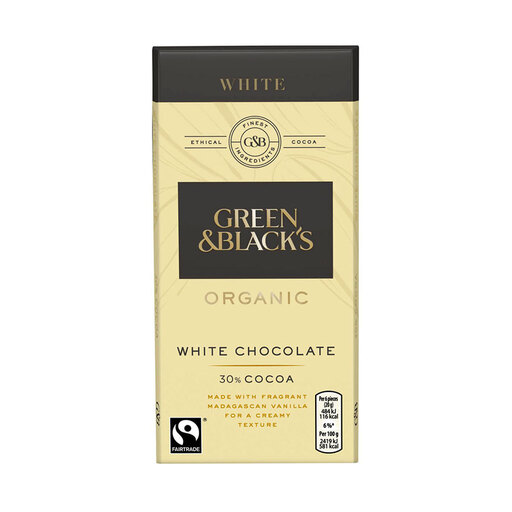
Green & Black's White Chocolate, 90 g
A white-chocolate option when flavour, rather than post-exercise protein, is the reason for choosing chocolate. Check the current pack for portion, nutrition and allergen details before eating it.
View on Joybuy
Questions about chocolate after the gym
Is dark chocolate a better post-gym snack than white chocolate?
A high-cocoa dark bar may suit you better if you want chocolate with less listed sugar: Lindt Shop UK lists 7 g sugars per 100 g for Excellence 90%, while Marks & Spencer lists 54.8 g for Choc Marks White Chocolate. Neither figure makes chocolate a complete post-exercise snack; University College London Hospitals NHS Foundation Trust describes snacks containing carbohydrate and protein around exercise.
What can I have alongside chocolate after a workout?
If you need a post-exercise snack, choose food that includes a protein source and treat chocolate as optional. University College London Hospitals NHS Foundation Trust describes carbohydrate-and-protein snacks for use around exercise, while Northern Care Alliance NHS Foundation Trust advises including a protein source at snack time or after exercise.
Does a vegan-recipe dark bar suit someone with a milk allergy?
Do not assume so from “vegan recipe” alone. Check the exact bar’s current ingredients and precautionary allergen statements before eating it; cocoa percentage does not establish allergen suitability.
Can chocolate be provided as a school snack?
Check the rules for the nation, school setting and date rather than assuming one UK-wide answer. Department for Education guidance addresses food provided in state-funded schools in England, and its published September 2027 secondary-school poster excludes chocolate from its list of permitted snacks. Those school-food requirements are distinct from England’s restrictions on certain retail promotions of products high in fat, sugar or salt.


