Who is a multipack for?
The useful format depends on when the bar will be eaten, who will share the pack and which ingredients each person can have.
People between a demanding session and their next meal
An individually wrapped bar is convenient when a meal is not immediately available. For intense or prolonged exercise, the UK Sports Institute advises a carbohydrate- and protein-rich snack with fluids, followed by a full meal within two hours.
Shoppers checking dietary requirements
Vegan, dairy-free and gluten-free labels answer different questions. Compare the exact bar’s ingredients, protein per serving and allergen statements rather than assuming one label covers every requirement.
Households sharing post-exercise snacks
Individually wrapped bars make portions easy to separate, but pack count, flavours and allergens still matter to each person. Compare nutrition per bar as well as the number of bars in the pack.
What should you compare?
Start with the individual bar, not a claim on the front of the multipack. If it is intended for after intense or prolonged exercise, consider its carbohydrate and protein alongside fluids and the meal that follows, as advised by the UK Sports Institute.
| Priority | What to check | Your needs |
|---|
| Carbohydrate and protein |
Read both values per bar and note the serving weight. Consider what else you will have before your next meal. |
I need something portable after a demanding session when I cannot eat a meal straight away; a bar alone should not be assumed to cover that meal. |
| Sugars and other nutrition |
Compare total sugars, energy and saturates per bar as well as protein. Check the ingredients behind claims such as ‘no added sugar’. |
A front-of-pack claim is not enough for me to judge the whole bar. For example, Tesco lists 13g total sugars per 45g bar for its Nakd Peanut Butter Protein three-pack, despite its no-added-sugar label. |
| Ingredients and allergens |
Check the exact pack’s ingredient list, highlighted allergens and any ‘may contain’ statement. Do this for each flavour in a mixed pack. |
If several people will share the bars, I need to know whether peanuts, nuts, soya or milk affect anyone—not just whether a product is labelled vegan or gluten-free. |
| Pack and portion size |
Check the number of bars, their individual weights and whether flavours differ. Compare per-bar values before treating unlike portions as equivalent. |
A small pack may cover a few sessions or people; a larger one makes sense only if its portions and ingredients work for those who will eat it. |
Brand and product-line references
These examples describe particular UK product lines and pack formats, not every bar sold under each brand.
Nature Valley
Nature Valley’s researched Protein Variety pack contains four 40g bars across Peanut & Chocolate and Salted Caramel Nut flavours.
- The manufacturer lists around 10g protein and around 4g fibre per bar.
- Its ingredient information lists peanuts, soya and milk; check the pack for other allergen warnings.
TREK
The researched Peanut Butter Protein Flapjack comes as a three-pack of 50g oat-based bars.
- Tesco lists 9g plant protein per bar and describes this product as vegan and gluten-free.
- Tesco lists 12g sugars per bar. Check the precise flavour’s ingredients and allergen statement.
Eat Natural
The researched Maple Syrup, Pecans & Peanuts Protein multipack contains three 40g bars.
- Sainsbury’s lists 8g protein, 2.8g fibre and 4.5g sugars per bar for this product.
- Its peanut and pecan ingredients matter when choosing a pack to share.
Nakd
The researched Peanut Butter Protein multipack contains three 45g fruit-and-peanut bars.
- Tesco lists 7.6g protein and 6.8g fibre per bar and describes the product as vegan, gluten-free and dairy-free.
- Its no-added-sugar label does not mean sugar-free: Tesco lists 13g total sugars per bar. It contains peanuts.
Graze
Graze Peanut Butter Oat Boosts come in a four-bar pack with 30g portions.
- Tesco lists 4.6g fibre and 3.1g sugars per bar for this oat-based snack.
- Tesco lists 2.2g protein per bar, so check whether it supplies the protein you want from this snack.
Alpen
Alpen’s UK site describes its wholegrain muesli range. For an Alpen snack-bar multipack, make the decision using that exact product’s current label.
- Check the bar count, per-bar nutrition and ingredients before comparing it with a protein-bar multipack.
Snack-bar multipacks on Joybuy
These packs offer different bar counts and flavours for a portable snack after exercise or for sharing. Check the current label for per-bar nutrition and dietary suitability; the research examples above are not interchangeable with different flavours or pack variants.
 No image available
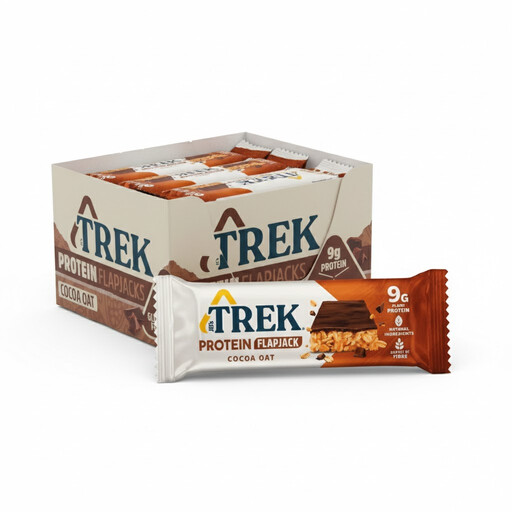
TREK High Protein Cocoa Oat Flapjacks, 16 × 50g
The 16-bar format allows portions to be shared or kept for separate occasions. Check carbohydrate and protein per 50g bar, and confirm the current vegan, gluten-free and allergen statements for this cocoa-oat variant.
View on Joybuy
 No image available
Nature Valley Protein Peanut & Chocolate Bars, 4 × 40g
This four-bar, single-flavour pack offers separate portions for sharing. Product information flags peanuts, soya and milk; check the current pack’s allergens and per-bar carbohydrate and protein before choosing it for a group.
View on Joybuy
 No image available
Nature Valley Protein Salted Caramel Nut Bars, 4 × 40g
The four 40g bars provide a different flavour choice from the Peanut & Chocolate pack. Product information flags almonds, peanuts, milk and soya; check this flavour’s current label rather than applying another bar’s nutrition or allergen details to it.
View on Joybuy
 No image available
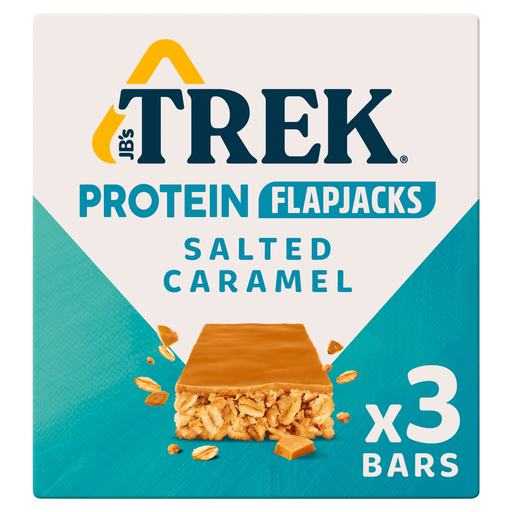
TREK Salted Caramel Protein Flapjacks, 3 × 50g
A three-bar flapjack pack may fit a smaller group or fewer occasions than a larger multipack. Compare the salted caramel variant’s per-bar carbohydrate, protein and sugars, and check its current soya and other allergen statements.
View on Joybuy
 No image available
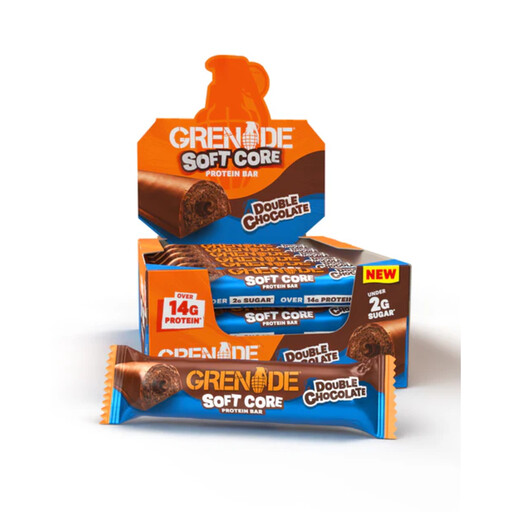
Grenade Soft Core Double Chocolate Protein Bars, 12 × 50g
This 12-bar pack supplies individually portioned chocolate-flavoured bars for separate occasions or sharing. Check carbohydrate as well as protein per bar; product information flags milk, soya and polyols, so read the current ingredients before choosing it for others.
View on Joybuy
Common questions
Can a snack bar replace my meal after exercise?
Do not assume it replaces the meal. For intense or prolonged exercise, the UK Sports Institute advises a carbohydrate- and protein-rich snack with fluids as soon as possible, followed by a full meal shortly after and within two hours. A bar can be the portable snack while you wait to eat.
Should I compare nutrition per 100g or per bar?
Use per-bar figures to judge the portion you will actually eat, then use per-100g figures when you want to compare products on the same weight basis. The researched multipacks contain bars of different sizes, so keep their serving weights alongside any per-bar numbers.
Does ‘no added sugar’ mean a bar has little sugar?
No. Tesco lists 13g total sugars per 45g bar for the researched Nakd Peanut Butter Protein multipack despite its no-added-sugar label. Read the total ‘of which sugars’ value for the bar you are considering.
What should I check before sharing a multipack?
Check the current pack’s ingredients, highlighted allergens and any ‘may contain’ statement for every flavour. Peanuts, nuts, soya and milk appear among the researched products, and a dietary label such as gluten-free does not answer every allergen question.
Is a vegan bar automatically gluten-free or free from other allergens?
No. Tesco describes the researched TREK Peanut Butter Protein Flapjack as vegan and gluten-free, but its allergen information still needs checking for other ingredients and precautionary statements. Confirm each requirement against the exact flavour and current pack.


