
24/7 Customer Support

Free returns

Same-day & Next-day Delivery

Quality Guaranteed

Unlock Your Welcome Offers: FREE Delivery | Up to 80% OFF | Free 30-day JoyPlus trial
Download the APP
The first weeks after childbirth can involve bleeding, breast-milk leakage, swelling, tenderness and changing body measurements. Choosing suitable postpartum care products is less about attractive packaging and more about matching absorbency, fit, hygiene and support to your daily routine.
Whether you need postpartum underwear, maternity breast pads, disposable postpartum panties or a post-surgery compression bra, a few common buying traps are worth avoiding.
Terms such as “maximum absorbency” or “all-day protection” do not explain how a product performs during movement, overnight use or heavier flow. Check whether the absorbency figure is expressed in millilitres, pad equivalents or simply promotional wording.
For heavy-flow protection, look for practical design details such as a long absorbent core, raised side edges, anti-leak barriers and secure elastic leg gathers. Remember that any stated duration, such as up to 12 hours, is a product claim and may vary according to flow, fit and activity.
A tight garment is not automatically more supportive. A poor fit can create pressure points, rolling edges or discomfort when sitting and moving. This is particularly important with a postoperative body shaper or compression bra.
Always measure according to the product’s size chart rather than choosing your usual clothing size. If you are recovering from surgery, use compression garments only according to your surgeon’s or clinician’s instructions.
Disposable period underwear and postpartum panties are designed for single use, while reusable garments require careful washing. Breast pads should be changed regularly, especially if damp, to help maintain comfort and hygiene.
Look for individually wrapped pads when carrying spares in a changing bag, and check whether a garment requires hand washing, air drying or specific storage. These details affect the practical cost and convenience of ownership.
For postpartum bleeding or urinary leakage, compare the complete protection system rather than one headline feature. Useful details include:
Women’s incontinence underwear may be suitable for some postpartum leakage needs, but it is not a substitute for medical advice. Seek healthcare support for unusually heavy bleeding, severe pain, fever or other concerning symptoms.
When comparing maternity breast pads and breastfeeding nursing pads, consider:
Disposable pads are convenient for hospital bags and travel, while washable pads may reduce ongoing waste if you have suitable laundry facilities.
A post-surgery compression bra may include front hooks, adjustable straps and moulded cups. These features can make it easier to put on when arm movement is limited. A bodysuit may provide coverage across the abdomen, waist and back, but it will usually require more effort to wear and remove.
Check the following before purchasing:
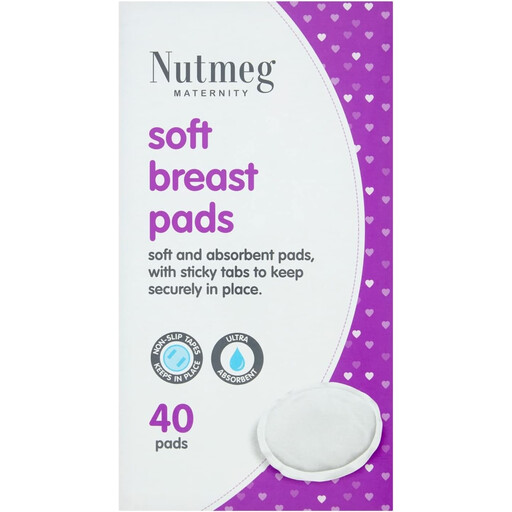
Why This Fits Their Persona: A straightforward option for nursing mothers building a practical daily supply for home, hospital visits or a changing bag.
The individually wrapped format makes it easier to carry replacements, while adhesive tabs address the common problem of pads shifting inside a bra.
Soft non-woven material, absorbent polymer core, adhesive tabs and 40 individually wrapped pads.
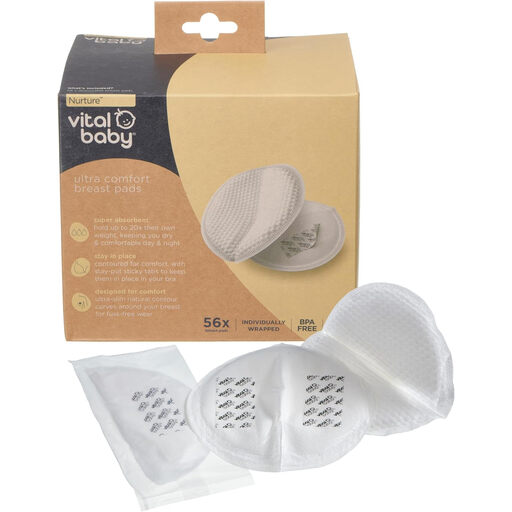
Why This Fits Their Persona: Suited to breastfeeding mothers who prioritise a shaped, discreet fit and want a larger pack for regular day-and-night use.
The 3D contour and double adhesive tabs focus on fit and stability rather than relying only on an absorbency headline.
56 pads, waterproof backing, 3D contoured shape and individually wrapped packaging.

Why This Fits Their Persona: Designed for women comparing disposable period underwear for heavy flow, overnight use or postpartum days when wider coverage is useful.
Its five-layer core, extra-long absorbent area and raised side edges provide more construction detail than a vague “leak-proof” label alone.
Individually wrapped, disposable design with a three-times-stretchable waistband and stated capacity equivalent to four regular pads.
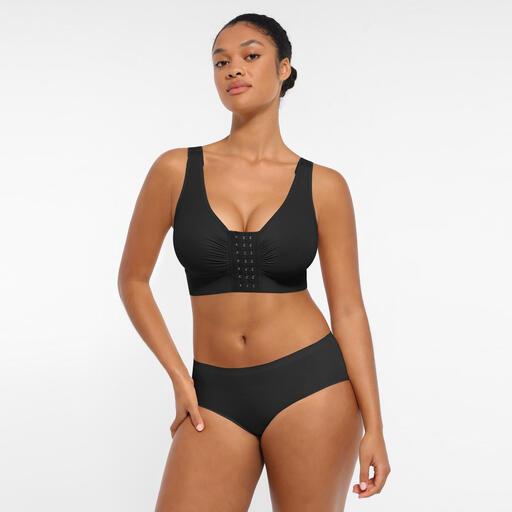
Why This Fits Their Persona: A consideration for women who need adjustable chest support after a procedure or during pregnancy, subject to professional guidance.
The six-row front hook closure allows adjustment, while moulded cups and a defined nylon-spandex composition provide clear construction information.
53% nylon and 47% spandex, moulded cups, adjustable front fastening and hand-wash care instructions.
We have compiled a complete, real-time list of products that fully satisfy these strict selection criteria and UK safety regulations.
A practical UK hospital or home-recovery kit may include several pairs of high-coverage postpartum underwear, disposable postpartum panties for convenience, maternity breast pads if breastfeeding, spare comfortable bras and unscented personal hygiene supplies. Choose products that are easy to change and dispose of, particularly during the first few days.
Change disposable underwear when it becomes wet, uncomfortable or soiled, and follow the packaging instructions. Breast pads should be replaced when damp; some product guidance recommends changing them every two to three hours. Frequent changes can help maintain dryness and reduce irritation, but persistent soreness should be discussed with a healthcare professional.
Disposable period underwear can provide broad coverage for heavy flow and may be convenient during postpartum recovery. However, postpartum bleeding differs from a normal period. Choose a product with suitable coverage, monitor changes in bleeding and follow advice from your midwife, GP or maternity team. Do not flush disposable underwear or pads; dispose of them in household waste according to the product instructions.