Potato crisps can be a savoury side after exercise, but a packet alone is not a complete recovery choice when you need to refuel promptly. The British Dietetic Association advises carbohydrate-rich food and fluids when quick recovery is required, while the British Heart Foundation advises protein alongside carbohydrate after sessions lasting more than an hour. If you still want crisps, compare the labelled portion, fat and salt separately from what the rest of your food and drink provide.
Who is this choice for?
Gym-goers wanting something savoury
If you fancy crisps after training, decide what else you will eat and drink rather than treating the packet as the whole recovery snack. The British Heart Foundation advises protein alongside carbohydrate after exercise lasting more than an hour.
People training again soon
When a quick turnaround matters, the British Dietetic Association advises starting to refuel with carbohydrate-rich food and fluids as soon as possible after exercise. Crisps may be part of what you eat, but do not cover that whole plan on their own.
Shoppers comparing portions, fat and salt
If crisps are a side to a meal, compare the portion you expect to eat with the nutrition shown per pack or per 100g. Flavour names and bag size alone do not tell you how much fat or salt that portion contains.
What should you compare?
Start with what the rest of your post-exercise food and drink need to provide. Then compare crisps as a portioned savoury side, using the same label basis across products.
| Priority | What to check | Your needs |
|---|
| Recovery food | Check what protein-containing food and carbohydrate you plan to have, and whether you need fluids after exercise. Compare protein per crisp serving rather than assuming the packet covers the meal. | If I need to refuel quickly or have trained for more than an hour, I want food and drink that address those needs, with crisps only as an optional side. The British Dietetic Association advises prompt carbohydrate refuelling when quick recovery is needed; the British Heart Foundation advises protein alongside carbohydrate after sessions longer than an hour. |
| Salt | Read salt in grams per pack and per 100g. For example, Walkers labels its Lightly Salted 25g pack at 0.17g salt and its Ready Salted 25g pack at 0.34g. | I want to know how much salt the portion I will actually eat contains, rather than relying on words such as ‘sea salt’ or ‘lightly salted’. |
| Fat | Compare fat for the same amount of crisps, or check each labelled pack size before comparing per-pack figures. Walkers Lightly Salted lists 7.8g fat per 25g pack; Kettle Chips lists 29.5g per 100g for Lightly Salted. | When crisps accompany my food after exercise, I may want to choose the portion by its labelled fat content without assuming that tells me how much protein it provides. |
| Portion size | Check whether the nutrition panel describes one small bag, a serving taken from a sharing bag, or 100g. Work out how many labelled servings you intend to eat. | A single bag gives me a defined portion. With a sharing bag, I would decide on a serving before comparing its nutrition with a smaller pack. |
Common buying mistakes
-
Treating crisps as the entire recovery snack
Walkers Ready Salted lists 1.6g protein per 25g pack, and Seabrook Sea Salted lists 1.9g per 31.8g bag. For exercise lasting more than an hour, the British Heart Foundation advises protein alongside carbohydrate after the session.
Plan your food and drink around the session first; have crisps as a savoury addition if you want them.
-
Assuming salted and baked descriptions mean the same thing
A flavour name or cooking description does not establish the fat, salt and protein in the portion you will eat. Walkers Lightly Salted and Ready Salted, for instance, have different labelled salt amounts for the same 25g pack size.
Compare the current labels in grams per pack or per 100g, according to the attribute that matters to you.
-
Reading a sharing bag as one serving
Nutrition may be stated per 100g or for a serving smaller than the bag. Eating more than that serving changes the total fat and salt consumed.
Check the bag weight and serving size, then compare products using the amount you intend to eat.
-
Using an online description for the final allergen check
Ingredients and precautionary allergen statements can differ between flavours. The Food Standards Agency explains that precautionary labels communicate a possible unintended presence of regulated allergens.
If an ingredient or allergen matters to you, read the statement on the physical pack before eating.
Brand and product-range references
These examples help distinguish labelled crisp formats; a brand name alone does not establish the nutrition of every flavour or pack.
Walkers
Its Ready Salted and Lightly Salted labels offer a direct comparison at 25g per pack.
- Walkers lists 0.17g salt and 7.8g fat for Lightly Salted, versus 0.34g salt and 7.7g fat for Ready Salted.
- Both labels list 1.6g protein per pack; a salt comparison does not answer the wider recovery-food question.
Tyrrells
Tyrrells describes its potato crisps as hand-cooked in small batches using English potatoes.
- Its range includes lightly salted and no-salt choices.
- Compare the nutrition panel for the particular flavour and portion you are buying.
Kettle Chips
Lightly Salted is a hand-cooked crisp with published nutrition per 100g.
- Kettle Chips lists 0.7g salt and 6.5g protein per 100g for Lightly Salted.
- The same label lists 29.5g fat per 100g; check your intended serving rather than treating ‘lightly salted’ as a statement about fat.
Seabrook
The Sea Salted nutrition label provides figures for a 31.8g bag.
- Seabrook lists 9.7g fat, 1.9g protein and 0.4g salt per bag.
- Compare those per-bag figures with the portion size on any other crisp label before drawing a conclusion.
Pipers
Anglesey Sea Salt is a salted reference flavour in the Pipers range.
- Pipers lists 30.7g fat, 5.1g protein and 0.94g salt per 100g for Anglesey Sea Salt.
- Those figures are for this flavour per 100g, not for every Pipers product or an entire bag of another size.
Real Crisps
REAL Sea Salt is a hand-cooked potato crisp with a published per-100g nutrition panel.
- REAL lists 30.0g fat, 5.6g protein and 1.3g salt per 100g.
- A separate Tesco listing for a 35g pack gives 2.4g protein and 0.47g salt; keep the pack size in view when comparing figures.
Crisp options on Joybuy
These lightly salted sharing bags are options for a savoury side after exercise. Check the portion you intend to serve and plan any other food and drink separately.
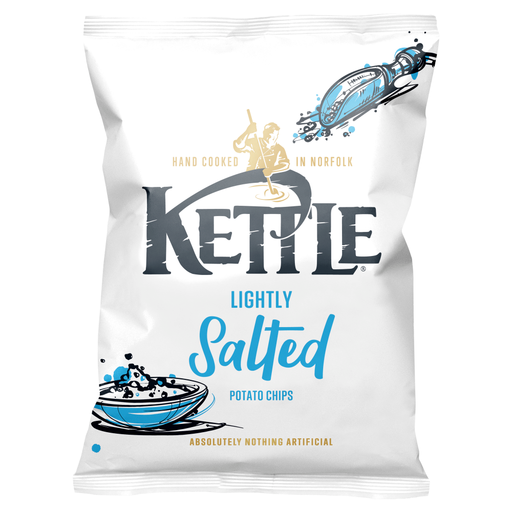 Image unavailable
Kettle Chips Lightly Salted 130g
A 130g sharing bag for serving crisps alongside other post-exercise food. Kettle Chips lists 29.5g fat, 6.5g protein and 0.7g salt per 100g for Lightly Salted; compare those figures with the portion you plan to eat.
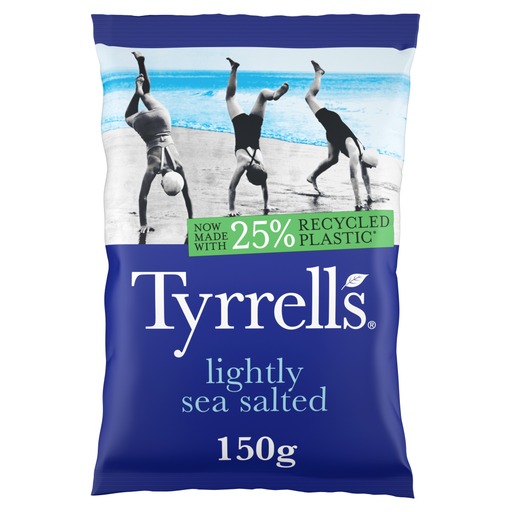 Image unavailable
Tyrrells Lightly Sea Salted English Crisps 150g
This 150g sharing bag offers a lightly sea salted option if you want crisps with other post-exercise food. Check the current label for the serving size and its fat, salt and protein amounts.
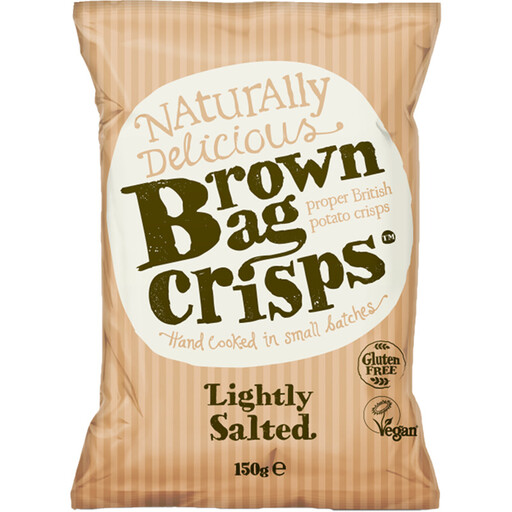 Image unavailable
Brown Bag Crisps Lightly Salted 150g
A 150g sharing bag for a salted crisp side. Use the pack’s serving size and nutrition panel to judge the portion you plan to eat; the flavour name alone does not give its salt content.
Questions about crisps after exercise
Can a packet of crisps be my whole post-workout snack?
Not when you need a snack to cover recovery food and fluid needs. The British Heart Foundation advises protein alongside carbohydrate after sessions lasting more than an hour, suggesting 15–30g protein afterwards; Walkers Ready Salted lists 1.6g protein per 25g pack. Consider crisps as a side to the other food and drink you need.
When is prompt refuelling particularly relevant?
It matters when quick recovery is required, such as when another demanding session follows soon. The British Dietetic Association advises starting with carbohydrate-rich foods and fluids as soon as possible after exercise in that situation.
Does ‘lightly salted’ tell me how much salt I will eat?
No: read the grams of salt for the portion you intend to eat. Walkers lists 0.17g salt per 25g Lightly Salted pack and 0.34g per 25g Ready Salted pack; other products and portion sizes need their own label check.
How do I compare a sharing bag with a single pack?
Choose the amount you expect to eat, then compare nutrition for that amount. A label may give figures per 100g or per serving rather than for the whole sharing bag, so check both the bag weight and stated serving size.
Which label should I use to check allergens?
Read the current physical pack for the exact flavour before eating. Ingredients and precautionary statements can differ between products; the Food Standards Agency explains that a precautionary allergen label signals possible unintended allergen presence.


