Who needs to check what?
The useful label information depends on the allergen you are checking for, not just whether a bag is described as plain or free from.
Shoppers avoiding gluten
Look for a gluten-free declaration on the exact crisps. Coeliac UK notes that seasoning and frying can affect whether potato crisps are suitable for a gluten-free diet, even though potatoes themselves are naturally gluten-free. Check the current bag’s ingredients and allergy advice as well as its front-of-pack claim.
Households managing milk or multiple allergies
Check every named allergen against the exact flavour’s ingredients and precautionary statements. Pipers lists milk ingredients in some cheese and cider-vinegar flavours, while Tyrrells Naked has a short ingredient list but says it may contain milk. Neither the brand nor the apparent simplicity of a flavour settles the question.
Parents and carers buying multipacks
Keep the outer wrapper available so you can check which product and flavour an inner bag belongs to and read its allergen information. If an individual bag has too little information to assess for the person eating it, use a fully labelled pack instead.
What to check before choosing
Name the allergen first, then read the current pack for ingredients, relevant free-from claims and precautionary wording. Assess each flavour separately, even within a familiar range.
| Priority |
What to check |
Your needs |
| Named allergen |
Read the full ingredients list for the exact flavour. Check its allergy advice and do not rely on a previous pack or an online listing alone. Food Standards Agency guidance covers declaration of the 14 allergens regulated in UK food law when they are ingredients; other ingredients can matter too. |
I need to identify the particular ingredient or ingredients I avoid, including anything outside the 14 regulated allergens. |
| Gluten-free claim |
Look for a gluten-free declaration on the exact product. Read the seasoning ingredients and any relevant precautionary statement: Coeliac UK cautions that frying and seasoning can affect crisps’ suitability for a gluten-free diet. |
For gluten avoidance, I want a product-level claim rather than assuming that crisps are suitable because they are made from potatoes. |
| Precautionary wording |
Check for statements such as “may contain” and “made in a factory that also handles” your allergen. Food Standards Agency-commissioned research describes precautionary allergen labelling as information about possible unintended presence, distinct from a listed ingredient. |
A recipe without my allergen is not enough for my decision if the pack also carries a relevant cross-contact warning. |
| Dietary labels |
Treat vegan or vegetarian wording separately from allergy advice. Anaphylaxis UK explains that vegan labelling does not guarantee a product is free from allergens; inspect the ingredients and precautionary information for the allergen concerned. |
If I am avoiding milk or another animal-derived ingredient because of an allergy, I still need to read the allergy information on a vegan-labelled bag. |
Brand and flavour references
These examples describe particular products or stated ranges, not an allergy-safe status for every crisp carrying the brand name.
KETTLE Chips
KETTLE Chips describes its Lightly Salted product as gluten-free and lists potatoes, vegetable oils and sea salt as ingredients.
- The manufacturer also labels this exact product vegan and vegetarian.
- Those declarations do not establish its suitability for a different allergen; check the current pack’s allergy information.
Seabrook
Seabrook labels Sea Salted gluten-free and lists potatoes, vegetable oils and sea salt. The brand also states that its crisps and snacks are gluten-free.
- Sea Salted is labelled vegetarian and vegan by Seabrook.
- A gluten-free range claim does not establish that each flavour is free from milk or another allergen.
Pipers
Pipers labels Anglesey Sea Salt gluten-free; its stated ingredients are potatoes, sunflower oil and Anglesey sea salt.
- Anglesey Sea Salt is also labelled vegetarian and vegan.
- Pipers Lye Cross Cheddar & Onion lists cheese powder and milk powder, while Burrow Hill Cider Vinegar & Sea Salt lists lactose (milk). Check the exact flavour for milk.
REAL Hand Cooked Crisps
REAL states that its crisp range is vegetarian and gluten-free, while directing shoppers to individual flavours for allergen information.
- ASDA Groceries lists REAL Sea Salt & Cider Vinegar as free from cereals containing gluten.
- Check each flavour’s complete ingredient and allergy information for allergens other than gluten.
Tyrrells
Tyrrells Naked (no salt) lists potatoes and sunflower oil as ingredients.
- Its short stated recipe gives shoppers a concise ingredient list to review.
- The same product says “may contain milk”, so the ingredient list alone does not settle a milk-allergy decision.
Walkers
Walkers provides factory-handling information for its Ready Salted crisps alongside the product’s ingredients.
- The Ready Salted listing identifies potatoes, vegetable oils and salt as ingredients.
- Walkers states that Ready Salted is made in a factory that also handles milk, wheat, gluten, barley, soya, celery and mustard. Check that information against the allergen you need to avoid.
Potato crisps on Joybuy
These two potato-crisp options offer different flavours to assess when shopping with an allergy. Check the current pack of either product for the specific allergen you avoid; a flavour name or dietary label is not a substitute for its allergy information.
 No image available
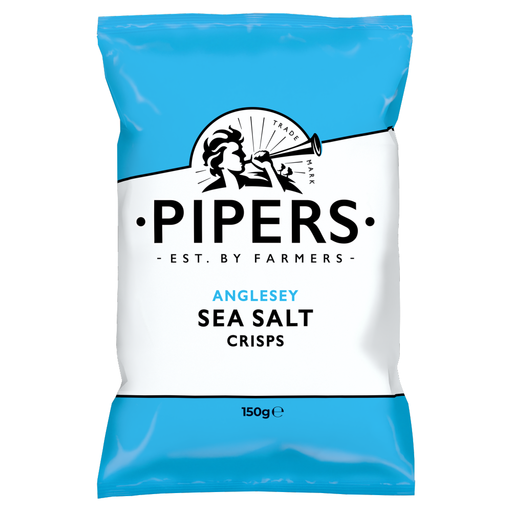
Pipers Anglesey Sea Salt Crisps 150g
A sea-salt flavour to consider when checking crisps for gluten: Pipers labels Anglesey Sea Salt gluten-free and lists potatoes, sunflower oil and Anglesey sea salt. Check the current 150g pack’s ingredients and allergy advice for every allergen relevant to you.
View on Joybuy
 No image available
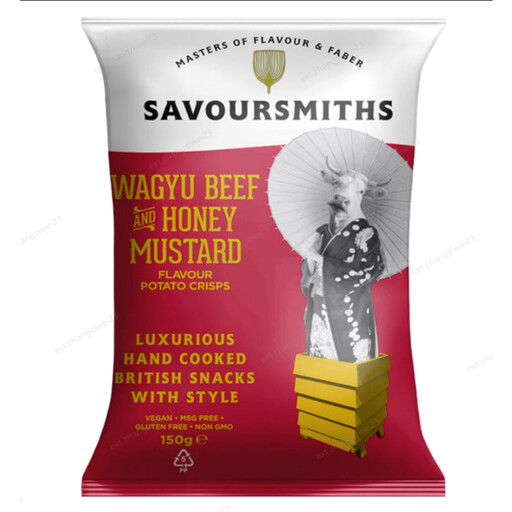
Savoursmiths Vegan Wagyu Beef & Honey Mustard Flavour Potato Crisps 150g
For this flavoured option, review the current 150g pack’s complete seasoning ingredients and precautionary allergen information. “Vegan” in the product name does not establish suitability for a milk allergy or any other food allergy.
View on Joybuy
Questions about crisps and allergens
Are plain potato crisps automatically suitable when avoiding gluten?
No. Coeliac UK explains that seasoning and frying can affect whether crisps are suitable for a gluten-free diet, despite potatoes being naturally gluten-free. Look for a gluten-free declaration on the exact product and check its current ingredients and allergy advice.
Does a vegan label mean crisps are suitable for a milk allergy?
No. Anaphylaxis UK says vegan labelling does not guarantee that food is free from allergens. Check the exact bag’s ingredients and any precautionary information concerning milk.
What should I make of “may contain” or factory-handling wording?
Treat it as information about possible unintended allergen presence, rather than as a listed ingredient. Food Standards Agency-commissioned research describes this purpose of precautionary allergen labelling; check whether the named allergen is relevant to your own allergy-management advice.
Does the UK allergen declaration cover every ingredient someone could react to?
No. Food Standards Agency guidance says UK food law requires declaration of 14 specified allergens when they are ingredients, while people can also react to other ingredients. Read the complete ingredients list for the substance you need to avoid, not only the emphasised allergen names.
Can an online crisp listing replace a check of the pack?
No. Use a listing to identify products to consider, then read the pack you receive before eating the crisps. Anaphylaxis UK advises checking labels each time you buy because ingredients and labels can change.


