
24/7 Customer Support

Free returns

Same-day & Next-day Delivery

Quality Guaranteed

Unlock Your Welcome Offers: FREE Delivery | Up to 80% OFF | Free 30-day JoyPlus trial
Download the APP
Choosing potato crisps and snacks can look straightforward until you compare flavours, pack sizes, ingredients and nutritional information. A bag labelled “gourmet” may simply offer thicker slices, while vegetable crisps may still contain a considerable amount of oil. International snacks can also include allergens, sweeteners or flavour enhancers that are easy to miss when shopping quickly.
This guide highlights the main buying pitfalls and explains how to choose suitable snacks for packed lunches, office drawers, parties, family sharing or trying something new.
Plantain chips, yam chips, taro chips and vegetable crisps offer alternatives to conventional potato snacks, but the base ingredient does not automatically make a product lower in fat, salt or sugar. For example, frying and seasoning methods can significantly change the nutritional profile.
Check the per 100g information rather than relying on front-of-pack wording. This makes it easier to compare a small 40g bag of garlic crisps with a larger 150g sharing pack.
“Extra crunchy” can mean thick-cut, ridged or kettle-cooked crisps, but texture is personal. Thick crisps may work well with dips and sharing platters, while thin or puffed snacks are often easier to eat on the go.
A large sharing bag may offer a lower cost per gram, but smaller individual packs can help with portion control and freshness. Once opened, most ready-to-eat snacks gradually lose their crispness, particularly if the bag is not resealed.
Flavours such as salted egg yolk, spicy chilli, barbecue, cucumber or honey and Dijon mustard can involve several seasonings, sweeteners and flavour enhancers. Always read the ingredients and allergen statement, especially when buying Chinese snacks or Japanese snacks for a group.
Relevant allergens in the products listed below include milk, egg, soya, wheat, fish, celery, mustard and gluten-containing cereals. Some products also state that they may contain traces of other allergens because of the manufacturing environment.
For UK shoppers, the ingredient list is one of the most useful comparison tools. Look for the main base ingredient, such as potatoes, lentil flour, plantain, yam, taro or mushrooms, then check the seasoning blend.
If you have an allergy or dietary restriction, do not rely only on product titles such as “vegetarian”, “vegan” or “gluten-free”. Check the current packaging and allergen information before consumption.
Use the nutrition panel to compare energy, fat, saturates, carbohydrates, sugars and salt. The serving size is also important: a 30g portion gives a more realistic view of a small snack, while per-100g values make products easier to compare.
For example, Eat Real Sea Salt Lentil Chips list 459 kcal and 2.4g salt per 100g, while Tyrrells Lightly Sea Salted Crisps list 519 kcal and 0.65g salt per 100g. These figures illustrate why “vegetable-based” or “lentil-based” does not automatically mean lower in every nutritional category.
Choose the pack size around how the snack will be used:
Store unopened snacks in a cool, dry place away from direct sunlight. After opening, seal the bag or transfer the contents to an airtight container and consume promptly for a crisper texture.
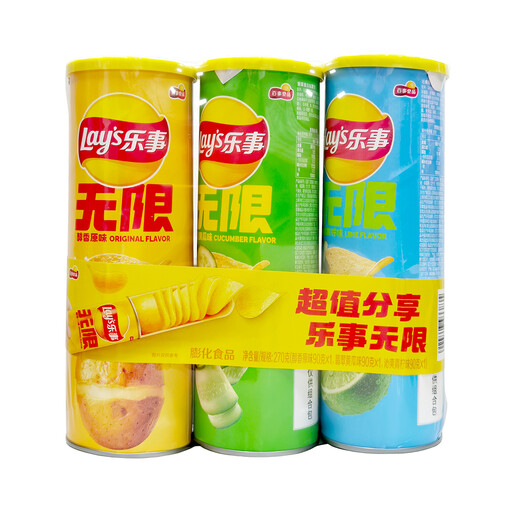
Why This Fits Their Persona: Three 90g bags offer variety for students, flatmates or families without committing to one flavour.
The mixed format reduces the risk of buying a large bag of a flavour that some guests may not enjoy.
Includes original, cucumber and lime flavours; ready to eat and supplied as three separate bags.
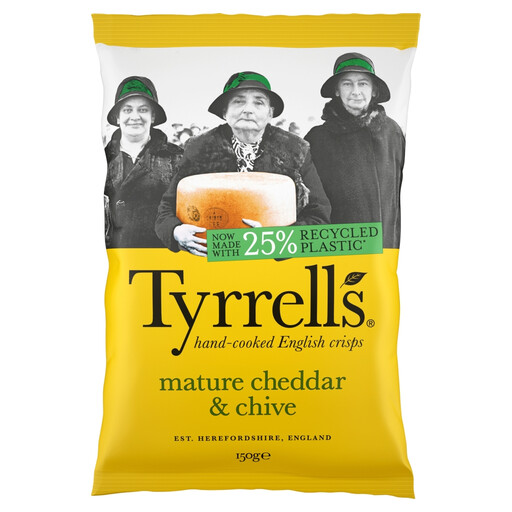
Why This Fits Their Persona: A 150g pack suits hosts preparing sharing platters, serving dips or pairing snacks with drinks.
The product description identifies hand-cooked, thick-cut crisps and gives a clear milk allergen statement, making comparison more straightforward.
Made with British potatoes; mature cheddar and chive seasoning; 4.5g dietary fibre per 100g.
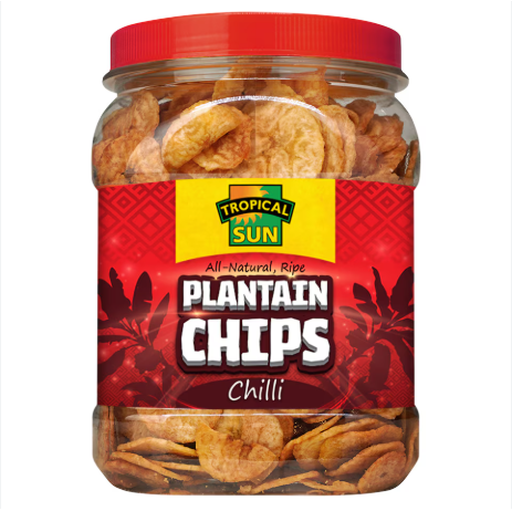
Why This Fits Their Persona: The large 450g pack is suited to frequent sharers, party hosts and shoppers who want a distinctive alternative to potato crisps.
The listing clearly identifies plantain, sunflower oil, chilli seasoning and an allergen-free ingredient statement, rather than relying only on tropical-themed packaging.
Large sharing format; chilli, garlic and onion seasoning; listed as gluten-free and vegan-friendly by the product information.
We have compiled a complete, real-time list of products that fully satisfy these strict selection criteria and UK safety regulations.
Not necessarily. Vegetable crisps can offer different ingredients and textures, but their oil, salt, sugar and energy values vary. Compare the nutrition panel per 100g and per serving before buying.
Reseal the original bag tightly or move the crisps into an airtight container. Keep them in a cool, dry place away from moisture and direct sunlight, and consume them promptly for a firmer texture.
Multi-flavour packs and 130g–150g sharing bags provide variety without requiring every guest to choose the same taste. For a broader table, combine salted crisps, spicy potato chips, plantain chips and international flavours, while displaying the allergen information for guests.