
24/7 Customer Support

Free returns

Same-day & Next-day Delivery

Quality Guaranteed

Unlock Your Welcome Offers: FREE Delivery | Up to 80% OFF | Free 30-day JoyPlus trial
Download the APP
Buying potato crisps online can look straightforward until you compare pack sizes, ingredients, flavour descriptions and serving formats. A bag labelled as a sharing option may suit a family film night but offer poor portion control, while an imported flavour may contain allergens or sweeteners that are easy to miss when shopping quickly.
This guide explains the practical details to check before buying, followed by our top recommendations for lunchboxes, parties, everyday snacking and international flavour discovery.
A 150g multipack can mean six separate 25g bags or one large sharing bag. The total weight is identical, but the buying decision is not. Individual snack packs are more convenient for lunchboxes and office drawers, while sharing crisps are more suitable for serving in bowls.
Check both the number of bags and weight per bag, rather than relying only on the total quantity. For example, a 6 x 25g pack gives six clearly divided portions, whereas a 180g sharing bag needs to be portioned manually once opened.
“Cheese”, “barbecue”, “steak” and “seaweed” describe the seasoning profile, not necessarily the main ingredients. Flavoured crisps may include milk, wheat, soya, mustard, sesame or crustacean ingredients. Some international crisps also contain sweeteners and a source of phenylalanine.
Always read the allergen declaration and full ingredients list on the product page and packaging. Imported products can have different recipes from similarly named UK products.
Terms such as baked, non-fried or made from potato flakes describe the manufacturing process, not the overall nutritional suitability of a product. Compare the nutrition panel, particularly energy, fat, saturates and salt per 100g. A product with a distinctive format or flavour can still have a similar energy content to conventional potato crisps.
Choose the pack style according to how it will be used:
The ingredient list should be checked before adding a product to your basket, especially when buying flavoured crisps or international crisps. Common ingredients include potato or dehydrated potato, vegetable oil, salt, seasoning, flour and flavour enhancers.
For example, cheese crisps may contain milk and wheat; chilli or barbecue crisps may include several seasoning components; and roasted seaweed crisps can contain wheat, soya, milk, sesame or shrimp-derived ingredients. If you are buying for children or guests, confirm the bold allergen information and do not rely solely on the product title.
Nutrition panels are generally shown per 100g, but the actual serving can be much smaller. Walkers Ready Salted Crisps list 519 kcal and 1.2g salt per 100g, while a 25g bag is a more practical unit for lunchbox planning. Doritos Tangy Cheese is supplied as five 30g bags, with 144 calories stated per inner pack.
Store ready-to-eat snacks in a cool, dry place, away from direct sunlight and moisture. Once a sharing bag is opened, reseal it or transfer the crisps to an airtight container to help retain texture. Always use the best-before information on the packaging as the final reference.
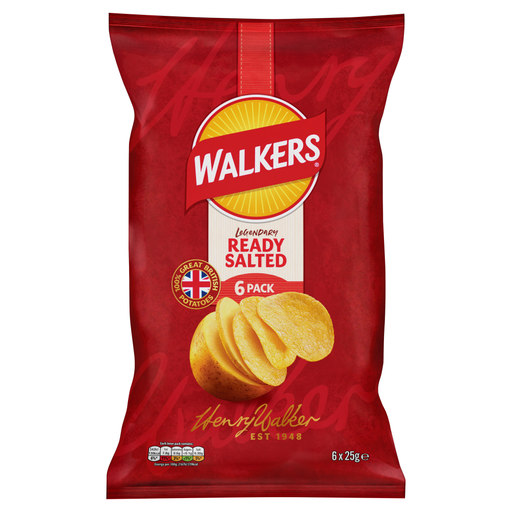
Why This Fits Their Persona: Six 25g individual bags provide a familiar ready salted flavour for lunchboxes, daily snacks and shared household cupboards without opening a large bag.
The six-bag format makes the portion size clear and avoids treating a full multipack as one serving.
25g inner packs; made with Great British potatoes; suitable for vegan and vegetarian diets according to the supplied product information.
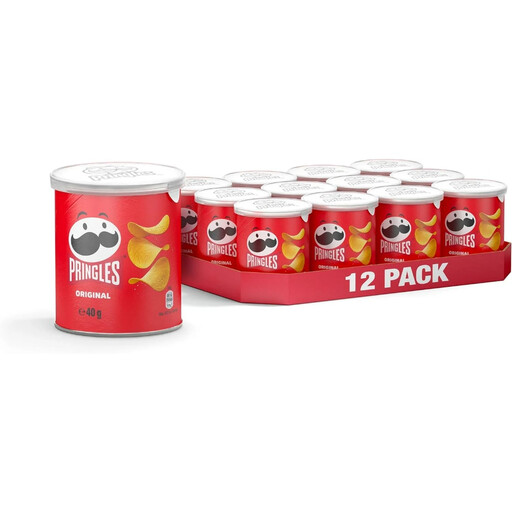
Why This Fits Their Persona: The stackable format offers consistent shape and seasoning, making it suitable for hosts who want an orderly party snack presentation.
The 12 x 40g format shows the number of containers and portion size clearly, rather than disguising quantity in one large pack.
Twelve separate 40g tubes; curved, stackable crisps; original savoury flavour.
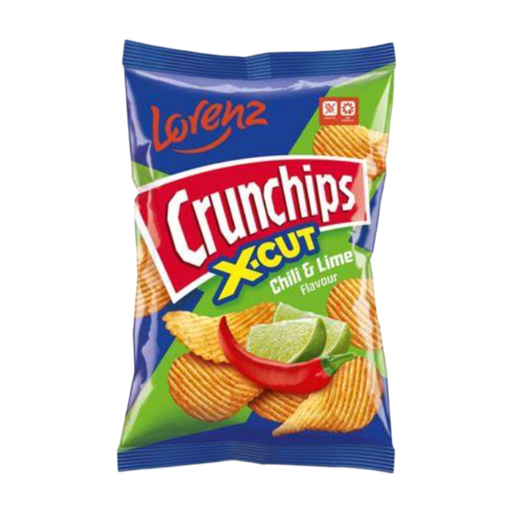
Why This Fits Their Persona: The 200g sharing bag is suited to parties, film nights and households looking for a pronounced spicy crisps flavour.
The stated 200g quantity makes it easier to plan for group serving, while the ingredient list identifies the chilli, lime and seasoning components.
200g sharing size; X-cut texture; chilli and lime seasoning; resealing is recommended after opening.

Why This Fits Their Persona: A 70g bag with roasted seaweed seasoning offers a different flavour direction from traditional ready salted, cheese or barbecue crisps.
The product information identifies milk, soya, wheat, sesame and crustacean allergens, plus aspartame, so shoppers can check suitability before buying.
70g ready-to-eat bag; roasted seaweed seasoning; thin-sliced crisp texture.
We have compiled a complete, real-time list of products that fully satisfy these strict selection criteria and UK safety regulations.
They can be convenient because each inner bag provides a defined portion and remains sealed until needed. Check the individual weight, allergen information and suitability for the child or recipient. Small formats such as 13g, 25g and 30g are commonly easier to pack than a sharing bag.
Keep unopened products in a cool, dry place. After opening a sharing bag, close it securely or use an airtight container and consume promptly. Moisture is the main practical cause of lost crispness, so avoid leaving open bags near steam or humid areas.
Sharing crisps, tortilla chips and multi-container formats are convenient for gatherings because they can be placed in bowls or served alongside dips. Consider offering more than one flavour, such as ready salted, cheese crisps, barbecue crisps and spicy crisps, while checking allergen labels before serving guests.