
24/7 Customer Support

Free returns

Same-day & Next-day Delivery

Quality Guaranteed

Unlock Your Welcome Offers: FREE Delivery | Up to 80% OFF | Free 30-day JoyPlus trial
Download the APP
Buying potato crisps online can appear straightforward, but pack size, flavour descriptions and processing methods can make products difficult to compare. A large bag may not offer better value if much of it is intended for sharing, while an attractive international flavour may contain allergens that are easy to overlook.
The most common buying pitfalls are:
For solo snacking, single-serve packs between 40g and 70g can help provide a defined portion. Multipacks are more practical for lunchboxes, office drawers and school holidays, but calculate the total weight rather than judging value by the number of bags.
A crisps multipack such as six 22g packets provides 132g in total, while a 12-pack of 40g tubes provides 480g. The latter may suit parties or shared cupboards, but could be excessive for occasional personal use.
For gatherings, sharing crisps in 150g bags or larger formats are convenient. Reseal the pack where possible, although most crisps are best consumed soon after opening to retain their texture.
The phrase “potato crisps” does not always mean the product contains only sliced potatoes. Some snacks use potato flakes, starch, wheat flour or a combination of ingredients.
Check the following before placing an order:
For example, roasted seaweed crisps may include wheat, soya, milk, sesame and shrimp extract. Teriyaki seasoning commonly contains soya and wheat, while cheese and onion crisps generally contain milk.
The UK nutrition panel is normally presented per 100g, making it easier to compare original potato crisps with baked crisps, gourmet crisps and flavoured varieties.
Look at:
A non-fried baked potato-stick product may have a different texture and nutrition profile from thin fried slices. Neither description alone tells you whether it suits your preferences, so compare the figures directly.
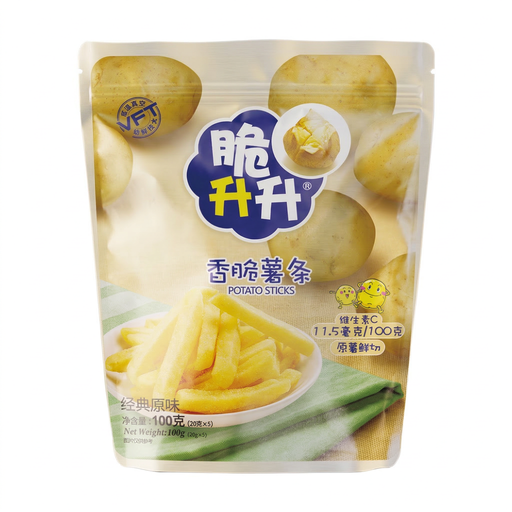
Why This Fits Their Persona: Five 20g pouches make this a manageable option for students, desk drawers and small lunchbox treats without opening a large sharing bag.
The pack count and 20g individual format make the portion arrangement clear. The original recipe also avoids a long list of added flavour seasonings.
Non-fried baked potato sticks with potato, vegetable oil, salt and glucose listed as ingredients; ready to eat.
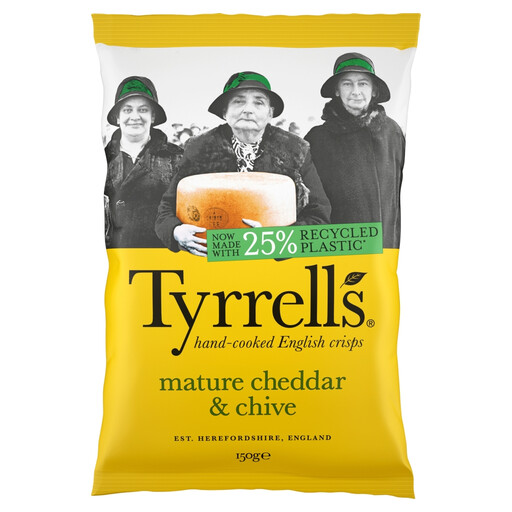
Why This Fits Their Persona: The 150g sharing format suits a cheese board, drinks gathering or relaxed weekend snack where a thicker-cut texture is preferred.
The product description identifies the hand-cooked format, British potatoes and mature cheddar and chive seasoning, rather than relying only on a broad “gourmet” label.
Thick-cut crisps with a stated British origin; contains milk and may contain gluten, so the allergen information is clear to review.
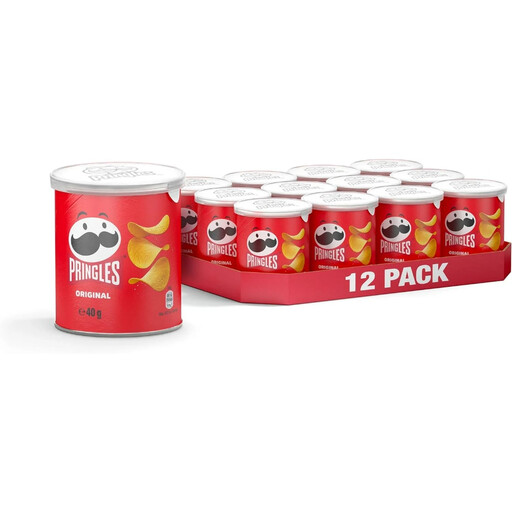
Why This Fits Their Persona: Twelve 40g tubes are suitable for parties, office snack cupboards, student accommodation and households that want multiple ready-to-eat snacks.
The total quantity is stated as 12 x 40g, so shoppers can compare it with loose sharing bags and individual packets more accurately.
Stackable format, original flavour and a defined 40g pack size; contains wheat and may contain soya.
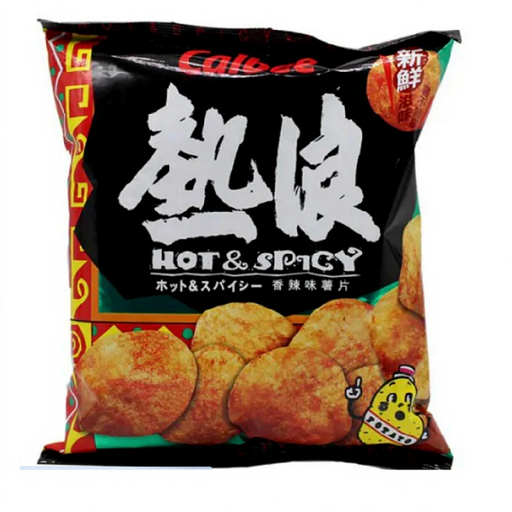
Why This Fits Their Persona: This single 55g pack offers a convenient way to try Japanese crisps with a chilli-seasoned flavour without committing to a multipack.
The flavour profile is specified as spicy seasoning with chilli powder and spices, giving a clearer indication of what to expect than a vague “special flavour” description.
Thinly sliced potato crisps in a 55g ready-to-eat bag; the listed ingredients are potato, vegetable oil and spicy seasoning.
We have compiled a complete, real-time list of products that fully satisfy these strict selection criteria and UK safety regulations.
Choose original potato crisps when you want a flexible snack to serve with sandwiches or dips. Cheese and onion crisps work well for familiar lunchbox and party flavours, but check for milk. Tomato crisps can provide a sweeter, tangier profile, while spicy crisps suit those looking for chilli seasoning.
For variety, assorted crisp packs can combine original, tomato and barbecue-style flavours. A three-pack such as Lay’s 90g x 3 can suit casual sharing, although the listed ingredients and allergen warnings should be reviewed for each flavour.
They may contain less fat, but this depends on the recipe and serving size. Compare the nutrition table per 100g and check the actual pack weight. “Baked” describes preparation, not a complete nutritional assessment.
Keep unopened packs in a cool, dry place away from heat and direct sunlight. Once opened, close the bag securely and consume promptly. Moisture is the main cause of a softer texture.
For larger gatherings, choose sharing crisps, assorted crisp packs or individually portioned multipacks. A 150g gourmet pack suits a snack table, while tubes or small bags can make serving easier and reduce the need for everyone to share from one open bag. Always check allergen information when serving guests.