Runners avoiding gluten
An explicitly gluten-free claim is a useful starting point for an occasional crisp snack. Check the current pack for the particular flavour, including its ingredients and allergy advice.


If you need to avoid gluten, start with crisps explicitly labelled gluten-free, then check the exact flavour’s current ingredients and allergy advice; gluten-free does not mean free from other allergens. Treat crisps as an occasional savoury snack rather than your main pre-run fuel: the British Dietetic Association recommends a low-fat, high-carbohydrate snack or light meal two to three hours before exercise.
An explicitly gluten-free claim is a useful starting point for an occasional crisp snack. Check the current pack for the particular flavour, including its ingredients and allergy advice.
If milk, wheat, soya, mustard or another allergen matters to you, check for that allergen specifically. Neither a gluten-free nor a vegan claim answers every allergy question.
Keep a savoury snack separate from your main pre-run fuelling plan. The British Dietetic Association recommends a low-fat, high-carbohydrate snack or light meal two to three hours before exercise.
Check the allergen you need to avoid on the exact flavour first. Then compare the portion and nutrition information with when you plan to eat it.
| Priority | What to check | Your needs |
|---|---|---|
| Gluten-free suitability | Look for an explicit gluten-free statement on the specific flavour. Read its current ingredients and allergy advice; Coeliac UK notes that seasoning and frying can affect whether crisps suit a gluten-free diet. | I want a savoury crisp without assuming that potatoes alone make the finished product suitable for my gluten-free requirement. |
| Other allergens | Check the named allergen in both the ingredients and any precautionary statement. A gluten-free claim does not establish that a product is free from milk or other allergens. | If I avoid milk or another allergen, I need the exact flavour’s allergy advice, not just a broad free-from claim. |
| Pre-run timing | Compare fat and carbohydrate per serving. The British Dietetic Association recommends a low-fat, high-carbohydrate snack or light meal two to three hours before exercise. | Before a long run or hard session, I want to follow a familiar fuelling plan rather than make crisps my main pre-run food. |
| Salt preference | Compare the stated salt per serving and per 100 g, keeping portion sizes in view. A no-salt flavour still needs its own allergy check. | I might prefer a particular salt level, but the crisp’s salt content alone cannot tell me what I need for a run. |
Coeliac UK notes that seasoning and frying can make some crisps unsuitable for a gluten-free diet, even though the main ingredient is potato.
Choose a product explicitly labelled gluten-free when that is your requirement, and recheck the current pack for the flavour you buy.
A gluten-free flavoured crisp can still contain milk or another allergen. Suitability for one requirement does not establish suitability for another.
Start with the allergen you need to avoid, then read that flavour’s ingredients and allergy advice.
Crisps may provide carbohydrate, but their fat content matters when choosing food before exercise. The British Dietetic Association recommends a low-fat, high-carbohydrate snack or light meal two to three hours beforehand.
Keep crisps as an occasional snack if they suit you, and use familiar foods for your planned pre-run fuelling.
Tyrrells Naked is a no-salt crisp whose product page says it may contain milk. Walkers Oven Baked Sea Salt also carries precautionary allergen statements.
Read the nutrition panel and allergy advice separately, even when a flavour meets your salt or fat preference.
These statements concern the named products or ranges, not every flavour a brand makes. Use the current pack for your final ingredient and allergen check.
Kettle Chips describes KETTLE® Lightly Salted as gluten-free and suitable for vegans and vegetarians.
Seabrook labels its Sea Salted potato crisps gluten-free and suitable for vegetarians and vegans.
Pipers labels Anglesey Sea Salt gluten-free and suitable for vegetarians and vegans.
REAL states that its crisp range is vegetarian and gluten-free.
Tyrrells Naked is a no-salt potato crisp made with potatoes and sunflower oil.
Walkers lists allergen precautions for both its Ready Salted and Oven Baked Sea Salt products.
These flavoured potato crisps are options to consider when checking a gluten-free requirement alongside the full allergy advice. Neither replaces a planned pre-run snack or meal.
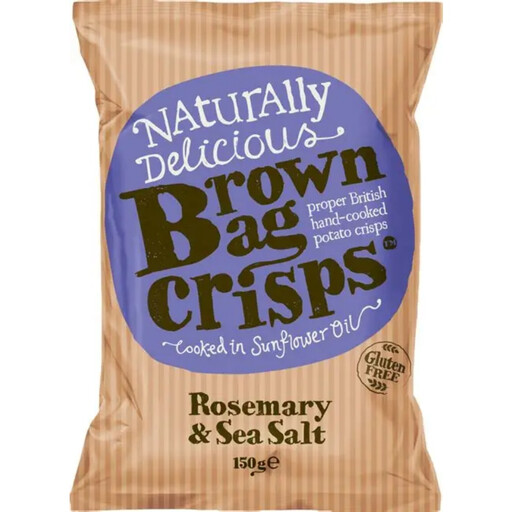 No image available
If you need gluten-free crisps, check the current gluten-free wording and allergy advice for this rosemary and sea-salt flavour. The pack is 150 g; compare the nutrition information per serving if you plan to eat it around training.
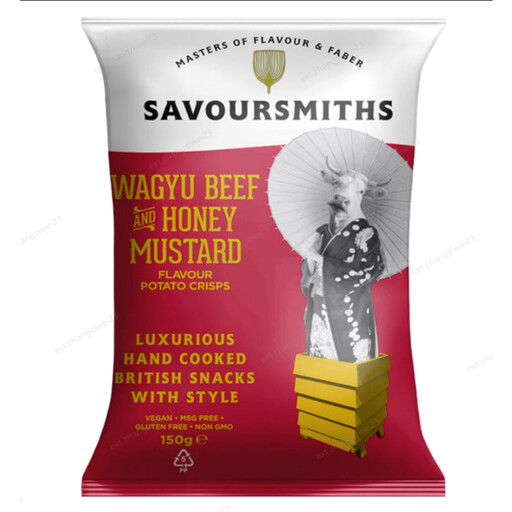 No image available
For a gluten-free requirement, check this exact flavour’s current gluten-free wording, ingredients and allergy advice, including any mustard-related information. The pack is 150 g; assess its nutrition information per serving separately from its allergen statements.
No. Coeliac UK notes that seasoning and frying can make some crisps unsuitable for a gluten-free diet. If you need to avoid gluten, choose an explicitly gluten-free product and read the current pack for the exact flavour.
No. Gluten and milk require separate checks: Pipers labels Anglesey Sea Salt gluten-free, but other Pipers flavours can contain milk ingredients. Read the ingredients and allergy advice for the flavour you intend to buy.
No. A “may contain” statement flags potential unintended presence, so the ingredients list alone does not settle that allergen question. Use the current pack’s complete allergy advice when deciding whether the product suits your needs.
Crisps are a weaker fit for main pre-run fuelling than a low-fat, carbohydrate-focused option. The British Dietetic Association recommends a low-fat, high-carbohydrate snack or light meal two to three hours before exercise; follow a familiar plan you have tried in training.