Adults in a gluten-free household
Coeliac UK notes that seasoning and preparation can affect whether potato crisps suit a gluten-free diet. Look for a statement applying to the exact product, then read the current pack.


For an adult who needs gluten-free crisps, start with a product explicitly labelled gluten-free rather than assuming its potato base is enough; check the exact flavour and current pack for any other allergens that matter. Crisps are a different choice for the baby: NHS weaning guidance lists them among salty foods babies should not have.
Coeliac UK notes that seasoning and preparation can affect whether potato crisps suit a gluten-free diet. Look for a statement applying to the exact product, then read the current pack.
The exact flavour matters more than a general vegan or gluten-free description. Compare its ingredients and any precautionary allergen wording with the person’s specific requirement.
An adult free-from snack is not necessarily a weaning food. NHS guidance specifically includes crisps among salty foods babies should not have.
Decide who will eat the crisps and which ingredient or allergen matters, then compare labels for the exact flavour.
| Priority | What to check | Your needs |
|---|---|---|
| Gluten-free choice | Look for an explicit gluten-free statement on the exact product. Read the ingredients and any precautionary warning on the current pack; Coeliac UK notes that seasonings and preparation can affect suitability. | Someone in my household needs gluten-free crisps, so a potato-based recipe alone does not answer the question. |
| Other allergens | Check the specific flavour’s ingredient list and named precautionary warnings. Gluten-free and vegan statements do not answer every allergen question. | If milk or another allergen matters to us, I need to assess that requirement separately rather than rely on a broad free-from impression. |
| Intended eater | Keep adult snack selection separate from weaning. NHS guidance lists crisps among salty foods babies should not have, regardless of a gluten-free or vegan label. | Are these crisps for an adult, or am I looking for food for the baby? That changes the choice entirely. |
| Current pack | Check the pack in hand before serving it to someone with an allergy or coeliac disease. Confirm the flavour, ingredients and allergy advice rather than relying on an earlier purchase or product listing. | Even if I recognise the brand, I want the information for the pack we will actually eat. |
Coeliac UK explains that flavourings can contain wheat or barley and that cross-contact warnings may also matter.
Choose an explicitly gluten-free product when that is the requirement, and read the ingredients and precautionary wording on its current pack.
A gluten-free crisp can still contain other allergens. For example, ASDA’s listing for REAL Roast Ox identifies milk, soya and celery while also describing it as free from cereals containing gluten.
Match the label to the allergen being avoided, flavour by flavour; do not use a vegan, vegetarian or gluten-free statement as a universal guarantee.
A free-from label does not change the infant-feeding issue: NHS guidance includes crisps among salty foods babies should not have.
Keep ordinary crisps for adults and choose food appropriate for the baby’s stage of weaning.
Ingredients and allergy advice can change, so a previous purchase or online description may not describe the pack in hand.
Read the current physical pack before serving the crisps to someone with an allergy or coeliac disease.
These examples illustrate why the exact product and flavour matter; a statement about one recipe does not apply automatically to every crisp from the same brand.
Ready Salted is a useful example of why a short ingredient list is not the whole allergen picture.
Lightly Sea Salted shows how a plain-flavour recipe and precautionary allergy advice can sit together.
Lightly Salted provides an example with explicit gluten-free and vegan statements.
Seabrook describes its gluten-free range as Coeliac UK accredited, but other allergens remain flavour-specific.
Anglesey Sea Salt is a specifically labelled gluten-free and vegan recipe; those descriptions should not be extended to every flavour.
REAL describes its range as vegetarian and gluten-free while directing shoppers to individual flavours for allergen details.
These potato crisps are options to consider for adult snacking in a new-parent household. For any free-from requirement, use the current pack to confirm the claims and allergen information for the exact flavour.
 No image available
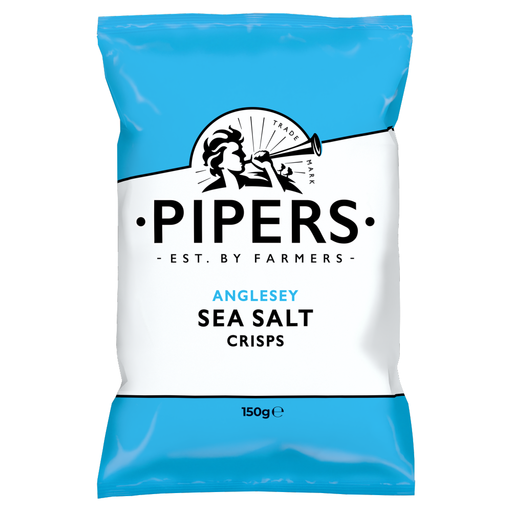
For an adult seeking a gluten-free and vegan salted crisp, Pipers labels this exact flavour as both. Its listed ingredients are potatoes, sunflower oil and Anglesey sea salt; check the current pack for any other allergen requirement.
 No image available
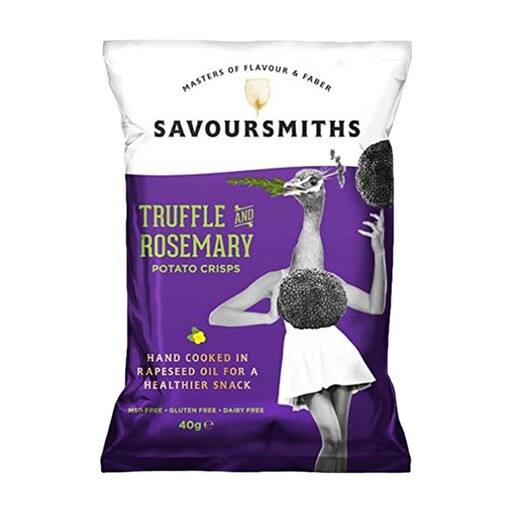
If you want a truffle and rosemary flavour for an adult snack, check this 150g pack’s ingredients, gluten-free statement and precautionary allergen advice against the household’s exact requirements before choosing it.
 No image available
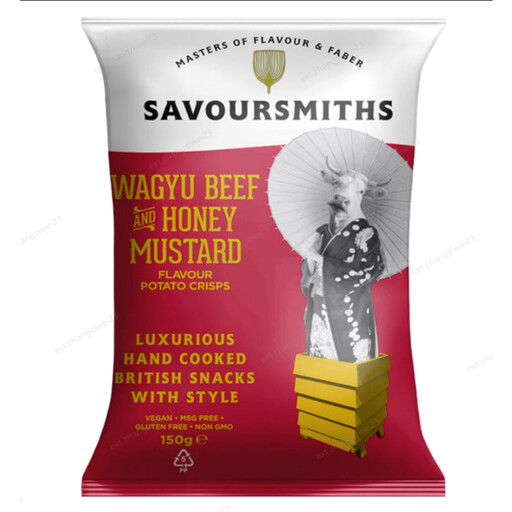
This named vegan variant offers an adult snack with Wagyu beef and honey mustard flavouring. If gluten or another allergen is the deciding factor, check the 150g pack’s ingredient list, relevant free-from statements and precautionary wording separately.
No. Coeliac UK explains that although potatoes are naturally gluten-free, flavourings can contain wheat or barley and preparation can introduce cross-contact concerns. If gluten-free status matters, look for an explicit statement on the product and read its current pack.
No. A vegan statement does not replace a check of the exact ingredients and precautionary allergy advice for milk. For example, Tyrrells Lightly Sea Salted lists a simple recipe but also says it may contain milk.
Ordinary crisps are not a suitable weaning snack: NHS guidance includes them among salty foods babies should not have. A gluten-free or vegan label does not change that advice.
It is a precautionary warning about potential accidental cross-contact with milk, rather than a statement that milk is an ingredient. Consider that named warning alongside the ingredient list when choosing for someone with a milk allergy.
Do not use ordinary crisps as an allergen-introduction food. NHS guidance says parents may need to be particularly careful when a baby has eczema or a diagnosed food allergy, or there is a relevant family history, and advises speaking to a GP or health visitor before introducing foods where appropriate.