Students planning dinner on a limited budget
If protein matters to the meal, decide on its main protein food before adding crisps as an optional side.


Choose potato crisps as an optional side for flavour and crunch, not as the protein part of a student dinner. Nutrition panels from Walkers, KETTLE Chips, Tyrrells, Seabrook and REAL Hand Cooked Crisps show that the sampled products fall below the 20%-of-energy criterion for a high-protein claim set out in Regulation (EC) No 1924/2006. If protein is the priority, choose a protein food for the meal first, then check the crisp portion and exact pack label.
If protein matters to the meal, decide on its main protein food before adding crisps as an optional side.
A larger protein number than another crisp does not, by itself, establish that a product meets the high-protein claim criterion. Compare protein and energy on the same basis.
Ingredients and precautionary allergen statements can differ between flavours. Check the exact pack rather than relying on the brand name.
Start with the dinner’s protein food; if you also want crisps, compare the portion you will eat and the label for that exact flavour.
| Priority | What to check | Your needs |
|---|---|---|
| Protein contribution | Compare protein grams and energy from the same per-100g or per-serving column. Regulation (EU) No 1169/2011 gives 4 kcal per gram of protein; the high-protein claim criterion in Regulation (EC) No 1924/2006 is at least 20% of energy from protein. | I need the dinner’s protein to come from a protein food, rather than counting on a small difference between ordinary crisps. Beans, pulses, eggs and tofu are among the protein foods listed by Kent Community Health NHS Foundation Trust. |
| Portion and nutrition | Check pack weight and the declared serving size. Compare protein, energy, fat and salt per serving as well as per 100g; a reduced-fat description does not tell you the protein content. | I want to know what the portion I will actually eat contributes. In the Food Standards Agency and Ipsos Northern Ireland’s 2024 tracker, 49% of 611 people interviewed in Northern Ireland between 16 September and 23 November actively used traffic-light labelling when shopping for food; that figure does not describe student crisp purchases. |
| Ingredients and allergens | Read the exact flavour’s ingredients, highlighted allergens, suitability statements and any ‘may contain’ warning. Check the current pack if the recipe or flavour changes. | For a dietary restriction or allergy, I need information for this particular pack, not an assumption about everything the brand makes. |
REAL Hand Cooked Crisps declares 7.7g protein and 496 kcal per 100g for Roast Ox. Using the 4 kcal-per-gram conversion factor in Regulation (EU) No 1169/2011, protein accounts for about 6.2% of its energy—not the 20% in the high-protein claim criterion.
Use protein and energy figures from the same part of the nutrition panel. Calculate protein grams × 4 kcal ÷ total kcal if you need to assess the energy share.
Walkers describes Oven Baked Sea Salt as having 50% less fat than regular potato crisps, but its declared 22g pack contains 1.3g protein. The fat comparison answers a different question.
Choose the meal’s protein food separately, and compare fat, salt and protein on their own terms when selecting a crisp side.
Tyrrells Lightly Sea Salted carries a ‘may contain Milk’ statement, while REAL Roast Ox lists lactose, soya and celery in its ingredient and allergen information.
Read the ingredients and precautionary wording on the exact flavour and pack you intend to eat.
These examples show why a brand name or a claim about fat is not enough to judge protein content; figures and suitability statements belong to the named products.
The range includes standard potato crisps and Oven Baked products.
Its potato-crisp range includes Lightly Sea Salted.
Lightly Salted is a potato-crisp product that KETTLE Chips describes as suitable for vegans and vegetarians.
The range includes flavoured potato crisps such as Lea & Perrins.
Pipers describes a range of potato crisps with different flavourings.
The range includes flavoured potato crisps such as Roast Ox.
These Joybuy potato-crisp options are for a side alongside a student dinner, not for replacing the meal’s protein food. Check the current pack when comparing portions, ingredients and nutrition.
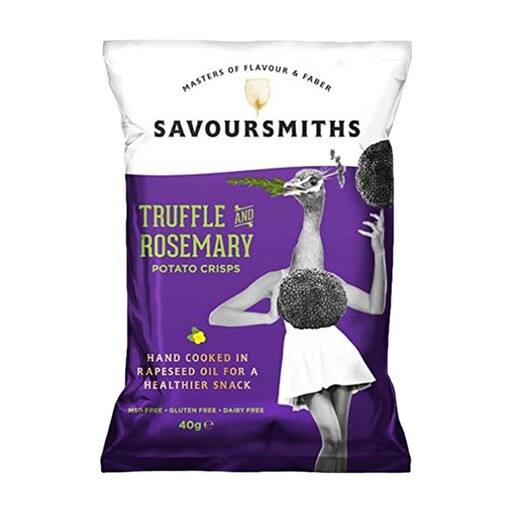 No image available
A 150g bag of truffle and rosemary flavour potato crisps to consider as an optional side. Choose a separate protein food for the dinner and check the pack’s nutrition and allergen information for the portion you serve.
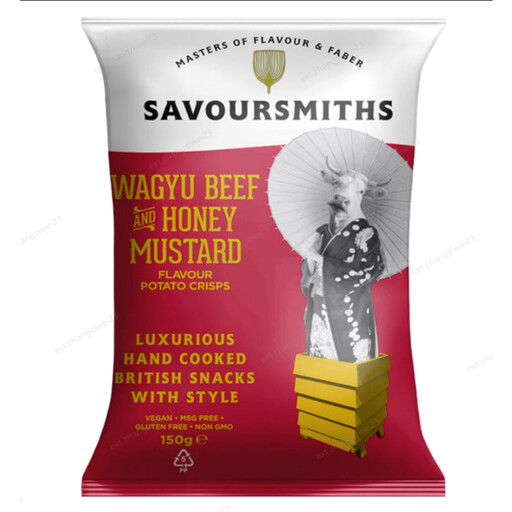 No image available
A 150g bag of potato crisps with the flavour named on the product. Treat crisps as a side rather than the dinner’s protein source; if vegan suitability or allergens matter, confirm the ingredients and statements on the current pack.
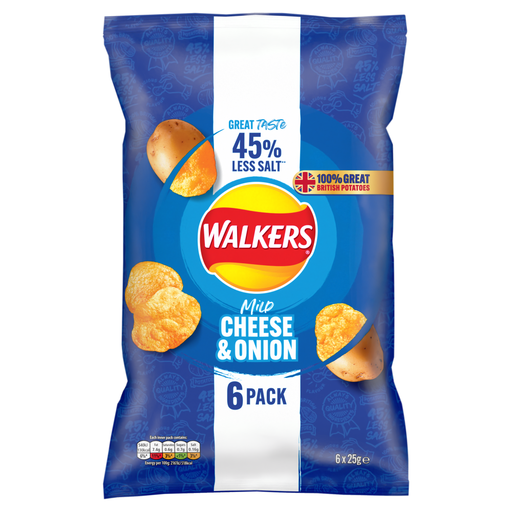 No image available
Six 25g packs provide individual crisp portions for an optional side. The ‘45% Less Salt’ wording concerns salt, not protein; check the current pack for its nutrition, ingredients and allergens.
The high-protein claim criterion in Regulation (EC) No 1924/2006 is that protein provides at least 20% of the food’s energy. Regulation (EU) No 1169/2011 gives a conversion factor of 4 kcal per gram of protein, so use protein and energy figures from the same per-100g or per-serving column when checking a label.
The sampled products from Walkers, KETTLE Chips, Tyrrells, Seabrook and REAL Hand Cooked Crisps do not reach the 20%-of-energy high-protein claim criterion. Calculations from those brands’ declared protein and energy values, using the conversion factor in Regulation (EU) No 1169/2011, put the sampled products at approximately 4.4% to 6.2%. That conclusion applies to those named products, not every potato crisp.
Use potato crisps as an optional side rather than the meal’s protein food. Kent Community Health NHS Foundation Trust lists foods including beans, pulses, eggs, fish, dairy and tofu as protein sources; choose the meal’s main food first, then decide whether you want a crisp portion alongside it.
A reduced-fat description does not establish protein content. Walkers describes Oven Baked Sea Salt as 50% less fat than regular potato crisps, while declaring 1.3g protein per 22g pack. Check protein and the portion size separately from any fat claim.
Check the exact pack’s ingredients, highlighted allergens and precautionary statements. For example, Tyrrells labels Lightly Sea Salted ‘may contain Milk’, while REAL lists lactose, soya and celery for Roast Ox; another flavour from either brand may have different information.