
24/7 Customer Support

Free returns

Same-day & Next-day Delivery

Quality Guaranteed

Unlock Your Welcome Offers: FREE Delivery | Up to 80% OFF | Free 30-day JoyPlus trial
Download the APP
From the humble spud comes a world of culinary variety. Whether it's a quick snack, a convenient family meal or an adventurous ingredient for a new recipe, potato products are a staple in most UK households. However, navigating the aisles—both physical and virtual—can be tricky. Packaging can be misleading, and the sheer number of options can be overwhelming. As your Joybuy Product Recommendation Officer, my role is to help you see past the marketing clutter and make choices that suit your needs, from classic potato crisps to trendy Korean potato snacks.
Before you add to your basket, let's look at some common pitfalls that can lead to disappointing purchases.
To avoid these traps, focus on a few key details on the product page or packaging. These parameters are far more telling than the marketing slogans.
The foundation of any good potato product is, unsurprisingly, the potato. Look for the percentage of potato in the ingredients list, especially for processed items like frozen potato waffles or hash brown bites. A higher percentage (typically over 80%) usually indicates a more natural flavour and texture. For potato crisps, the type of cut matters. "Original cut" or "sliced from whole potatoes" generally provides a better texture than products made from reconstituted potato flakes or granules.
The ingredient list offers a clear window into product quality. For fried items like crisps, check the type of oil used (e.g., sunflower, rapeseed, palm oil). A shorter ingredient list is often a good sign, suggesting fewer artificial additives, colours and preservatives. When it comes to items like potato noodles, the starch source is critical. Pure potato starch creates a different bite compared to blends with tapioca or sweet potato starch. For those exploring East Asian cuisine, wide potato vermicelli made from potato starch offers a uniquely chewy and slippery texture ideal for hot pot.
For flavoured snacks, analyse the seasoning ingredients. Are you seeing a list of actual spices like paprika, onion powder and garlic powder, or does the list lean on generic "flavouring" and flavour enhancers (E621, E635)? This is the key difference between a rich, authentic barbecue flavour and a generic salty one. This is particularly relevant when choosing international options like Korean potato snacks, where the balance of sweet, sour and spicy notes is essential.
Here are a few potato products that align with specific needs, keeping our selection criteria in mind.
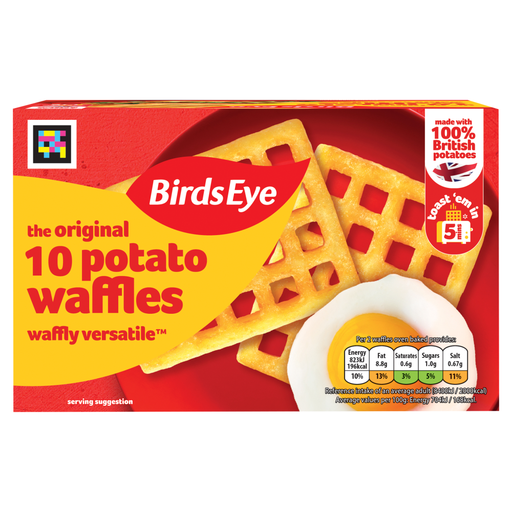
Why This Fits Their Persona: A classic for a reason. These frozen potato waffles are a lifesaver for quick breakfasts, after-school snacks or as a simple side for dinner. They are gluten-free and can be cooked in a toaster, oven or air fryer, offering maximum convenience for busy parents.
It directly counters the "soggy finish" pitfall by offering multiple cooking methods, including toasting, which is specifically designed to achieve a crispy exterior. The ingredient list is straightforward, with potato as the main component (88%).
Unbeatable convenience and cooking versatility. A reliable, crowd-pleasing freezer staple.
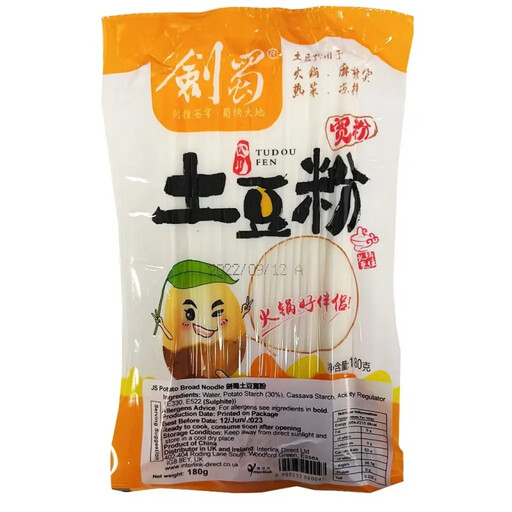
Why This Fits Their Persona: For anyone looking to recreate authentic Sichuan hot pot or mala tang at home, these wide potato noodles are an essential ingredient. Their specific texture is hard to replicate and is a hallmark of the cuisine, providing a satisfying chew that absorbs sauces beautifully.
This product avoids texture disappointment by being specifically engineered for its purpose. Made from potato starch, it's designed to withstand boiling in a hot pot without disintegrating, retaining its signature smooth and chewy quality.
Provides an authentic texture for regional Chinese dishes. The ingredient list is minimal: potato starch, water and salt.
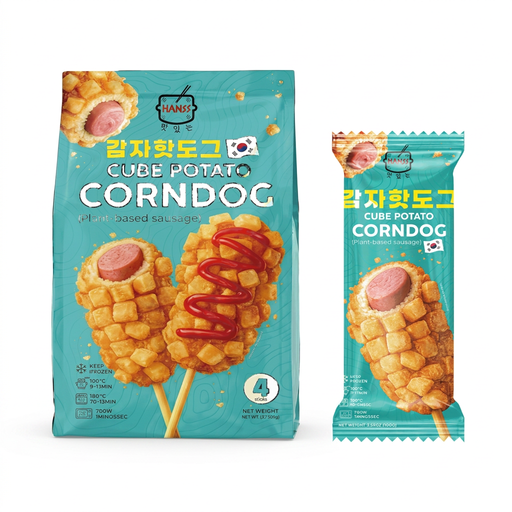
Why This Fits Their Persona: This is a perfect example of a modern Korean potato snack. It taps directly into the Korean street food trend that's popular across the UK. The combination of a plant-based sausage, corn dog batter and a savoury sausage is novel and exciting for snack enthusiasts.
It sidesteps the "flavour vs. reality" trap by focusing on a multi-layered texture experience—crispy potato, soft batter and a savoury sausage—which is the main appeal of this type of snack, rather than relying on an artificial seasoning.
Brings an authentic and trendy street food experience home. The plant-based sausage makes it accessible to a wider audience.
We have compiled a complete, real-time list of products that fully satisfy these strict selection criteria and UK safety regulations.
1. What is the difference between potato noodles and regular wheat noodles? Potato noodles, particularly the wide, clear varieties used in East Asian cooking, are made from potato starch. This gives them a distinctly different texture to wheat-based noodles. When cooked, they become translucent, slippery and very chewy or "bouncy." They are gluten-free and excellent at absorbing the flavours of broths and sauces, making them a favourite for hot pot and stews. Wheat noodles have a more opaque appearance and a softer bite.
2. How can I get frozen roast potatoes and waffles properly crispy? The key is heat and space. First, preheat your oven or air fryer to the recommended temperature (or slightly higher). Second, do not overcrowd the baking tray or basket. Spread the frozen potatoes in a single layer with space between them to allow hot air to circulate freely. This helps moisture escape and ensures all sides become crisp. Turning them halfway through cooking also promotes even browning.
3. Are sweet potato chips a healthier option than regular potato crisps? Not necessarily. While sweet potatoes have a different nutritional profile, containing more Vitamin A, the "healthiness" of the final product depends more on how it's prepared. Both regular and sweet potato chips are typically fried. The crucial factors to compare are the total fat, saturated fat and salt content per 100g. Some sweet potato chips can be higher in sugar and salt than their regular potato counterparts, so it's always wise to check the nutritional information rather than relying on the name alone.