
24/7 Customer Support

Free returns

Same-day & Next-day Delivery

Quality Guaranteed

Unlock Your Welcome Offers: FREE Delivery | Up to 80% OFF | Free 30-day JoyPlus trial
Download the APP
Potato starch is a useful cupboard ingredient for UK home cooks, but choosing the wrong type can lead to disappointing sauces, soggy coatings or noodles with the wrong texture. Product labels can also make similar powders appear interchangeable when potato starch, sweet potato starch and tapioca starch behave differently in a recipe.
This guide explains what to check before buying, how each starch is used and which pack sizes may suit different cooking habits. The recommendations focus on clearly listed ingredients, practical pack sizes and stated preparation instructions rather than exaggerated marketing claims.
Potato starch, tapioca starch and sweet potato starch are all fine, pale powders, but they are not identical.
Substituting one for another may alter thickness, crispness, chewiness or clarity. If a recipe specifies potato starch, check the ingredient panel rather than buying a product simply labelled “edible starch”.
Starch absorbs moisture easily once opened. A large pack may appear economical, but it can become lumpy or difficult to measure if stored near a kettle, sink or hob. For occasional sauce thickening or baking, a 200g–300g pack may be more practical. Regular cooks making fried dishes, dumpling wrappers or multiple Asian recipes may prefer a twin pack or larger noodle format.
Powdered starches are raw cooking ingredients. They should be mixed, heated or incorporated into a recipe according to the instructions. Noodles also require preparation: several products specify soaking and boiling before serving. Do not consume raw starch or uncooked starch noodles.
For a straightforward pantry ingredient, look for a short ingredient list. Examples include:
A short ingredient list makes it easier to understand what you are buying. If you manage food allergies or dietary restrictions, read the complete packaging information each time. Some products in this selection state that they contain no allergens, while that information should still be checked against the delivered pack.
Choose according to the result you want:
Pack size should match your cooking frequency. Jiaxin Potato Starch is supplied in a 260g bag, with a twin-pack option providing 520g in total. HUASEED offers 200g and 300g sweet potato starch formats, while Ganzhiyuan Tapioca Starch is supplied in a 275g pack.
Keep opened starch in a sealed container in a cool, dry, well-ventilated place. Moisture can cause clumping and shorten its practical shelf life. Always follow the best-before information printed on the packaging.
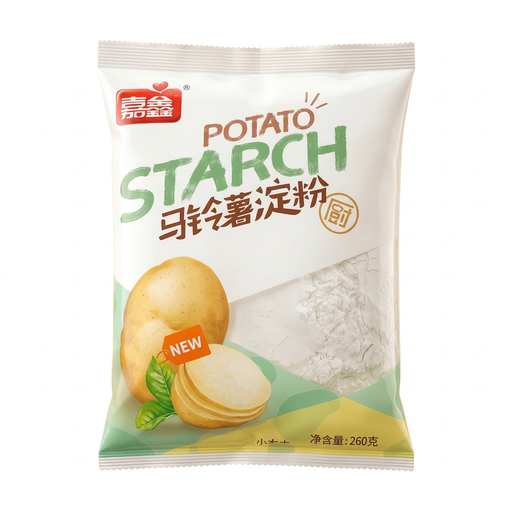
Why This Fits Their Persona: A manageable household size for UK cooks trying Chinese cooking ingredients, sauce thickening or occasional baking without committing to a large quantity.
The product description clearly identifies potato starch and a 260g net quantity, helping shoppers avoid vague “starch” labelling and excessive quantities.
Listed ingredient is potato starch; suitable for thickening, velveting, battering and selected pastry recipes.
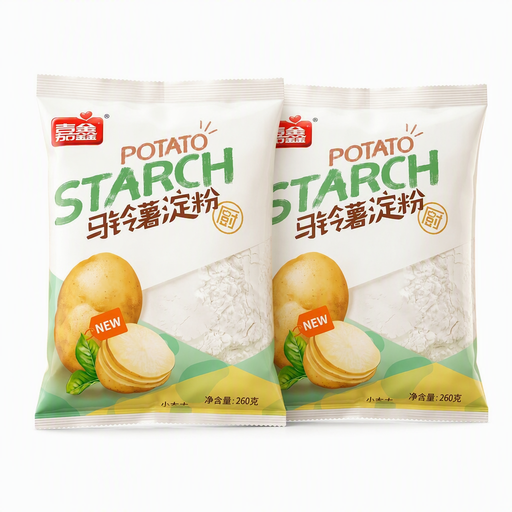
Why This Fits Their Persona: The twin pack suits households that regularly cook stir-fries, make crispy coatings or use starch in baking and dim sum recipes.
Two clearly identified 260g bags offer more quantity without requiring one oversized container that may remain open for months.
Potato starch ingredient; 520g total quantity; suitable for sauces, frying coatings and selected pastry applications.
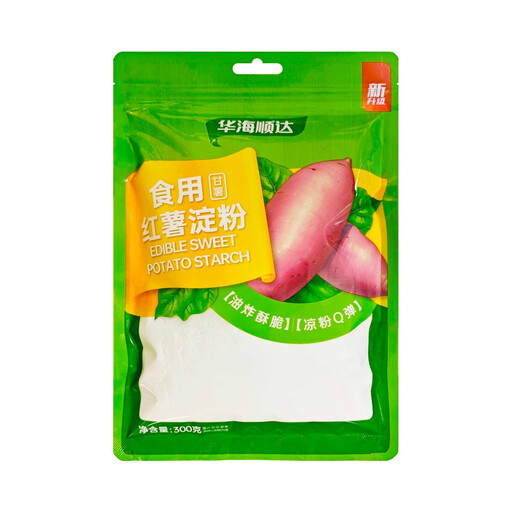
Why This Fits Their Persona: A 300g pack for cooks exploring sweet potato starch in fried food, sauces, pastries and traditional Chinese recipes.
The ingredient declaration states sweet potato starch 100%, rather than leaving the source or added ingredients unclear.
300g net weight; described for thickening, deep-frying and pastry use; no allergens listed in the supplied product information.
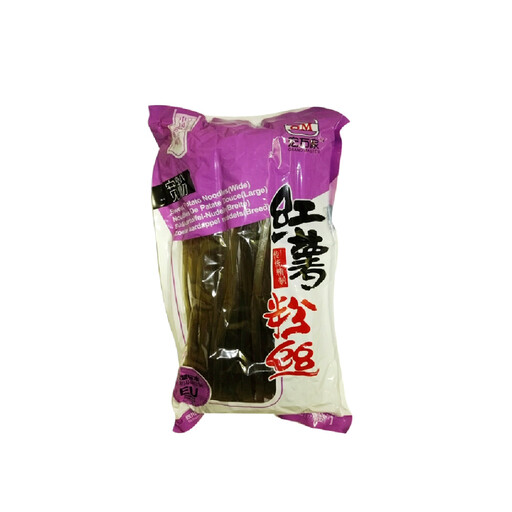
Why This Fits Their Persona: A larger-format option for households preparing hot pot, braised dishes, spicy stir-fries, soups or cold noodle salads.
The pack identifies wide sweet potato noodles and gives soaking and boiling guidance, reducing the risk of treating them like instant noodles.
500g quantity; ingredients are sweet potato starch (98%) and water; instructions state soaking for 20–30 minutes before cooking.
For a smooth sauce, mix potato starch with a small amount of cold water before adding it to a hot pan. Stir continuously and heat until the liquid thickens, then remove it from the heat when the desired consistency is reached. Adding dry powder directly to hot liquid can create lumps.
For frying, use the starch as directed by the recipe. It may be used alone or combined with other dry ingredients, depending on whether you want a thin coating or a more substantial crust. Keep the oil temperature stable and avoid overcrowding the pan.
For glass noodles, sweet potato starch noodles and potato-based starch noodles require different preparation times. Follow the pack instructions: for example, the Grand Master wide noodles call for soaking before boiling, while Yuansen Northeastern-Style Starch Noodles state that they should be boiled for around 3–5 minutes until transparent, then rinsed in cold water.
Tapioca starch is a separate gluten-free starch option made from cassava. It can work in sauces, desserts and Asian cooking ingredients, but its binding and texture are different from potato starch. GanZhiYuan Tapioca Starch 275g is supplied as a raw ingredient and should be mixed and heated according to a recipe.
We have compiled a complete, real-time list of products that fully satisfy these strict selection criteria and UK safety regulations.
No. Potato starch is a fine starch extracted from potatoes, while potato flour is made from whole potatoes and usually has a different flavour, colour and texture. They should not automatically be substituted in baking or sauce recipes.
Yes, it is commonly used as a coating or batter ingredient for fried food. The final texture depends on the recipe, moisture in the food, oil temperature and whether the starch is combined with flour or other ingredients.
Keep it sealed in a cool, dry place away from steam and direct sunlight. A clean airtight container can help prevent moisture-related clumping. Check the packaging for the stated best-before date and use clean, dry utensils when measuring.