What matters when buying
Decide what your listings most need to show, then choose a lens and capture process to match. For glaze colour, a repeatable setup matters alongside the camera; for very small features, check magnification and the space available to position lights.
| Concern |
What to check |
Who this matters to |
| Glaze colour and consistency |
Check the capture and editing options you intend to use, and whether you can keep lighting and image review consistent across listings. |
If the shade and finish influence my customers’ choices, I need photographs made under repeatable conditions rather than relying on a colour preset. Around 42% of consumers put colour and consistency first. |
| Small surface details |
Compare lens magnification and working distance: Canon specifies 0.5× for its RF 35mm F1.8 MACRO IS STM, while Nikon specifies 1:1 for its NIKKOR Z MC 50mm f/2.8. |
When a glaze has fine texture or a piece has a small maker’s mark, I need a close image that lets customers inspect it; for around 33% of consumers, detail coverage is the primary concern. |
| Whole-piece catalogue images |
Confirm whether the package includes a lens and which lens it is. Nikon identifies a 16–50mm VR zoom in its Z50II kit; Canon also lists an EOS R50 body-only package. |
I photograph complete mugs, bowls or vases regularly, so a manageable starting lens matters more to me than life-size macro at the outset. Whole-piece coverage comes first for around 25% of consumers. |
Joybuy camera options
These camera packages are starting points for photographing complete pottery pieces; one is labelled as a body-only option, so check its contents. If small glaze features are central to your listings, assess a suitable close-detail lens separately rather than assuming an included zoom covers them.
 No image available
Sony A6400 with 16–50mm Power Zoom Lens
The included zoom provides a starting lens for framing complete pottery pieces.
APS-C mirrorless camera; 16–50mm power zoom lens. If you need photographs of very small glaze details, check the close-focus capability of the lens you plan to use.
View on Joybuy
 No image available
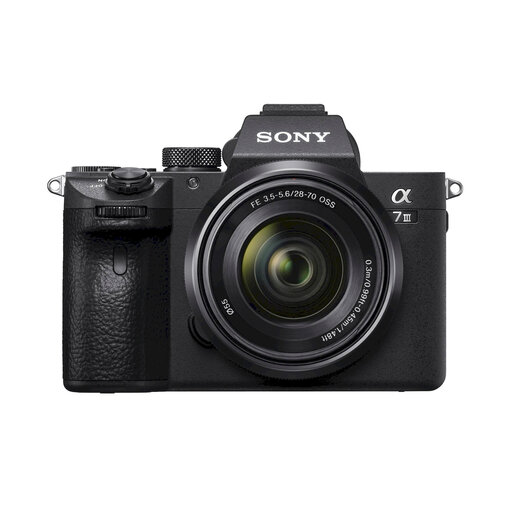
Sony Alpha 7 III with 28–70mm Zoom Lens
The listed zoom gives you a lens to consider for images of complete pieces.
Full-frame mirrorless camera with a 28–70mm zoom lens. Check the magnification needed for any small surface details before relying on this lens for close-ups.
View on Joybuy
 No image available
Sony Alpha ZV-E10 II K with 16–50mm Power Zoom Kit Lens
The kit zoom is a starting point for photographing whole pottery pieces.
APS-C interchangeable-lens camera with a 16–50mm f/3.5–5.6 power zoom kit lens. Check the lens required if you also need close photographs of tiny glaze features.
View on Joybuy
 No image available
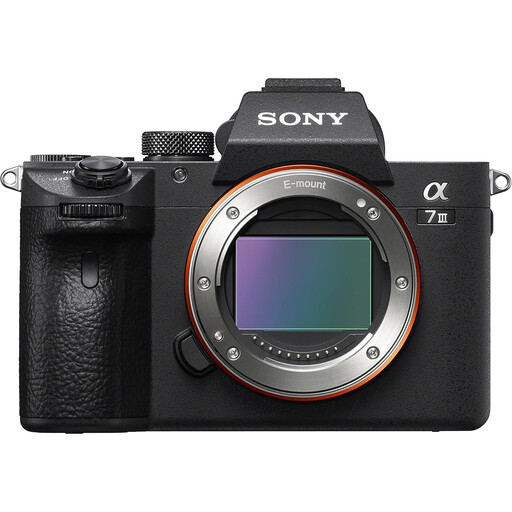
Sony Alpha 7 III Full-Frame Camera Body
Consider this listing if you intend to choose the lens for your pottery photographs separately.
The title identifies a body-only package, while its description refers to a 28–70mm lens. Confirm the exact box contents before buying.
View on Joybuy
 No image available
Sony A6700 with 16–50mm Lens
The included zoom offers a starting point for images of complete pottery pieces.
APS-C mirrorless camera with a 16–50mm lens. If close glaze details matter, confirm the lens’s magnification and the compatibility of any additional lens you are considering.
View on Joybuy
Frequently asked questions
Do I need a macro lens to photograph pottery glazes?
Not for every listing: a standard lens can photograph complete pieces, while a macro-capable lens becomes useful when texture, decoration or a maker’s mark needs its own close image. Check the magnification required for the smallest feature you want customers to inspect.
Will a 1:1 macro lens make the glaze look life-size online?
No. In Nikon’s and Sony’s lens specifications, 1:1 describes the size at which a subject is captured on the camera sensor; the size a customer sees also depends on the crop, listing layout and display.
Can a camera colour preset make glaze photos accurate?
A preset is not a substitute for consistent lighting, capture and image review. Check the final exported listing photograph rather than assuming the image on the camera screen represents how customers will see the glaze.
What should I check before choosing a camera kit?
Confirm whether the exact package includes a lens, which lens it contains and how the supplied battery is charged. If you need small surface details, check the close-up capability of that lens separately from its suitability for whole-piece photographs.


