
24/7 Customer Support

Free returns

Same-day & Next-day Delivery

Quality Guaranteed

Unlock Your Welcome Offers: FREE Delivery | Up to 80% OFF | Free 30-day JoyPlus trial
Download the APP
Embarking on the potty training journey with your toddler is a significant milestone, but it can often feel like a step into the unknown. For many UK parents, the challenge lies not just in knowing when to start, but also in navigating the vast market of products designed to help. From potties that promise mess-free travel to pants that aid the learning process, choosing the right tools can make all the difference.
This guide is here to help you cut through the clutter. As a Joybuy Product Recommendation Officer, my role is to provide clear, practical advice on selecting items that are effective, convenient and suited to your family's lifestyle. We will explore what to look for in key potty training products and highlight some carefully selected options to support you and your child through this developmental stage.
Before you buy, thinking about your daily routines and your child's temperament can help you select the most suitable equipment. Here are a few key points to consider for toddler toilet training.
A child who feels secure and comfortable on their potty is more likely to use it successfully. Look for a potty chair with an ergonomic design, such as a high backrest for support and a wide base for stability. A non-slip footing is also a valuable feature to prevent the potty from sliding on bathroom floors. An easy clean potty design, often featuring a removable inner bowl, is a practical consideration that saves time and effort for parents.
Life doesn't stop for potty training. For families who are often out and about, a travel potty is an essential piece of kit. The most important feature to look for is a reliable, leakproof seal. A good travel potty should lock securely to contain waste and odours, giving you the confidence to handle toilet-training moments anywhere, from the park to the supermarket. Portability is also key, so consider models with a carry handle and a compact design.
Moving from nappies to underwear is a gradual process. Potty training pants or pull-ups for toddlers can be an invaluable aid during this phase. Unlike standard nappies, they are designed to be pulled up and down like real underwear, fostering a sense of independence. Many also include features like wetness indicators, which change colour or disappear when wet, helping your child to recognise the feeling of needing to use the potty.
Based on features that prioritise comfort, convenience and effective learning, here are our recommendations to help you get started.


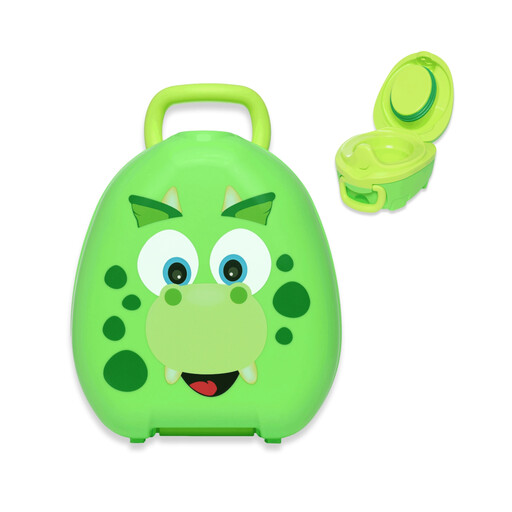
The transition from nappies is a unique journey for every child. If your little one is ready for something that feels even more like real underwear, or if you're simply looking for different styles of training pants, there are many other options available.
For a wider selection of transitional aids, browse our full range of pull up trousers to find the perfect fit for your little one's needs.
There is no single "correct" age. Most children in the UK show signs of readiness between 18 months and 3 years old. Look for indicators such as staying dry for longer periods, telling you when they have a wet or dirty nappy, showing interest in the toilet and being able to pull their own trousers up and down. Readiness is more important than age.
For a potty with a removable bowl, empty the contents into the toilet first. Then, wash the bowl with hot, soapy water or use a mild antibacterial spray and wipe it clean with a paper towel or a dedicated cloth. Ensure it is completely dry before reassembling. Always follow the manufacturer's cleaning instructions.
Yes, they serve different purposes. Nappies are designed for maximum absorbency to keep a child dry. Potty training pants are less absorbent by design, allowing the child to feel the sensation of wetness, which is a crucial part of the learning process. They are also designed to be pulled up and down, which helps toddlers practise the skills needed for using a toilet independently.