
24/7 全天候客户支持

免费退货

当日/次日达

品质保障

开启新人专享福利: 全场免邮 | 低至 2 折 | 免费试用 30 天 JoyPlus 会员
下载 Joybuy
Whether you're a healthcare professional, a chef, a tattoo artist or simply tackling a DIY project at home, the right pair of disposable gloves is a non-negotiable part of your toolkit. The market is saturated with options, but not all gloves are created equal. Choosing incorrectly can lead to wasted money, compromised safety and a lot of frustration. As the Joybuy Product Recommendation Officer, my role is to help you navigate the choices and identify the features that truly matter for your needs.
Many buyers fall into a few common traps. Before you add that box of 100 gloves to your basket, let's look at the three most frequent pitfalls that UK consumers encounter.
To avoid these pitfalls, you need to look beyond the marketing claims and focus on a few core parameters. Understanding these will ensure you select a product that offers genuine protection and value.
The material is the foundation of any glove. Nitrile disposable gloves are a popular choice for good reason. As a synthetic rubber, nitrile offers excellent durability and puncture resistance, often superior to vinyl or latex. Crucially, they are latex free gloves, which eliminates the risk of Type I latex allergies, a common concern in both professional and domestic environments.
When assessing quality, look for key UK and EU certifications:
This is a critical, yet often overlooked, quality indicator. AQL refers to the statistical probability of pinhole defects in a batch of gloves. A lower AQL number signifies a higher quality product with fewer potential defects. For medical or high-risk applications, an AQL of 1.5 is a common benchmark, indicating a very low chance of imperfections. For general cleaning or low-risk tasks, a higher AQL might be acceptable, but for peace of mind, a lower number is always preferable.
Modern multipurpose disposable gloves come with features designed for performance and convenience:
To help you find the right fit for your specific needs, we've matched some well-regarded options to different user profiles.
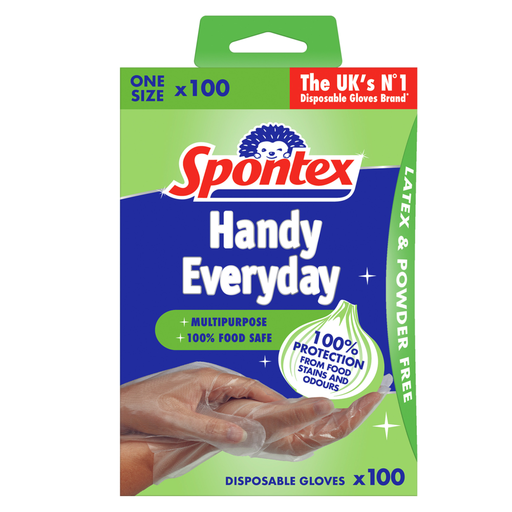
Why This Fits Their Persona: Ideal for the UK household that needs a reliable glove for a variety of tasks, from food preparation and cleaning to pet care and light DIY. It offers a practical balance of protection and convenience for everyday use.
This glove is clearly positioned for domestic use, avoiding confusion with medical-grade specs. Its synthetic material is durable enough for household chores, steering clear of the ultra-flimsy options that tear easily.
It is fully approved for food contact and is latex-free, making it safe for meal prep and sensitive skin. The dispenser box is convenient for quick access.
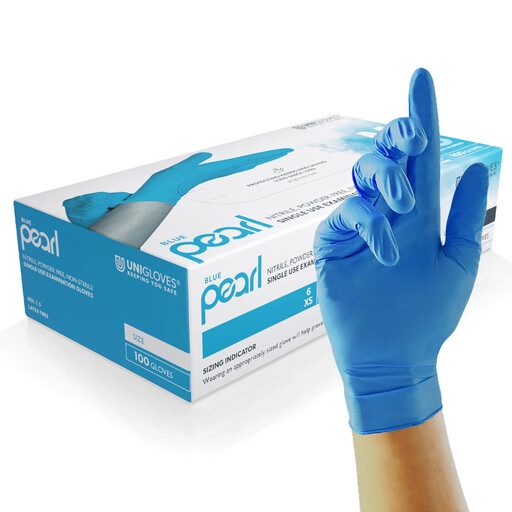
Why This Fits Their Persona: Perfect for chefs, caterers and kitchen staff. The blue colour is the industry standard for food environments as it is highly visible, preventing accidental contamination. They are designed for extended wear in demanding settings.
These gloves are certified for all food types and meet medical-grade standards (AQL 1.5), directly addressing the "food safe" and durability pitfalls. The nitrile formulation conforms to the hand, avoiding the fatigue caused by poor-fitting gloves.
The high-visibility blue colour is a key safety feature in food preparation. A beaded cuff prevents liquid rollback, and the textured finish improves grip on utensils and ingredients.
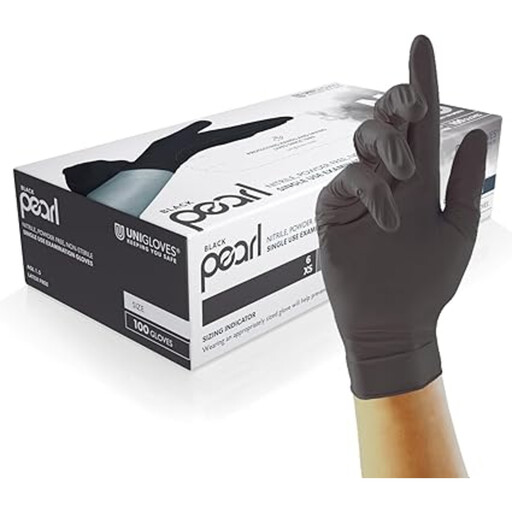
Why This Fits Their Persona: A premium choice for tattoo artists, dentists and clinicians who require exceptional dexterity, reliability and a professional look. The black colour is excellent for masking inks and blood, maintaining a clean appearance during procedures.
As a medical-grade glove with a low AQL, it offers superior durability and barrier protection. The conforming nitrile material and textured fingertips provide the comfort and grip needed for long, detailed work, overcoming all three common pitfalls.
The textured finish offers an enhanced grip on fine instruments. They are also touchscreen compatible, allowing professionals to operate devices without compromising hygiene.
We have compiled a complete, real-time list of products that fully satisfy these strict selection criteria and UK safety regulations.
For many users, yes. Nitrile gloves are made from synthetic rubber, making them an excellent alternative for individuals with latex allergies. They also tend to offer better puncture and chemical resistance compared to latex gloves, making them more versatile for a wider range of tasks, from medical examinations to handling cleaning agents.
Finding the correct size is crucial for both comfort and safety. A glove that's too small can tear, while one that's too large can reduce your tactile sensitivity. Most manufacturers provide a sizing chart on their packaging or website. To find your size, you typically need to measure the circumference of your hand around the knuckles (excluding the thumb). Matching this measurement to the manufacturer's guide will help you select the right fit.
No, you should not reuse them. Nitrile disposable gloves are designed and certified for single use only. Reusing them can create microscopic tears that compromise the protective barrier. More importantly, it poses a significant risk of cross-contamination, whether you are handling food, cleaning or performing a clinical procedure. Always dispose of them responsibly after one use and put on a fresh pair for your next task.