
24/7 Customer Support

Free returns

Same-day & Next-day Delivery

Quality Guaranteed

Unlock Your Welcome Offers: FREE Delivery | Up to 80% OFF | Free 30-day JoyPlus trial
Download the APP
Powder supplements can be convenient, easy to portion and simple to add to water, shakes or meals. However, the wide choice of protein powder, sports nutrition powder, greens blends and meal replacement products can make shopping confusing.
Marketing language is often the first problem. Phrases such as “detox”, “fat burning” or “instant recovery” may sound persuasive, but they do not tell you how much of each active ingredient is actually included. A colourful tub may also contain a small number of servings, while a low-priced product can become expensive when the recommended daily amount is higher than expected.
Before buying, focus on the label, serving information and your own routine rather than broad promises.
A pre-workout powder is not the same as a creatine monohydrate powder, and neither is a substitute for a meal replacement shake. Pre-workout formulas commonly contain stimulants and performance-oriented ingredients, while creatine products are usually simpler and intended for consistent daily use.
Similarly, greens powder, cacao powder and maca powder are food-style products with different ingredient profiles. Decide whether your priority is training energy, protein intake, hydration, recovery, weight management or general dietary convenience.
A large container does not always provide better value. Compare:
For example, a 500g tub of unflavoured creatine may offer a different value from a 250g flavoured product, even if both provide a similar amount per serving.
Caffeine can be useful for some adults before exercise, but it may not suit evening training or people sensitive to stimulants. Check the total caffeine content and avoid combining several caffeinated products without considering your overall intake.
Allergen information is equally important. Milk, soya, gluten, eggs, nuts and celery appear in some powder supplements or may be present through shared manufacturing facilities. Vegan supplements should still be checked carefully rather than assumed from the product category.
For a protein powder, compare protein per serving and the source, such as whey, milk, soya or plant protein. MyProtein Impact Whey Protein, for example, lists 22g of protein per 30g serving and contains milk and soya.
For creatine, look for the stated amount of creatine monohydrate. Applied Nutrition’s unflavoured 250g product lists 5g per serving and uses a single micronised creatine ingredient. A flavoured version lists 4.25g of creatine monohydrate per serving, so flavour and ingredient quantities should not be treated as identical.
For an EAA supplement or amino acid powder, check whether all nine essential amino acids are listed and whether the serving size is clear. Some products also include BCAAs or L-glutamine, but these should be assessed as part of the complete formula.
Pre-workout products can vary substantially. Optimum Nutrition Pre Workout Performance Powder provides 175mg of caffeine, 3.4g of creatine monohydrate, 1.5g of beta-alanine and 750mg of L-citrulline per 11g serving. The label also advises one serving per day and warns against combining it with other caffeine sources.
For an electrolyte hydration powder, inspect sodium, potassium, calcium and magnesium rather than relying only on flavour or “hydration” wording. EHPlabs Hydreau provides 200mg of sodium, 80mg of magnesium, 64mg of potassium and 90mg of vitamin C per serving, with 15 calories listed per serving.
Check whether the product is suitable for vegetarian, vegan or gluten-free diets, and note whether it must be mixed with milk. SlimFast Meal Replacement Shake provides 230 calories and 15g of protein when prepared with 250ml of skimmed milk; using water changes the nutritional profile.
Powders should generally be stored sealed in a cool, dry place. A product that clumps easily, has an unpleasant taste or requires several preparation steps may be less practical for daily use, even when its ingredient list looks suitable.
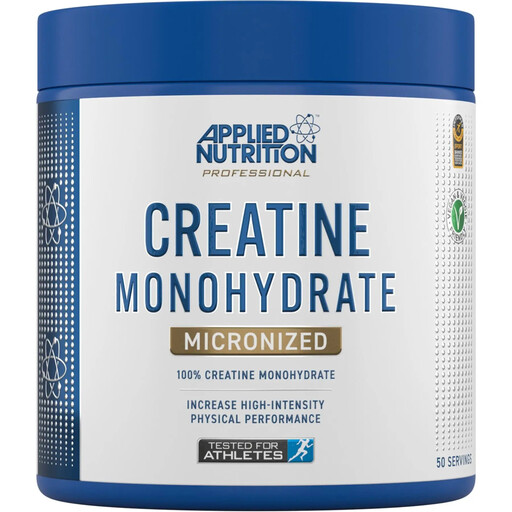
Why This Fits Their Persona: The single-ingredient, unflavoured format is straightforward for new gym-goers who want to mix a measured portion into water or a protein shake.
The label clearly identifies 100% micronised creatine monohydrate and 5g per serving, avoiding a multi-ingredient formula with unclear quantities.
Unflavoured; 5g creatine monohydrate per serving; suitable for mixing with other drinks.
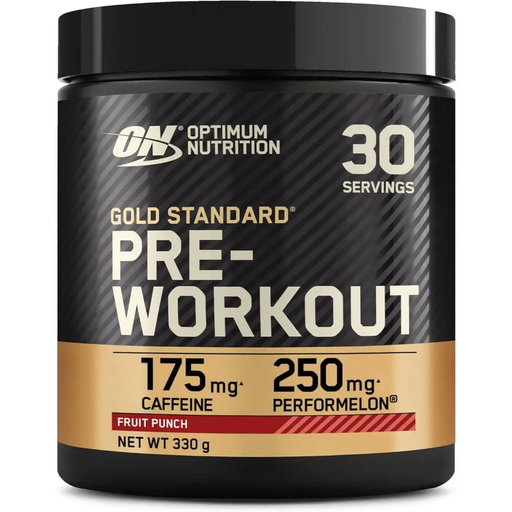
Why This Fits Their Persona: It suits adult gym users who want one clearly portioned pre-training drink containing caffeine and several named performance ingredients.
The serving panel states the caffeine and creatine quantities, so shoppers can account for stimulant intake rather than guessing from the product name.
175mg caffeine per serving; 3.4g creatine monohydrate; mixes with 350ml of water.
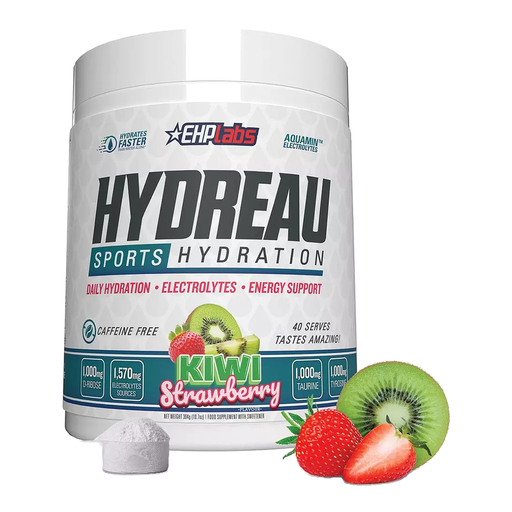
Why This Fits Their Persona: A practical option for active adults who want a low-calorie drink for gym sessions, outdoor activity or busy working days.
Its nutrition panel lists the main electrolyte quantities and calories, making it easier to compare with sugary sports drinks.
15 calories per serving; 200mg sodium; 80mg magnesium; 40 servings listed.
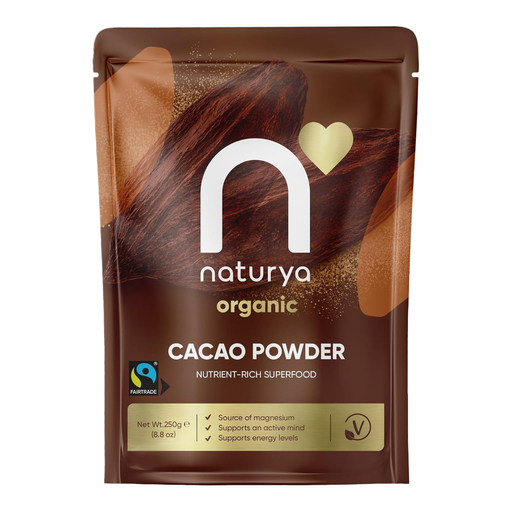
Why This Fits Their Persona: This food-style powder works for shoppers seeking a vegan, gluten-free ingredient for porridge, smoothies, baking or hot drinks.
It lists 100% organic cacao powder as the ingredient, with no added sugar or artificial fillers stated in the supplied product information.
100% organic cacao; vegan-friendly; 75mg magnesium per 15g serving.
We have compiled a complete, real-time list of products that fully satisfy these strict selection criteria and UK safety regulations.
They can offer a lower cost per serving, particularly in larger tubs, but only when the product is used at the stated serving size. Include the cost of water, milk and any extra ingredients when comparing meal replacement shakes or protein drinks.
Keep the container tightly closed in a cool, dry place away from sunlight and moisture. Use the label’s best-before information and avoid using a product if the seal is damaged or its appearance and smell have changed noticeably.
Some products can be combined, but check for overlapping ingredients, particularly caffeine, vitamins, stimulants and amino acids. Follow each product’s dosage instructions, and speak to a healthcare professional before use if you are pregnant, breastfeeding, taking medication or managing a medical condition. Powder supplements should complement, not replace, a varied and balanced diet.