What to check before buying
Start with the length of time away from a socket and the devices you expect to charge. Then check energy capacity separately from charging output, and confirm the safety and support information for the exact model.
| Priority |
What to check |
Your needs |
| Useful reserve capacity |
Compare stated mAh and rated Wh on the same basis where available. Separate stored energy from output power, and check your own device battery requirements rather than relying on a generic charging-count claim. |
I want enough reserve for my actual phone or small devices through a long day, without carrying more capacity than I will use. |
| Charging compatibility |
Check the USB-C PD voltage and current profiles, single-port maximum, total output and cable rating. Review multi-device output conditions separately from a headline single-port figure. |
My phone, tablet or small laptop needs a charging setup that matches its documented input requirements. |
| Safety and traceability |
Use a reputable retailer, retain the model and order details, and search the OPSS recall service using the exact model and any serial number. Check markings in the applicable UK market context. |
I want to be able to identify the product, follow recall instructions if needed and seek support for the exact unit I bought. |
Joybuy power-bank options
Joybuy product options for long days away from sockets, including compact phone-focused models, higher-capacity options and USB-C charging choices.
 No image available
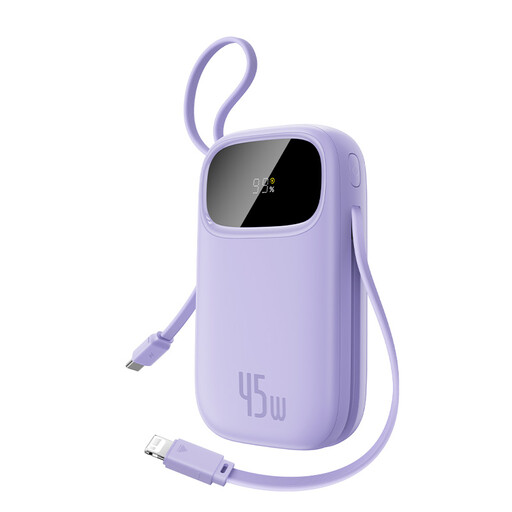
Baseus EnerFill FC31 Qpow 3 10000mAh 45W
A choice for carrying several connection types during a long day, with built-in USB-C and Lightning cables plus USB-A and USB-C charging options.
The listing states 36.5Wh and up to 45W from USB-C or the built-in USB-C cable when charging one device. With all listed outputs in use, total output is stated as 5V/3A; check that limit against your intended setup.
Joybuy
 No image available
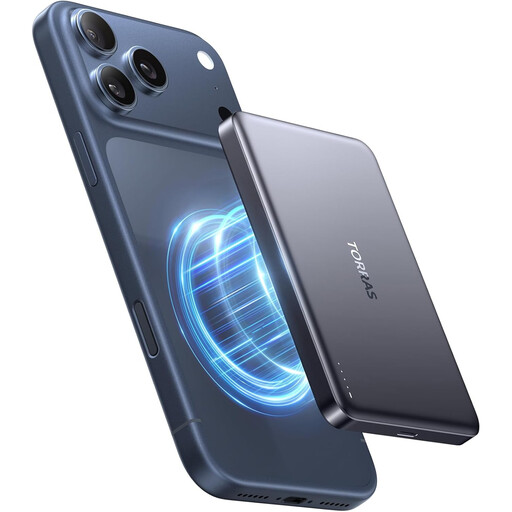
TORRAS MiniMag 10000mAh Magnetic Power Bank
A phone-focused option for commuters or events where bag space and weight matter, with magnetic charging and a wired USB-C fallback.
The listing states 182g, 0.5-inch thickness, up to 22.5W wired output and 15W wireless output, with a separate 7.5W wireless limit for iPhone. Magnetic charging requires a MagSafe-compatible phone or magnetic case.
Joybuy
 No image available
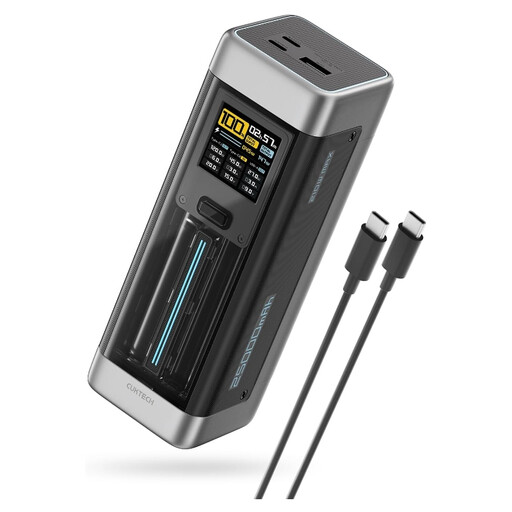
CUKTECH NO.20 25000mAh 140W PD3.1 Power Bank
A higher-capacity option for longer periods away from mains power when phones, tablets or compatible laptops may need charging.
The title and description state 25,000mAh, PD3.1, up to 140W USB-C output, two USB-C ports and one USB-A port. Compare your laptop input requirement and cable rating, and confirm output sharing before relying on the headline maximum.
Joybuy
 No image available
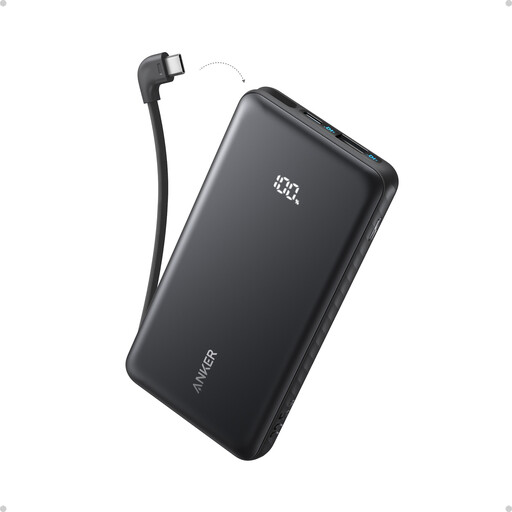
Anker Zolo 10000mAh 22.5W Power Bank
A compact reserve for phone charging through a commute or workday, with a built-in USB-C cable to reduce cable clutter.
The listing states 10,000mAh, up to 22.5W output, 20W input, USB-A, USB-C and a built-in USB-C cable. It also states an option to charge a second device; check the combined output for simultaneous use.
Joybuy
 No image available
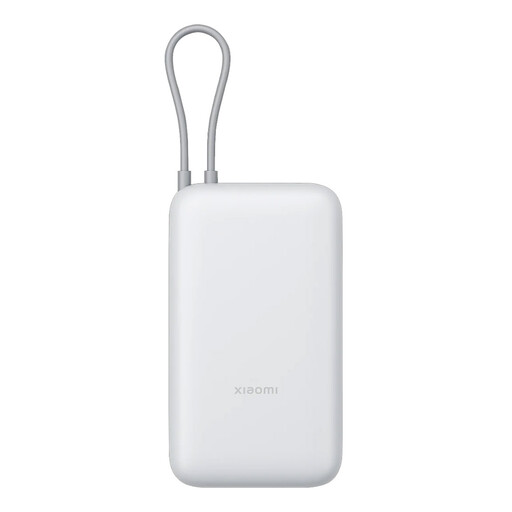
Xiaomi 20000mAh Power Bank with Integrated Cable
A larger reserve for compatible phones and smaller USB-C devices when you want to avoid carrying an additional charging cable.
The listing states 20,000mAh, an integrated USB-C cable, two-way charging and up to 22.5W output under stated conditions. The cable is described for Android USB-C devices and iPhone 15/16 series, so confirm compatibility for another device.
Joybuy
Frequently asked questions
How can I compare capacity without trusting phone-charge claims?
Start with the manufacturer-stated capacity and Wh figure where given, and compare like with like. Then compare output power and port limits separately: Electrical Safety First distinguishes capacity, which affects how often devices can be recharged, from output power, which affects charging speed. Treat phone-charge claims as model-specific only when the phone model and test conditions are stated.
Does a USB-C port guarantee fast USB Power Delivery charging?
No. USB-C is the connector, while USB Power Delivery is a power-negotiation standard. Check that the power bank lists compatible PD support or voltage and current profiles, then compare its single-port and total output limits with your device and cable. USB Implementers Forum guidance describes PD as flexible power delivery over a single cable.
What safety marking should I check in the United Kingdom?
For Great Britain, government guidance says CE marking continues to be recognised alongside or in place of UKCA in applicable regimes. In Northern Ireland, the relevant framework is CE, or CE together with UKNI where applicable. Use markings alongside seller traceability, instructions and official recall information rather than as the only check.
How should I check whether a power bank has been recalled?
Search the UK Office for Product Safety and Standards Product Safety Alerts, Reports and Recalls service using the exact brand, model and any serial-number range. Do not assume every product from a recalled brand is affected; official notices identify particular models and may specify production dates or serial ranges. If your unit matches a recall, stop using it and follow the notice.
Are pass-through charging and overnight charging safe assumptions?
Do not assume pass-through charging is supported simply because a power bank has multiple ports. Electrical Safety First says most portable battery packs do not support charging and discharging at the same time, and advises against charging battery packs overnight or while out of the house. Follow the instructions for the exact model.


