What matters when choosing?
Choose an immediate source of stored charge before considering daylight-dependent replenishment; assess radio reception and protection for connected equipment as separate needs.
| Concern |
What to check |
Who this matters to |
| Stored charge for several devices |
Compare stated capacity with the devices you plan to prioritise. Check connector types, simultaneous outputs and each port’s output, not capacity alone. |
If several phones and a tablet need charging, I want a reserve and connections that suit those devices; around 31% of consumers would put stored charge first. |
| Replenishing charge |
Check the panel’s USB output and compatibility with the intended device or power bank. Plan where it can receive usable daylight. |
During a longer cut, I want to replenish a compatible reserve when daylight permits; roughly 25% of consumers would make replenishment their primary concern. |
| Information without broadband |
Look for battery or hand-crank operation and the broadcast bands you intend to use. Keep chosen station frequencies on paper. |
If home internet is down, I need another way to receive updates where a broadcast signal is available; about 25% of consumers would prioritise offline information. |
| Battery safety and upkeep |
Choose a traceable retailer, follow the exact product’s charging and storage instructions, and inspect the power bank for damage. |
For a reserve kept ready at home, I want to store and charge it safely and be reachable about a recall; around 19% of consumers would put safe ownership first. |
Joybuy product choices
These solar panels offer daylight-dependent supplementary charging, while the power banks provide stored charge for compatible devices. Compare each connection with your household’s devices; a radio and a surge protector address different parts of the power-cut plan.
 No image available
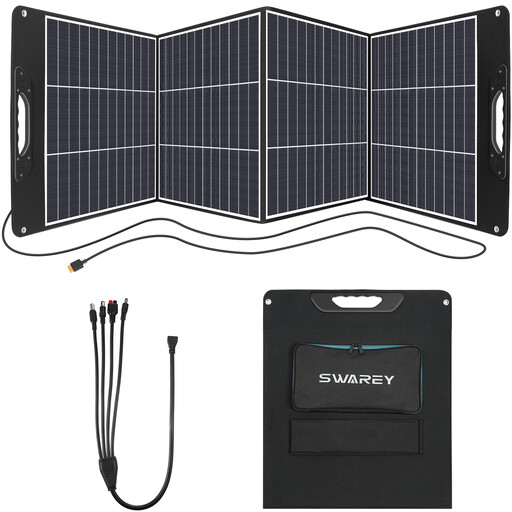
SWAREY 200 W Foldable Solar Panel with 18 W USB-C PD
A daylight-dependent charging option if its connections suit the device or power station you intend to use.
The stated panel rating is 200 W; the product name also specifies 18 W USB-C PD and XT60, Anderson and DC5521 adapters. Check the connections against your equipment. The panel rating does not establish the output you will get in particular weather.
View on Joybuy
 No image available
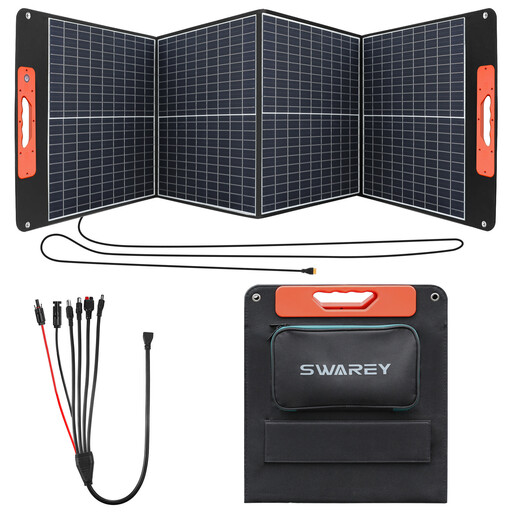
SWAREY 100 W Foldable Solar Panel with 60 W USB-C PD
A supplementary charging option for a compatible device or power reserve when the panel can be positioned in usable daylight.
The product name states a 100 W panel rating and 60 W USB-C PD charging. Confirm the outputs and adapters needed by your equipment; neither rating guarantees a particular charging rate in changing sunlight.
View on Joybuy
 No image available
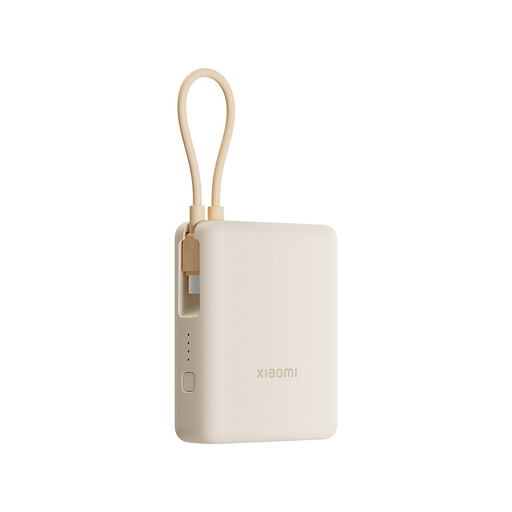
Xiaomi 10,000 mAh Power Bank with Integrated Cable, Tan
A stored-charge option for compatible USB devices if the integrated cable and available connections suit your household’s priorities.
The stated capacity is 10,000 mAh. Confirm the exact output, recharge input and charging protocols for this variant before relying on a particular charging speed.
View on Joybuy
 No image available
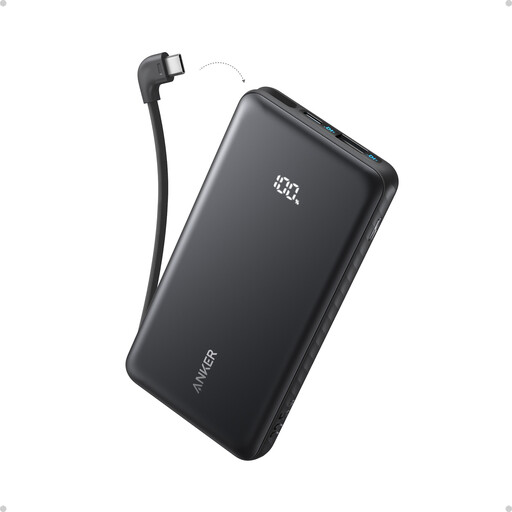
Anker Zolo 10,000 mAh 22.5 W Power Bank with Built-in USB-C Cable
The built-in cable may suit a household that wants to keep one compatible phone-charging connection with its power reserve.
The product name states 10,000 mAh capacity and 22.5 W output. If you plan to charge more than one device, confirm the per-port and shared output; also check how the bank itself recharges.
View on Joybuy
 No image available
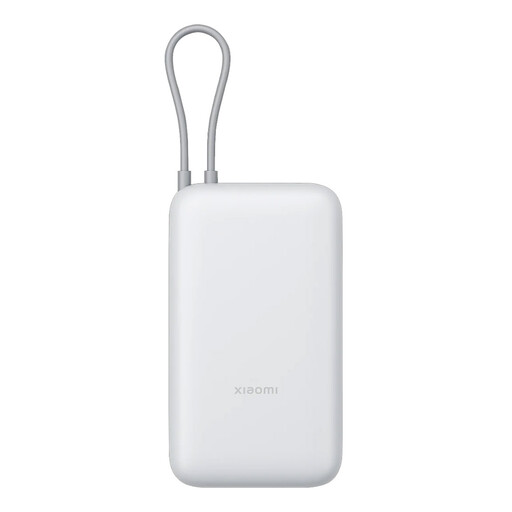
Xiaomi 20,000 mAh Power Bank with Integrated Cable, GL Light Gray
Consider this stored-charge option when stated capacity matters to your household’s phone or tablet plan.
The product name states 20,000 mAh capacity and an integrated cable. Confirm the available ports, simultaneous-output capability and the bank’s own recharge requirements before planning to share it across devices.
View on Joybuy
Frequently asked questions
Will broadband, a digital landline or a mobile phone work during a power cut?
Do not rely on all three remaining available. The UK Government’s Prepare guidance says home internet will not work without power and a mobile phone might stop working if the local mast is affected; Ofcom says a digital landline needs battery backup to work without mains electricity. Keep key numbers on paper and consider an independently powered radio for receiving broadcasts where reception is available.
How do I choose power-bank capacity for phones and tablets?
Start with the devices you need to keep usable, then compare stated capacity, compatible ports and cables, and the output each device requires. Electrical Safety First explains that capacity affects available recharges and output power affects charging speed; a larger capacity alone does not establish suitable charging for every device.
Can a solar charger replace a charged power bank?
Not as the immediate reserve for a household power cut. A solar charger needs usable daylight, suitable positioning and a compatible charging connection; use it to replenish a power bank or small device when those conditions are met.
How should I keep a power bank ready safely?
Follow the manufacturer’s charging and storage instructions and inspect the unit before use. Electrical Safety First advises keeping power banks away from heat, liquids and damage, charging them uncovered in a ventilated place, and avoiding overnight or unattended charging.
Will a surge protector keep devices running when the power goes off?
No. National Grid Electricity Distribution recommends surge protectors for sensitive or valuable connected equipment because sudden surges can occur around a power cut. A surge protector does not store energy, recharge a phone or keep broadband running while mains power is absent.


