For a short household power cut, prioritise a battery or wind-up torch with spare batteries, a battery or wind-up radio, and a charged power bank with the right cable, in line with UK Government Prepare guidance. Add a UPS only for a defined, compatible non-medical load after checking its watt capacity, runtime and outlets. A charged device cannot guarantee calls or internet access if communications services are also disrupted.
Who needs which backup?
Households needing basic lighting
If moving around a dark home is the immediate concern, keep a dedicated torch where household members can find it. UK Government Prepare advises a battery or wind-up torch and spare batteries, and says torches are safer than candles.
Households preserving information and phone battery
A battery or wind-up radio offers a way to receive broadcasts where reception is available; a power bank can provide limited charging for a compatible device. UK Government Prepare warns that mobile, landline and broadband connections can all be unavailable in serious disruptions.
Home-office users with a defined non-medical load
If you need time to save work or shut down compatible equipment, size a UPS for the devices you intend to connect. Eaton and CyberPower describe this as backup for specific connected equipment, not whole-home power.
What matters when choosing?
For a short or localised household cut, secure light and a route to broadcast information before deciding whether device charging or a specific piece of equipment also needs backup.
| Concern | Buying checks | Who this matters to |
|---|
| Safe lighting |
Choose battery or wind-up operation. For a replaceable-battery torch, check the cell type and keep compatible spares. |
If I need to move through a dark home without using candles or draining my phone, a torch comes first; about 36% of consumers put safe lighting first. |
| Broadcast information |
Check battery or wind-up power and reception for the stations you intend to use. Keep useful frequencies on paper. |
When home internet is down, I want another way to hear updates where broadcasts are receivable; independent information is the main concern for about 29% of consumers. |
| Limited device charging |
Match the output port, cable and charging requirements to your device. Compare output watts and, where stated, watt-hours rather than mAh alone. |
I want to preserve enough battery for a compatible phone or other USB device while sockets are unavailable; about 21% of consumers place limited charging first. |
| Controlled shutdown |
For a non-medical load, check total connected watts, runtime at that load and compatible voltage and outlets. |
If work equipment loses power abruptly, I need time to save work or shut it down; for about 14% of consumers, protecting a defined non-medical load is the primary concern. |
Mistakes to avoid
-
Assuming a charged phone means communications will work
A power bank supplies energy to a compatible device, not to a mobile mast or broadband provider. UK Government Prepare warns that mobile, landline and broadband connections can all be unavailable in serious circumstances.
Keep important numbers and useful radio frequencies on paper. Treat a battery or wind-up radio as a separate route to possible broadcast updates, not as a two-way communications device.
-
Comparing power banks by mAh alone
Anker explains that the printed mAh figure describes charge capacity, not the usable energy delivered to a device. Completed charges also depend on the device and charging conditions.
Check the required connector, output power and charging compatibility; use watt-hours where available when assessing stored energy.
-
Choosing a UPS by VA alone
A UPS must support the connected load in watts, and runtime changes with that load. CyberPower publishes both watt capacity and load-specific runtime for its models; neither a VA figure nor a half-load runtime establishes how long your own setup will run.
List the non-medical devices you will connect, total their watts, then check the exact UPS model’s output capacity, runtime at that load, voltage and outlets. Do not treat it as whole-home backup or a medical-equipment plan.
-
Charging or keeping a damaged battery product
Battery condition and charging habits matter even when a power bank is being stored for occasional use. Humberside Fire and Rescue Service advises against charging lithium-ion batteries while asleep or away from home.
Follow the manufacturer’s charging and storage instructions, stop using a damaged battery and take unwanted batteries to an appropriate collection route rather than putting them in household waste.
Brands relevant to these options
Roberts Radio
Its portable radio range includes battery-powered models and the multi-powered SolarDAB 99.
- Roberts Radio lists DAB/DAB+/FM reception, a rechargeable battery, a solar panel and a hand crank for the SolarDAB 99.
- Check reception where you live; the listed power methods do not establish how long the radio will operate in every outage.
Anker
Its UK power-bank range includes USB-C models with different stated capacities and outputs.
- The range offers specifications to compare against a device’s charging requirements.
- Confirm ports, cable and charging compatibility for the exact model; Anker notes that printed mAh does not equal usable delivered energy.
CyberPower
Its home and office UPS range includes models with published load and runtime specifications.
- CyberPower provides watt-capacity and load-specific runtime information useful for assessing a defined non-medical load.
- Check the exact model’s outlets and runtime at your intended load; one model’s figures cannot stand in for the range.
Eaton
Eaton positions residential UPS units for equipment such as home-office devices and routers.
- Its stated applications help identify equipment for which short backup power might be useful.
- The exact UPS still needs sufficient watt capacity, suitable outlets and runtime for the connected devices.
APC by Schneider Electric
Schneider Electric positions its Back-UPS and Smart-UPS ranges primarily for IT and connected equipment.
- The ranges are relevant when assessing backup for a defined, compatible non-medical load.
- Schneider Electric states that APC Back-UPS and Smart-UPS products are not medical-grade devices.
Joybuy power banks for limited device charging
These power banks address limited charging for compatible USB devices during a cut. Charge one before it is needed, and check your device’s cable and charging requirements; neither model can keep a disrupted mobile or broadband service running.
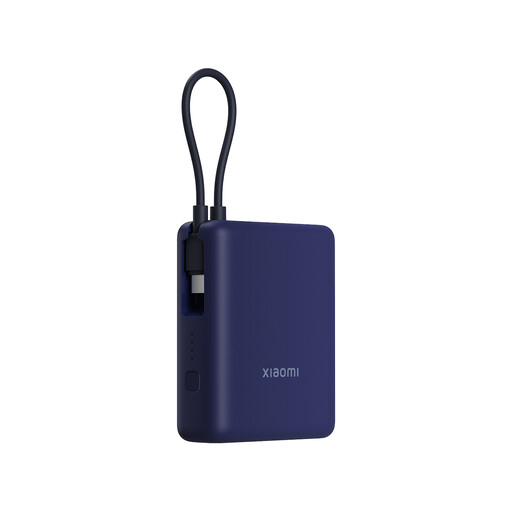 Image unavailable
Xiaomi 33W Power Bank 10000mAh with Integrated Cable, Ice Blue
Consider this for limited charging when a compatible USB device cannot use a mains socket. The listed variant has a 10000mAh capacity, 33W in its name and an integrated cable; check that its connector and charging output suit your device.
The stated capacity does not tell you how many full charges your particular device will receive.
View on Joybuy
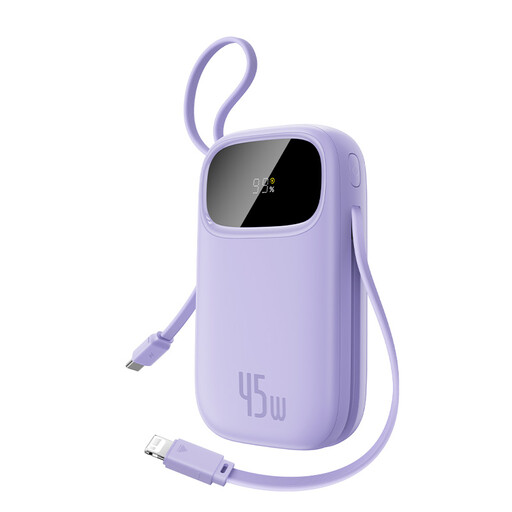 Image unavailable
Baseus EnerFill FC31 Qpow 3 Power Bank 10000mAh 45W with USB-C and iP Cables, Nebula Purple
Consider this for limited charging if its built-in USB-C and iP cables match the devices you plan to use. The named variant has a digital display and is listed as 10000mAh and 45W.
Before relying on the 45W figure, check the output conditions for your device, particularly if you intend to charge more than one device at once.
View on Joybuy
Questions about power-cut kit
Will a power bank keep calls and broadband working?
No. It can charge a compatible device, but UK Government Prepare warns that mobile, landline and broadband connections can all be unavailable in serious disruptions. Keep important numbers on paper and consider a battery or wind-up radio for possible broadcast updates.
Should I buy a UPS instead of a torch and radio?
Not for general household lighting or broadcast information. A UPS is for a defined, compatible non-medical electronic load and must be selected for its watts, runtime and outlets; UK Government Prepare advises keeping a torch, spare batteries and a battery or wind-up radio for household power cuts.
Can I use a consumer UPS for medical equipment or telecare?
Do not treat an ordinary consumer UPS as a medical-equipment or telecare continuity plan. Schneider Electric states that APC Back-UPS and Smart-UPS products are not medical-grade. Discuss continuity arrangements with the relevant equipment, care or service provider.
How should I charge and store a power bank?
Follow the manufacturer’s instructions and check the battery for damage before use. Humberside Fire and Rescue Service advises against charging lithium-ion batteries while asleep or away from home; take unwanted batteries to an appropriate collection route.
Where can an eligible vulnerable customer ask for power-cut support?
Ask your energy supplier or network operator about its Priority Services Register. Ofgem says eligible customers can receive extra help through the register, including priority support in an emergency where possible; a consumer backup product is not a replacement for arranging support with the relevant provider.


