What matters when choosing?
For a household power-cut kit, settle the phone-charging need first, then decide how you would receive updates and use a torch without drawing on the phone battery. Keep the equipment charged and check that its cables, chargers and replacement batteries fit.
| Concern |
What to check |
Who this matters to |
| Phone power |
Compare stated capacity with the devices you need to charge; check the output connection and your phone cable. |
If keeping an essential phone usable is my priority, I need stored power that can actually reach it. Around 36% of consumers put phone continuity first. |
| Offline updates |
Check the radio’s power method, locally useful reception and the exact spare battery type, if needed. |
When a charged phone might still lack a network connection, I want another way to hear updates; around 29% of consumers prioritise offline information. |
| Stored-kit readiness |
Read the exact model’s storage instructions and plan how you will inspect and recharge it. |
If my kit will spend long periods in a cupboard, I need to be able to keep it ready. Readiness is the primary concern for around 21% of consumers. |
| Recharging and fit |
Check the bank’s charging input and whether your charger, cable and phone connections are compatible. |
Between interruptions, I need to replenish the bank using the equipment I have. Around 14% of consumers put that charging fit first. |
Joybuy power bank options
These portable power banks address the phone-charging part of a household power-cut kit. Choose by your phone’s charging connection and the stated capacity; arrange a radio, torch or spare batteries separately if your kit needs them.
 No image available
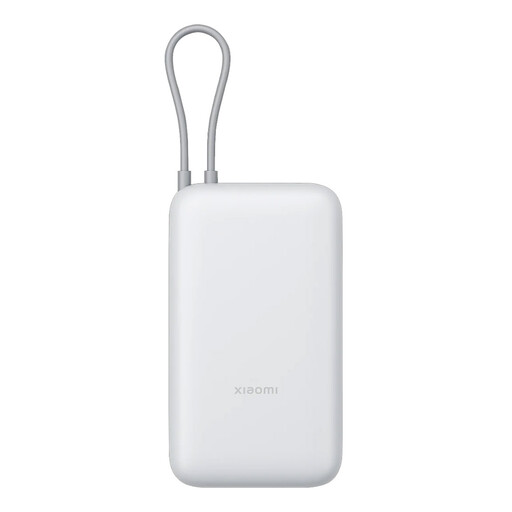
Xiaomi 20000mAh Power Bank with Integrated Cable, GL Light Gray
Consider this for charging a phone from stored power during an outage. The named capacity is 20000mAh, and it has an integrated cable; check that cable against your phone and confirm how you will recharge the bank.
View on Joybuy
 No image available
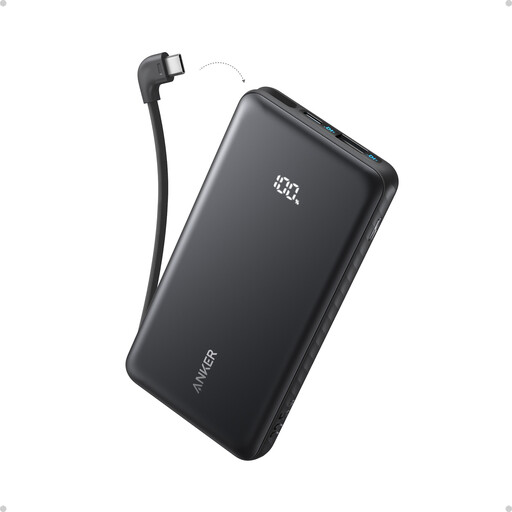
Anker Zolo 10,000mAh 22.5W Power Bank with Built-in USB-C Cable
This is an option if a built-in USB-C cable fits the phone you intend to keep charged. Its named specifications are 10,000mAh and 22.5W; check phone compatibility and the charger and cable you will use to refill the bank.
View on Joybuy
 No image available
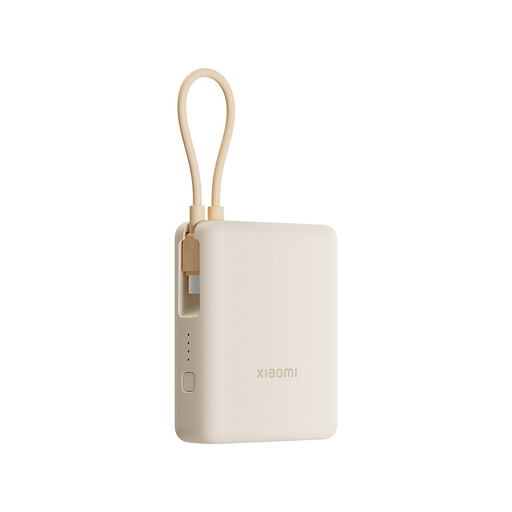
Xiaomi 33W 10000mAh Power Bank with Integrated Cable, Tan
Consider this if an integrated cable suits the phone-charging arrangement in your kit. The name specifies 10000mAh and 33W; confirm the cable connection, your phone’s charging requirements and the model’s storage instructions.
View on Joybuy
 No image available
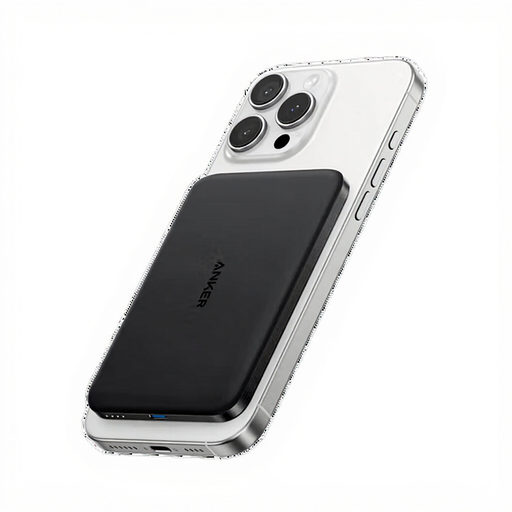
Anker Nano Magnetic Wireless 5,000mAh 15W Power Bank, Black
This magnetic wireless option is relevant only if the intended phone and case suit that charging method. Its named specifications are 5,000mAh and 15W; check the stated MagSafe-compatible case requirement of under 2.5mm for the intended results, and confirm how the bank itself is recharged.
View on Joybuy
Common questions
What should I buy first to charge a phone during a power cut?
Start with a power bank whose connection works with your phone, then consider how many devices you need to charge before the bank can be refilled. Electrical Safety First explains that capacity affects possible recharges, while output power affects charging speed. A radio and torch serve different needs rather than replacing the power bank.
How should I store a power bank in an emergency kit?
Follow the instructions for the exact model and check its charge periodically. Electrical Safety First advises keeping power banks away from heat and liquids and charging them uncovered in a ventilated place, not overnight or while out. Anker’s recommendation of about 60% charge and recharging every three months applies to its own long-term storage guidance, not to every power bank.
Is a radio useful if my phone is charged?
Yes, if you want a way to receive broadcasts when internet access or mobile signal is affected. The UK Government Prepare campaign recommends a battery or wind-up radio and spare batteries for power cuts; check reception and keep useful station details with the kit.
What should I do with an old or damaged power bank?
Take it to an appropriate battery or electrical-product collection point rather than putting it in household rubbish. UK government consumer guidance says batteries and electrical products should display the crossed-out wheelie-bin symbol to indicate that they should not be discarded with household waste.
Which power-cut reporting number should I keep on paper?
The UK Government Prepare campaign lists 105 for England, Scotland and Wales, and 03457 643643 for Northern Ireland. Write the number relevant to your household on paper as well as saving it on your phone.


