Who needs which parts of a kit?
The right starting point depends on how your household normally makes contact and receives information.
Households relying on mobile phones
Keep a charged power bank, the correct cables and written key numbers together. Check the bank against the phones you need to charge, but allow for the possibility that mobile signal will be unavailable during a power cut, as UK government preparedness guidance notes.
Homes needing updates and light without a phone
A battery or wind-up radio provides another way to receive updates, while a dedicated torch leaves phone charge for communication. Check how each item is powered and keep compatible spare batteries where the equipment accepts them.
Landline- or telecare-dependent households
If a landline, care alarm or other device connected to the telephone line is essential, ask the communications provider about the service and equipment’s backup arrangements. Ofcom also advises telling the provider before a digital-landline change if there is no mobile phone or insufficient mobile signal at home to call emergency services. A retail power bank does not replace that conversation.
What should you check before buying?
Start with any essential communication service, then check charging, updates and lighting as separate needs. For battery-powered items, include a plan to keep them ready between outages.
| Priority |
What to check |
Your needs |
| Provider backup |
Tell your provider about a landline-connected alarm or care device, or inadequate mobile signal. Ask what backup applies to your service and whether connected equipment will work with it. |
I depend on a landline or connected alarm for essential contact. I need the provider’s arrangements checked before treating a household kit as backup. |
| Phone charging |
Compare the power bank’s stated capacity with the phones and charging sessions you have in mind. Check each device’s charging requirements against the bank’s output, ports and cables; Electrical Safety First distinguishes capacity from output power. |
Several people may need to keep essential phones charged. I want to know that the bank and cables fit those phones, without assuming charging will restore mobile service. |
| Offline updates |
Check which radio services you can receive locally and how the radio is powered. If it uses replaceable cells, confirm their size; if it has alternative charging methods, check the exact model’s instructions. |
If broadband or mobile service is disrupted, I want a way to hear updates without using my phone. UK government preparedness guidance recommends keeping a battery or wind-up radio. |
| Dedicated light |
Choose a torch you can find in the dark. Check whether it needs compatible spare cells or a charged internal battery, and store its power source with the kit. |
I want light without running down a phone that may be needed for calls or messages. |
| Battery compatibility |
Match spare-cell size and type to the radio or torch instructions. For rechargeable cells, check how they will be charged before an outage; do not transfer a torch’s battery choice to safety-critical equipment. |
I need spare batteries that fit my actual equipment, rather than cells chosen solely by pack size or stated capacity. |
| Storage and upkeep |
Follow each product’s storage and charging instructions, inspect it periodically, and protect batteries from damage, water and extreme temperatures. London Fire Brigade identifies these as battery-safety concerns. |
My kit may sit unused for months, so I need a routine that makes it easy to check its condition and charge before I depend on it. |
Which brands offer relevant equipment?
These brand examples illustrate different parts of a kit; a feature on one named product should not be assumed across a brand’s range.
Anker
Anker offers power banks and publishes guidance on maintaining them during extended non-use.
- Anker Support recommends keeping an unused power bank at about 60% charge and recharging it every three months.
- That is Anker’s guidance, not a universal interval. Follow the instructions for the model you own and check its ports and output against your devices.
Belkin
Belkin’s UK power-bank range includes models with different stated capacities and outputs for phone and higher-output device charging.
- Belkin lists examples including a 10,000 mAh, 30W model and a 25,000 mAh, 140W model, showing why the exact model matters.
- A USB-C connection alone does not establish that a particular device or laptop will charge as needed; check its requirements and the bank’s specifications.
Roberts Radio
Roberts Radio offers portable radios relevant to the offline-updates part of a household kit.
- Roberts describes its SolarDAB 99 as having an internal rechargeable battery, solar panel and hand-crank charging.
- Those features belong to that model. Check local reception and the exact radio’s power requirements rather than assuming another Roberts radio works the same way.
Duracell
Duracell makes replaceable and rechargeable cells for equipment such as compatible torches and radios.
- Duracell says rechargeable round cells can generally be used where alkaline cells are used, unless the equipment manufacturer says otherwise.
- Check each device’s battery instructions. Duracell does not recommend standard rechargeables for smoke alarms.
Joybuy power banks and AA batteries
These options cover portable phone charging and rechargeable AA cells for equipment that accepts them. A power-cut kit also needs a suitable way to receive updates and a dedicated light; these products do not provide those functions by themselves.
 No image available
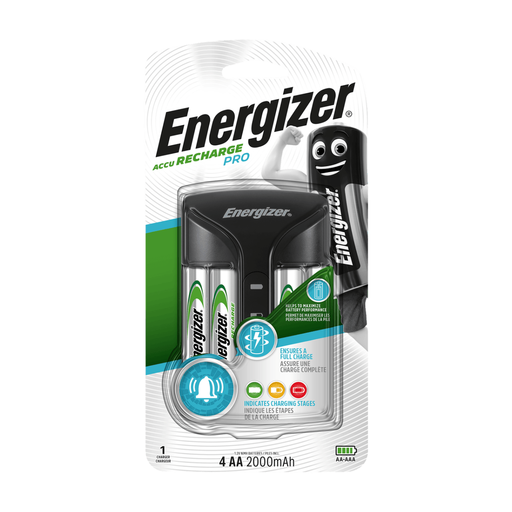
Energizer Pro Charger (UK) with 4 × AA 2000mAh batteries
A charger-and-cell option for a household with equipment that accepts rechargeable AA batteries. The bundle names four 2000mAh AA cells and a UK charger; check the radio or torch instructions for battery compatibility, and recharge the cells before an outage.
View on Joybuy
 No image available
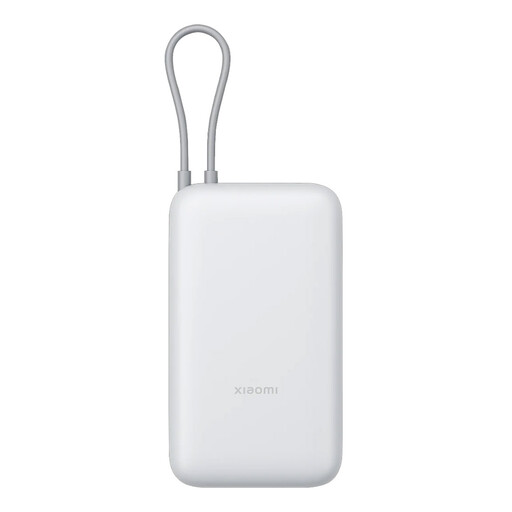
Xiaomi 20000mAh Power Bank with Integrated Cable, GL Light Gray
A portable-charging option for essential phones. The named capacity is 20000mAh and the cable is integrated; check its connector and output against each phone you expect to charge. Stored power will not ensure mobile signal during an outage.
View on Joybuy
 No image available
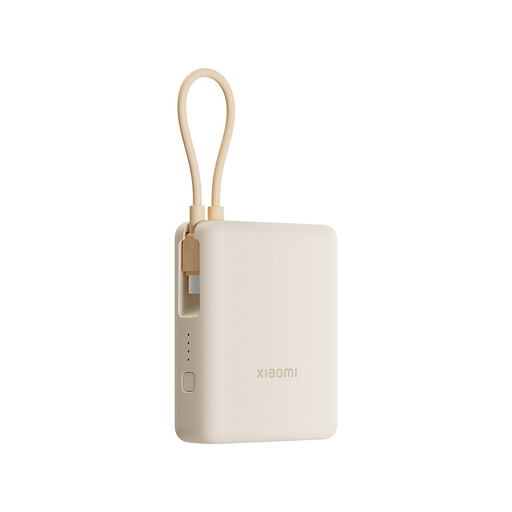
Xiaomi 33W 10000mAh Power Bank with Integrated Cable, Tan
Another portable-charging option, with a named 10000mAh capacity, integrated cable and 33W rating. Check the exact output and cable against your essential devices; the rating does not by itself establish how a particular phone will charge.
View on Joybuy
 No image available
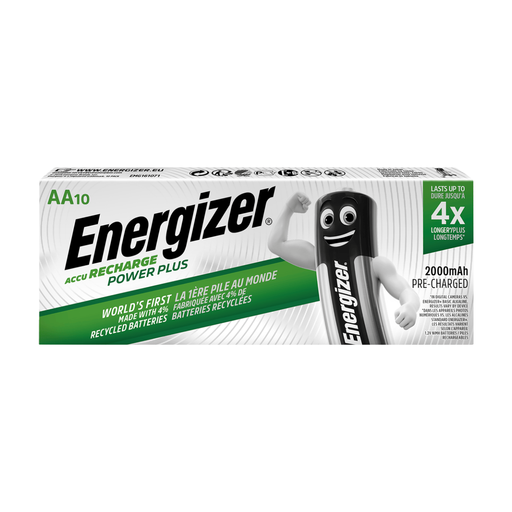
Energizer Recharge Power Plus AA 2000mAh, Pack of 10
A set of rechargeable AA cells for compatible household equipment. Check your radio or torch’s required battery type and how you will recharge the cells before an outage; do not assume a charger comes with this pack.
View on Joybuy
 No image available
Duracell Rechargeable AA 2500mAh, Pack of 4
Four rechargeable AA cells for a torch or radio whose instructions permit them. Confirm battery compatibility and a suitable way to recharge them before relying on the pack; follow separate instructions for safety-critical devices.
View on Joybuy
Power-cut kit questions
Will a power bank keep us connected throughout a power cut?
No: it can charge compatible devices, but it cannot keep the mobile network or home broadband working. UK government preparedness guidance warns that internet and possibly mobile signal may be lost, so keep written key numbers and a battery or wind-up radio as separate measures.
Who should speak to a communications provider first?
Speak to the provider before relying on retail backup if someone uses telecare, a personal alarm or another device connected to the telephone line. Ofcom also advises telling the provider before a digital-landline change if you have no mobile phone or insufficient signal at home to call emergency services. Ask what backup applies to your service and equipment.
How do I compare power-bank capacity and output?
Start with the devices and charging sessions you need to cover, then check the exact bank’s capacity, output, ports and cables against each device’s requirements. Electrical Safety First explains that capacity affects potential recharges before the bank needs recharging, whereas output power affects charging speed; a USB-C connector alone does not settle device compatibility.
How should I maintain a kit between outages?
Inspect and recharge its batteries according to each product’s instructions, and keep them away from damage, water and extreme temperatures. Anker Support recommends about 60% charge and recharging every three months for an Anker power bank in extended non-use; use your own model’s instructions rather than treating that interval as a rule for every product.
Can rechargeable AA batteries go in any torch or radio?
Check the torch or radio manufacturer’s required battery size and type first. Duracell says its rechargeable round cells can generally be used where alkaline cells are used unless the equipment manufacturer says otherwise; that advice should not be carried over to smoke alarms or other safety-critical equipment without following their own instructions.


